
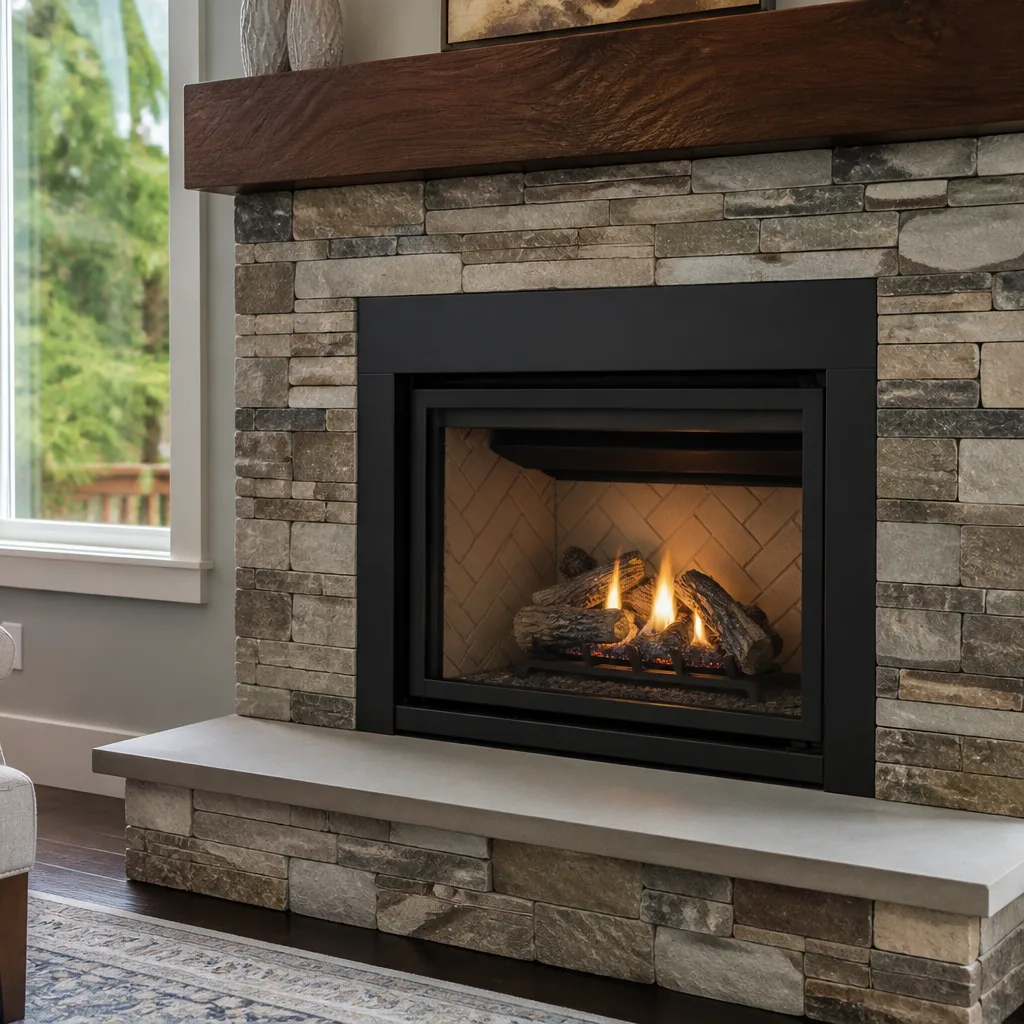
 Gas fireplace service
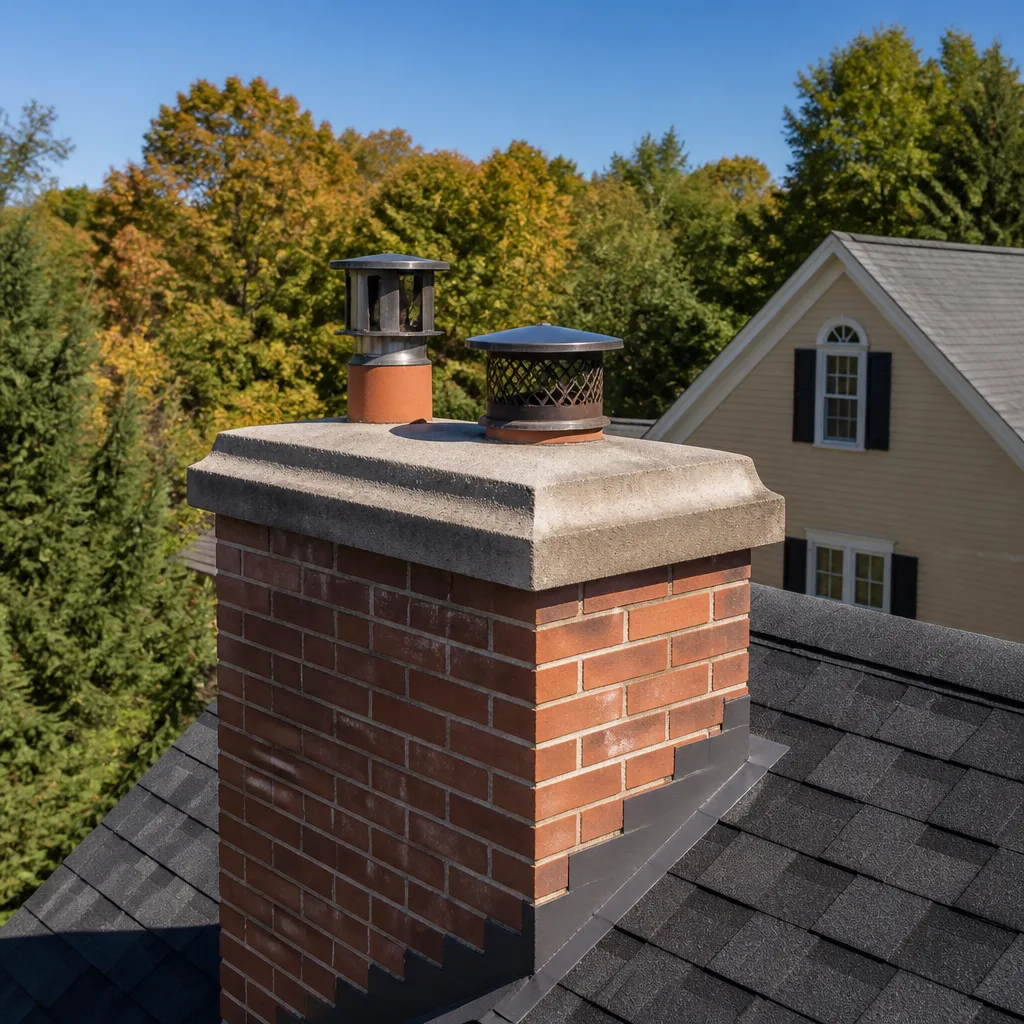 Sweep & inspection
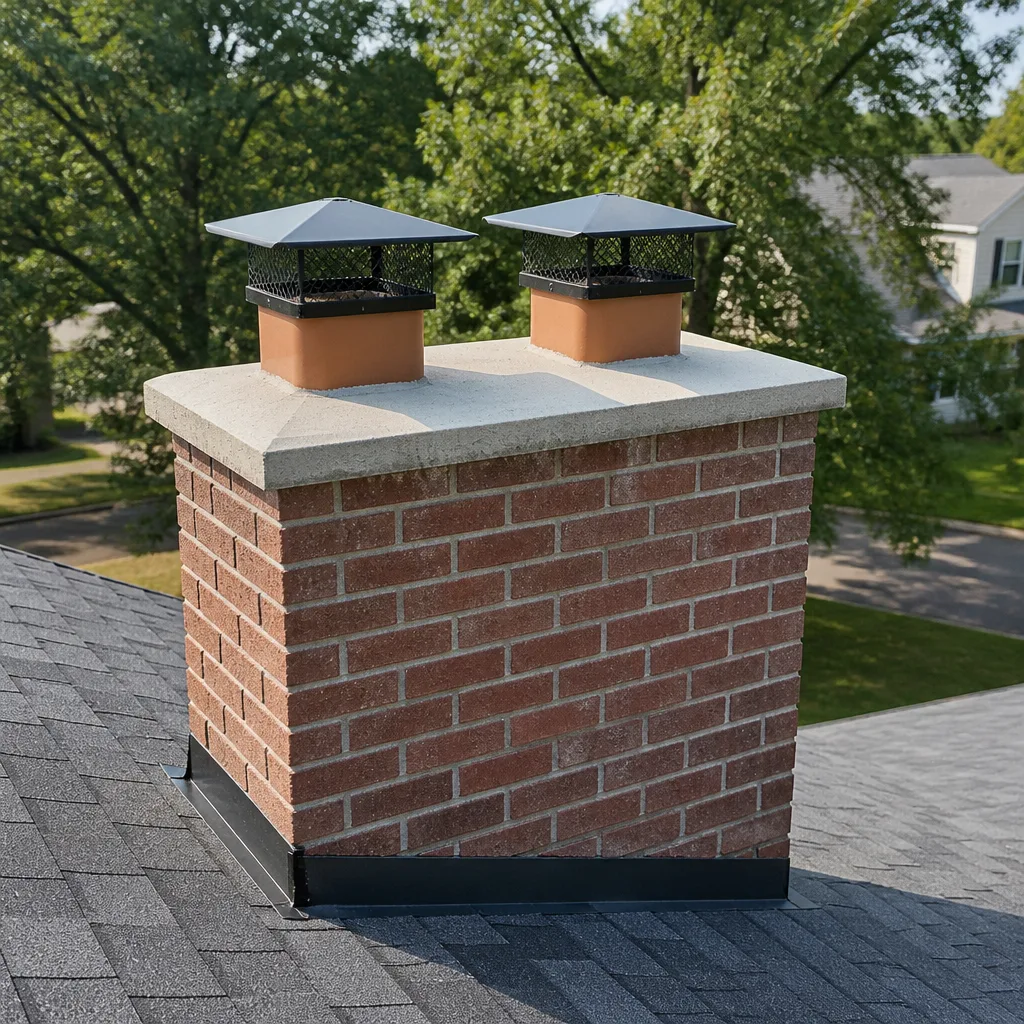 Caps & crowns
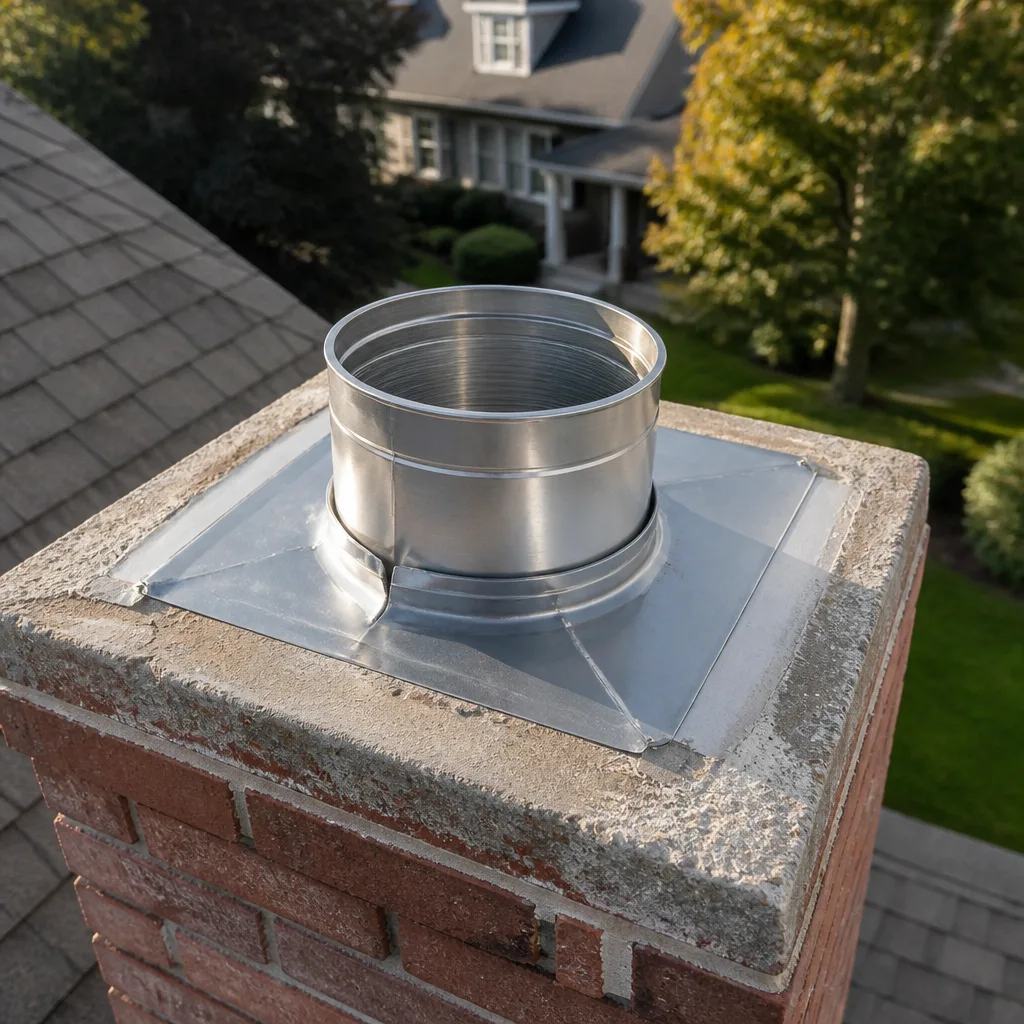 Flue relining
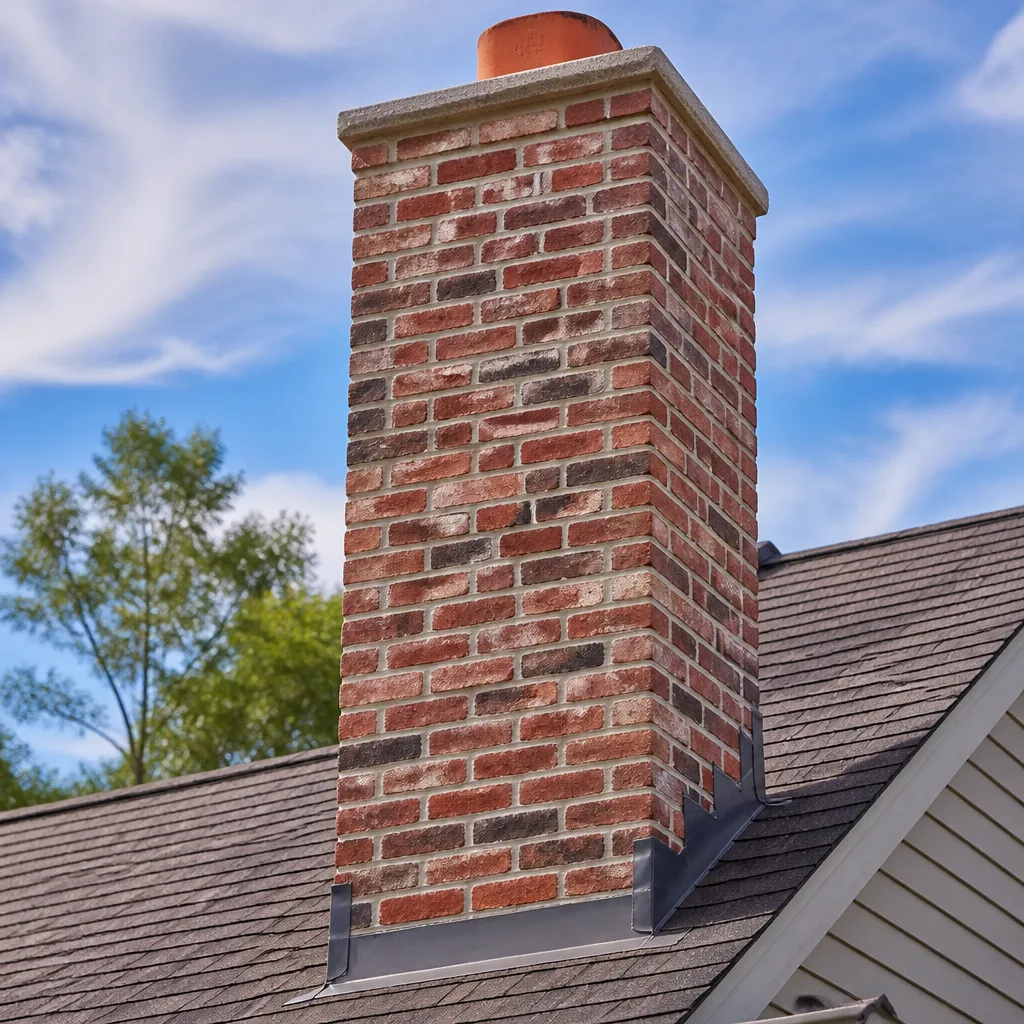 Masonry repair
Level 1 sweep and inspection to the NFPA 211 annual standard - flue, crown, cap, and flashing checked and photographed
Chimney sweep logs do not sweep chimneys. They loosen some creosote - which then falls where a brush and vacuum still have to collect it.
Why East Flatbush Homeowners Choose HeatShield Chimney Cleaning
We provide independent HeatShield chimney cleaning and firebox resurfacing service in East Flatbush, NY. What sets our HeatShield work apart is diagnosis first: our technicians have up to 12 years of experience and can tell you whether your firebox needs resurfacing at all or just a proper cleaning and repointing. One call to (844) 932-2112 covers sweep, inspection, firebox repair and creosote removal. Estimates are free.
HeatShield is a firebox and flue resurfacing system, and it only performs as well as the preparation underneath it. In East Flatbush’s 1900s-1930s brick semis and rowhouses, the firebox was usually built long before anyone thought about resurfacing, and the masonry behind the coating has had a century of thermal cycles, moisture and patch jobs. That history matters more than the product label.
We are an independent HeatShield service provider. Chimney Sweep East Flatbush is not affiliated with, authorized by or endorsed by HeatShield, and we don’t claim factory certification. Our knowledge comes from applying these products to real fireboxes and seeing how they fail when the substrate is wrong.
Why Trust Chimney Sweep East Flatbush for Your HeatShield Chimney Cleaning?
Our technicians know HeatShield refractory products up close: how the castable cement sets, how the mortar behaves at the smoke chamber transition, and how a coating that looks fine on the surface can be peeling off a layer of soot underneath. We’ve seen the same head-scratchers repeatedly, and that pattern recognition is what you’re really paying for.
We use parts that fit HeatShield equipment properly, with thermal compatibility as the deciding factor. A refractory system only works when every layer expands and contracts at the same rate as the one beside it. Mismatched material is one of the main reasons a resurfacing job fails early, and we won’t gamble on it to save a few dollars on material.
Our work is warranty-conscious. We follow cure schedules, we don’t coat over contamination, and we document what we did with photos, so there’s a record if a manufacturer ever asks. If a firebox is beyond resurfacing, we’ll say so and explain the repointing or rebuild alternative in plain language.
Styles & brands we work with
- Sweep & inspection
- Caps & crowns
- Flue relining
- Masonry repair
- Gas fireplace service
Common HeatShield Chimney Cleaning Problems We Fix in East Flatbush
HeatShield failures tend to look the same from job to job. Here’s what we find most often in East Flatbush’s older fireboxes, and why:
- Refractory cement delaminating from the firebox floor or walls. This usually traces to surface prep or moisture intrusion before the coating cured. If the firebox was damp, or the old material wasn’t fully removed, the new layer never bonded and now it’s lifting in sheets. A cold, windy Northeast winter with freeze-thaw cycles makes an early failure much more likely.
- Hairline cracks reappearing in the coating. When cracks come back after a resurfacing, the underlying firebox masonry is still moving or has spalling that was never addressed. The coating is doing its job; the structure beneath it isn’t.
- Mortar joints crumbling at the smoke chamber transition. Years of thermal cycling wear that narrow, awkward transition more than any other part of the system. HeatShield mortar laid there can loosen, and the result is a draft problem and debris falling into the firebox.
- Ceramic coating peeling over soot or creosote. A coating applied over contamination won’t bond. It fails as a film that masks deeper firebox deterioration, which is worse than no coating because it hides the problem from the next inspection.
- Grit shedding onto the hearth. A HeatShield-resurfaced firebox that starts dropping grit after a few seasons of wood burning usually means the original application was too thin or went over a damp firebox. The refractory layer breaks down under thermal cycling and the homeowner sees the evidence on the hearth.
Here’s how that kind of job usually goes. A homeowner calls because the firebox is shedding grit. A qualified local pro performs a Level 2 inspection, removes the loose HeatShield material, addresses the underlying moisture or spalling, and reapplies the refractory coating to the manufacturer’s thickness and cure schedule. Photos document the whole sequence.
HeatShield Parts & Our Repair-vs-Replace Approach
For HeatShield resurfacing and patching, we use genuine HeatShield refractory products so the thermal properties stay consistent through the repair. For dampers and caps, we’ll choose aftermarket stainless parts only when they meet or exceed the original specification.
The repair-or-replace decision comes down to the masonry, not the coating. If the firebox brick is structurally sound with minor cracks and spalling, a clean and repoint often outlasts a resurfacing. HeatShield isn’t a cure-all for structurally compromised masonry, and coating a failing firebox just postpones the real fix.
We inspect before we quote. A Level 2 inspection tells us what’s under the surface, and the written estimate sets the final price before any work starts. Call (844) 932-2112 when you’re ready to know what you’re dealing with.
Our HeatShield Service Process – Step by Step
- 1
Diagnosis. A Level 2 inspection with camera work. We check the firebox, smoke chamber and flue, then photograph what we find. You see the same evidence we do.
- 2
Repair or install. Loose HeatShield material comes out. Moisture and spalling get addressed first. Then we apply the refractory coating to the correct thickness and cure it on schedule.
- 3
Test. We verify draft and damper operation, check the smoke chamber transition, and confirm the coating bonded cleanly across the firebox.
- 4
Documentation. You get a photo record of the work, which is useful for warranty questions, insurance and future inspections.
See the difference
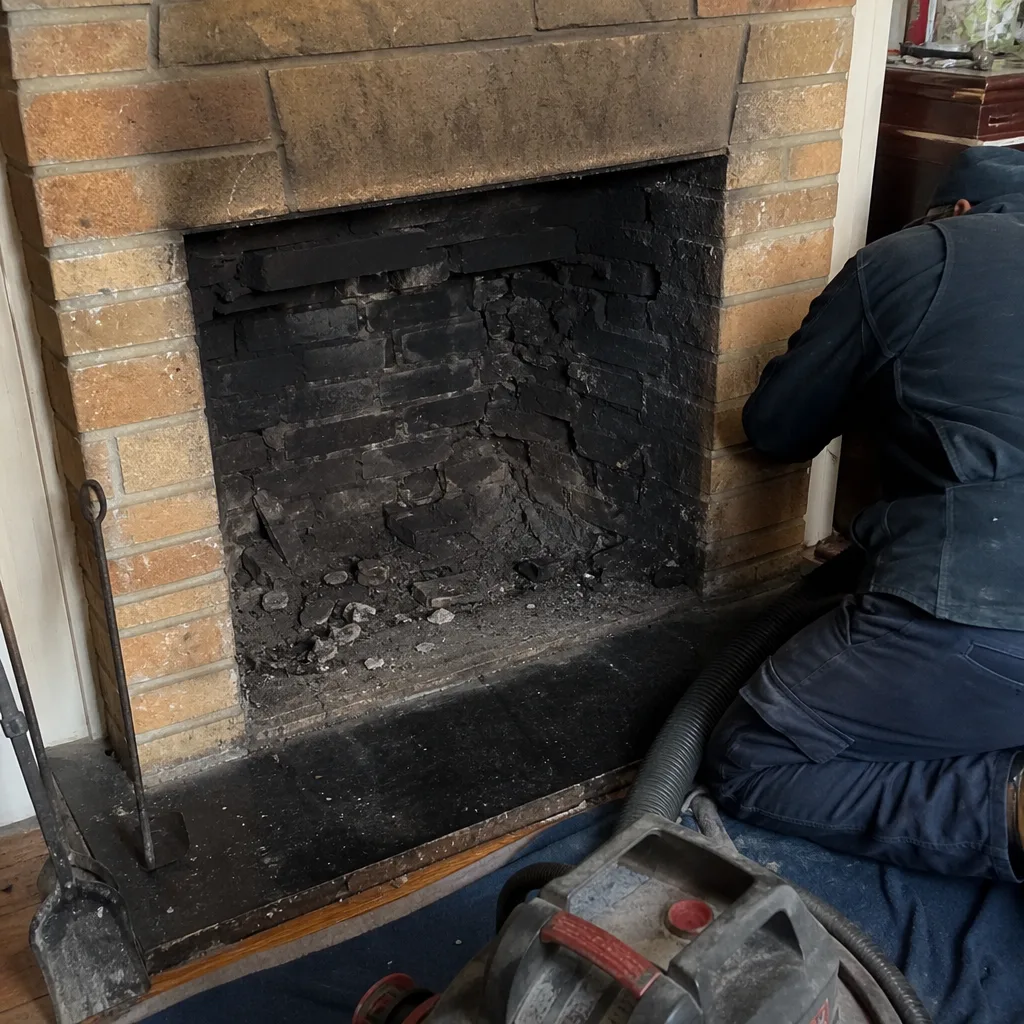 Before
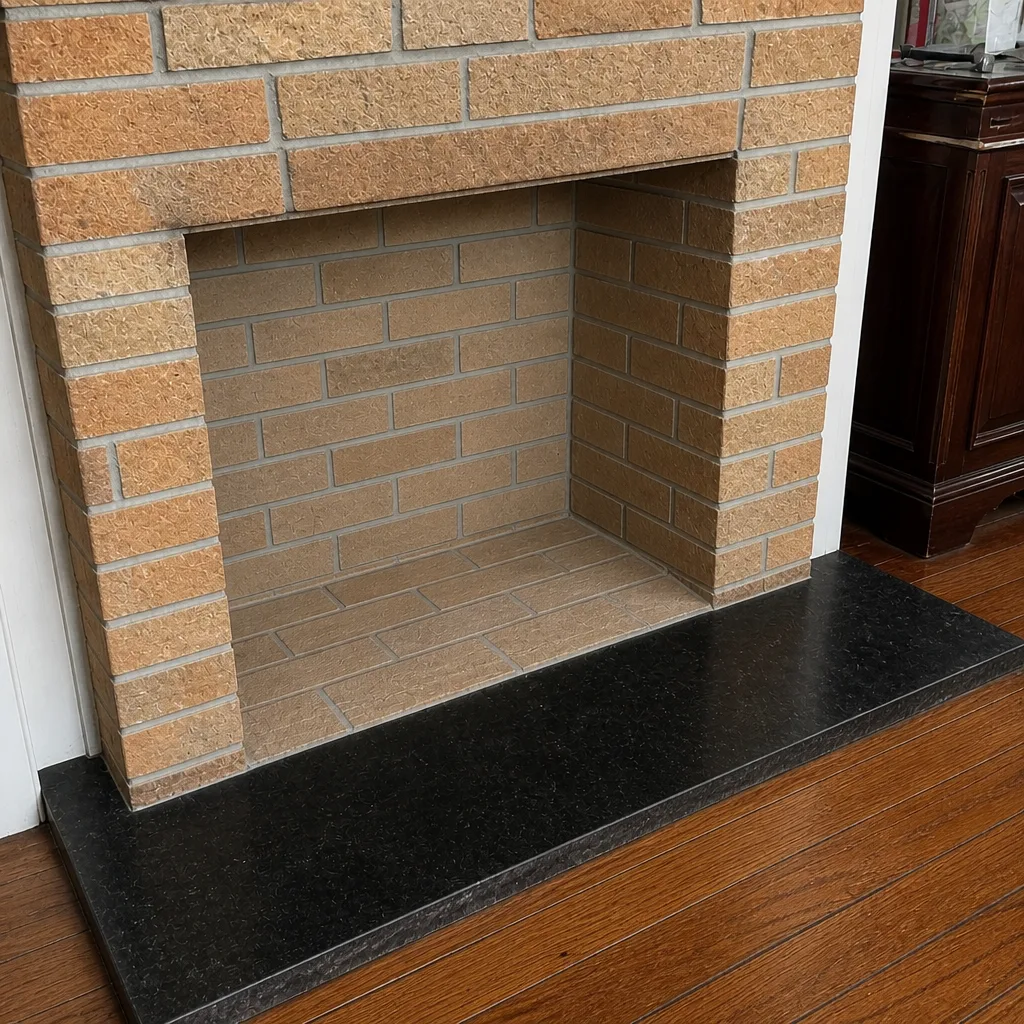 After
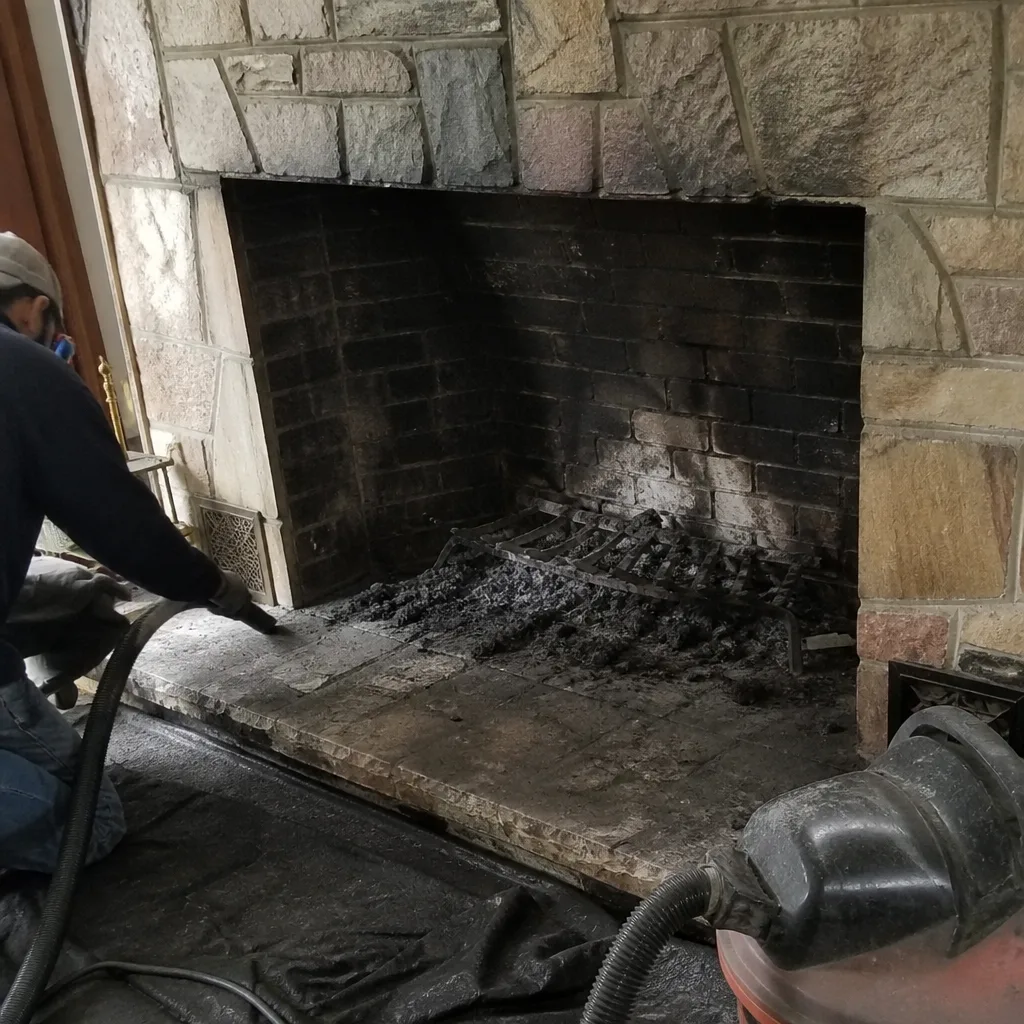 Before
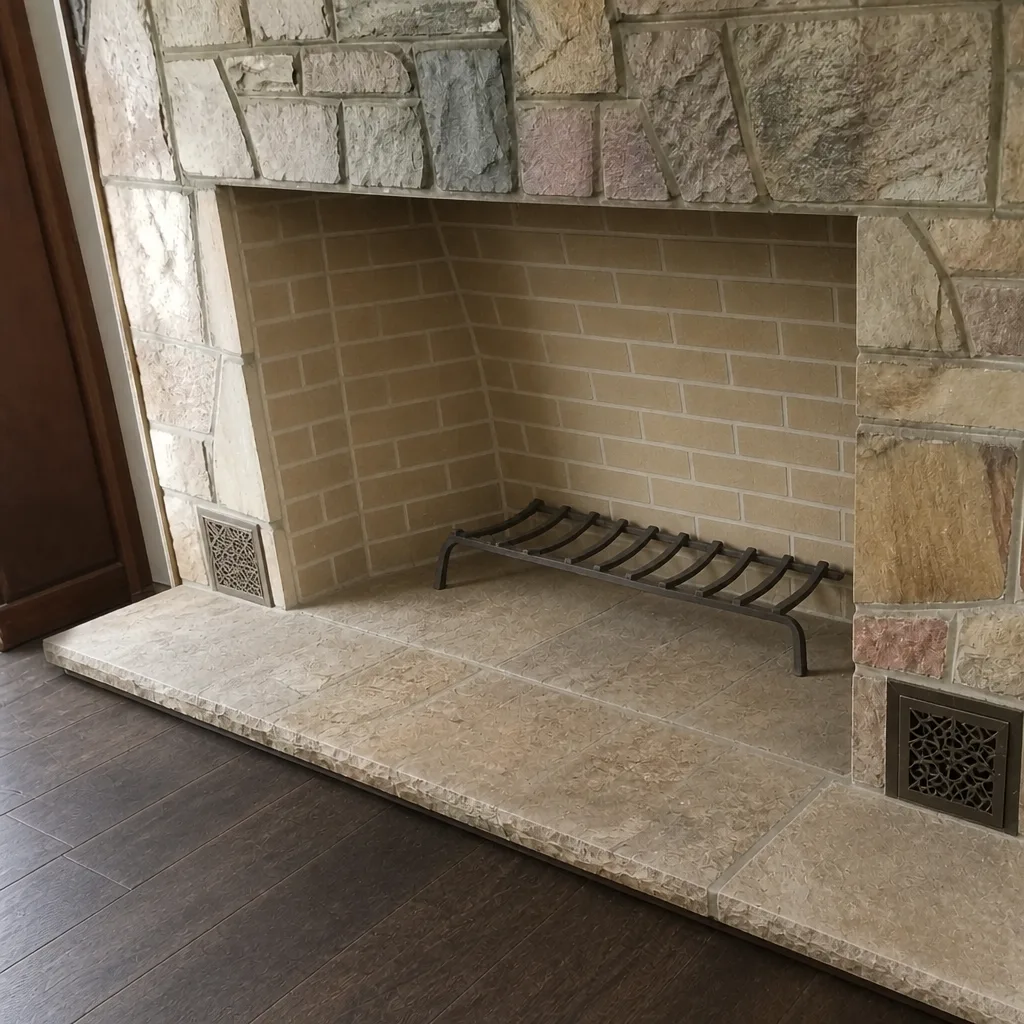 After
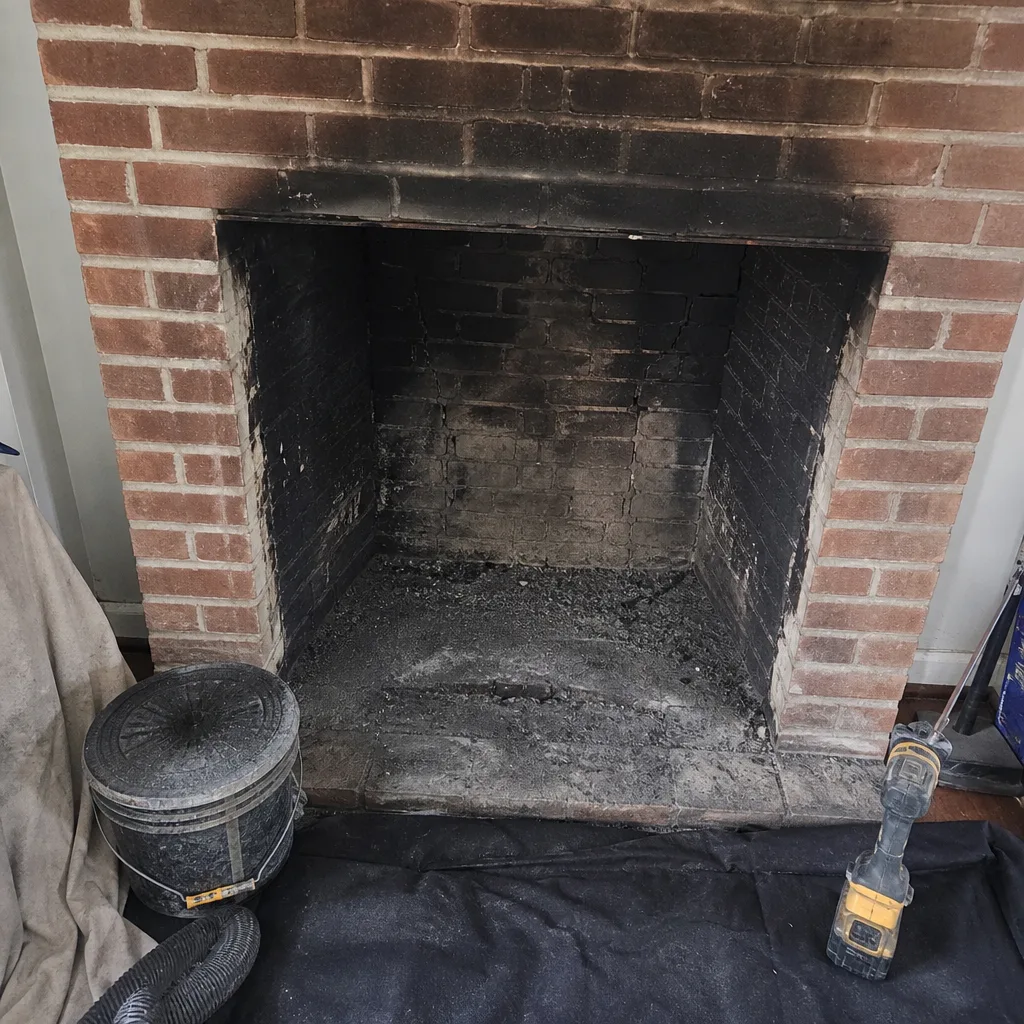 Before
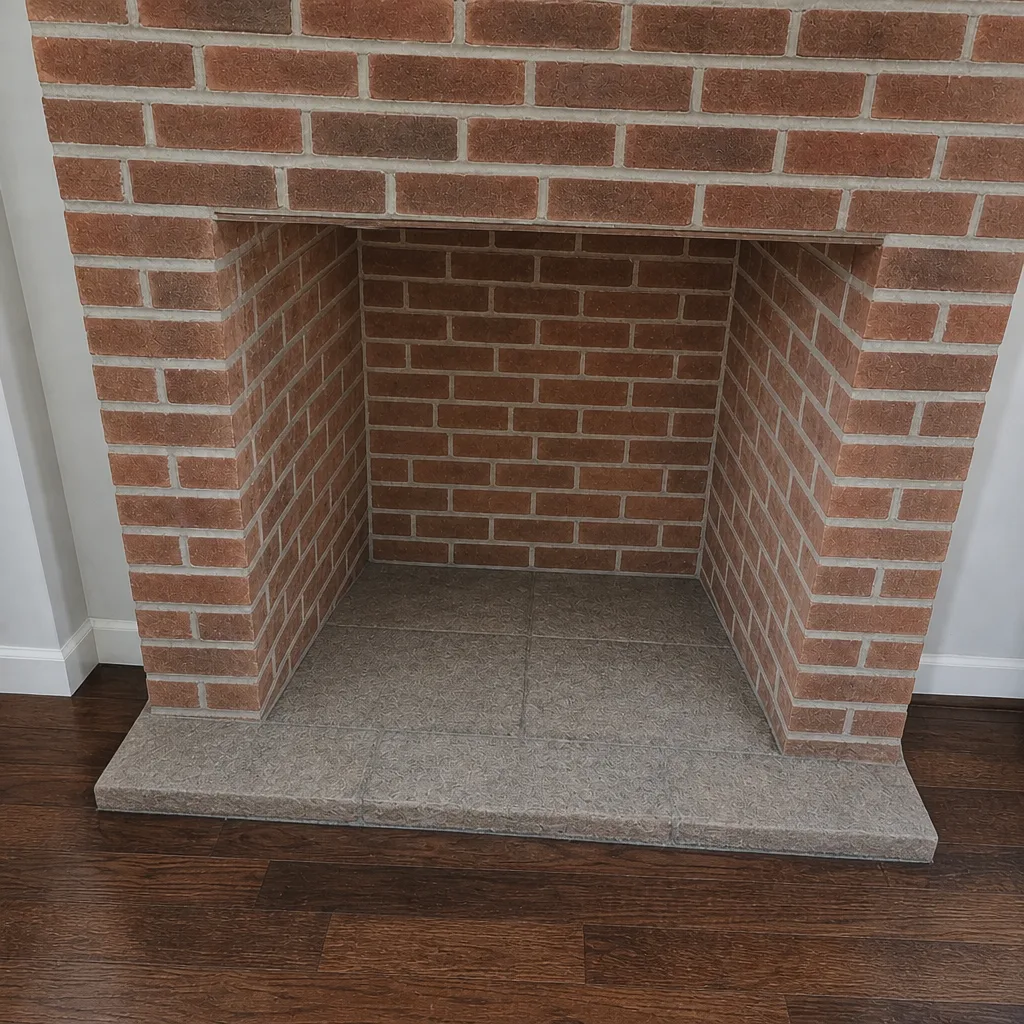 After
HeatShield Products We Service & Install in East Flatbush
We work with HeatShield’s firebox resurfacing system, built on castable refractory cement, and with its high-temperature refractory mortar for joints and transitions. We also apply the ceramic coating for firebox cracks and use the pre-mixed refractory patch for localized repairs. The products are meant to be used together, on properly prepared masonry, with the right cure time between steps. Every one of them depends on a clean, dry, sound surface to do its job. If the surface underneath won’t take the material, we’d rather tell you that than apply it anyway.
We Also Service These Brands
HeatShield is one tool in the kit, not the whole kit. We also service DuraFlex liner systems and Gelco caps, so a repair that starts in the firebox can be finished at the top of the chimney without a second contractor. One call covers sweep, inspection, cap, crown and repair.
FAQs – HeatShield Chimney Cleaning Service in East Flatbush
No. We are an independent HeatShield service provider, not affiliated with, authorized by or endorsed by the manufacturer. Our expertise comes from years of applying these products to real fireboxes, not from a factory badge. Call (844) 932-2112 for a free estimate.
Yes. We use genuine HeatShield refractory products for resurfacing and patching so the thermal properties stay compatible, and we’ll only choose aftermarket stainless dampers or caps when they meet or exceed the original specification.
Yes. A Level 2 inspection should come first, every time, because the coating’s success depends on what’s underneath it. We can’t safely recommend resurfacing until we’ve seen the smoke chamber, flue and firebox condition with a camera and documented what we found.
A properly applied HeatShield firebox coating can last years in a well-maintained wood-burning firebox. The variables are prep quality, moisture control and how the firebox is used. Coating applied over contamination or a damp firebox tends to fail in a few seasons.
No. HeatShield needs a clean, dry, sound substrate to bond. Coating over soot or creosote leaves a peeling film that hides deeper deterioration, which we won’t do. Creosote removal comes first, then we reassess.
It depends on how deep the spalling goes. Minor surface spalling on sound brick often responds well to resurfacing. Deep spalling that has compromised the brick itself usually calls for repointing or a rebuild instead, and we’ll tell you which case you’re in before any work begins. Call (844) 932-2112 to schedule a free estimate.
It shouldn’t, when it’s done correctly. A resurfacing that’s applied too thick at the firebox opening can interfere with the damper or change the smoke path, which is why we verify draft and damper operation after the work. Call (844) 932-2112 for an exact quote – estimates are free.
Proper service shouldn’t void a HeatShield warranty, but we can’t speak for the manufacturer. What we do is warranty-safe work: correct prep, correct thickness, correct cure schedule, photo documentation. If your warranty ever comes into question, that record is your evidence.
HeatShield chimney cleaning and firebox work is priced per job by written estimate, and the estimate is free. Cost depends on firebox condition, how much old coating has to come out, and whether repointing is needed first. Call (844) 932-2112 for an exact quote – estimates are free.
Book Your HeatShield Service in East Flatbush, NY
Whether your firebox needs a cleaning, a repoint or a full HeatShield resurfacing, we’ll tell you what we find and what it means before any work begins. One call covers sweep, inspection, firebox repair and creosote removal. Call (844) 932-2112. We answer 24/7. Fast dispatch from 7am to 7pm, Sunday through Friday. Estimates are free.
Written by the team at Chimney Sweep East Flatbush.