
Last updated November 22, 2026
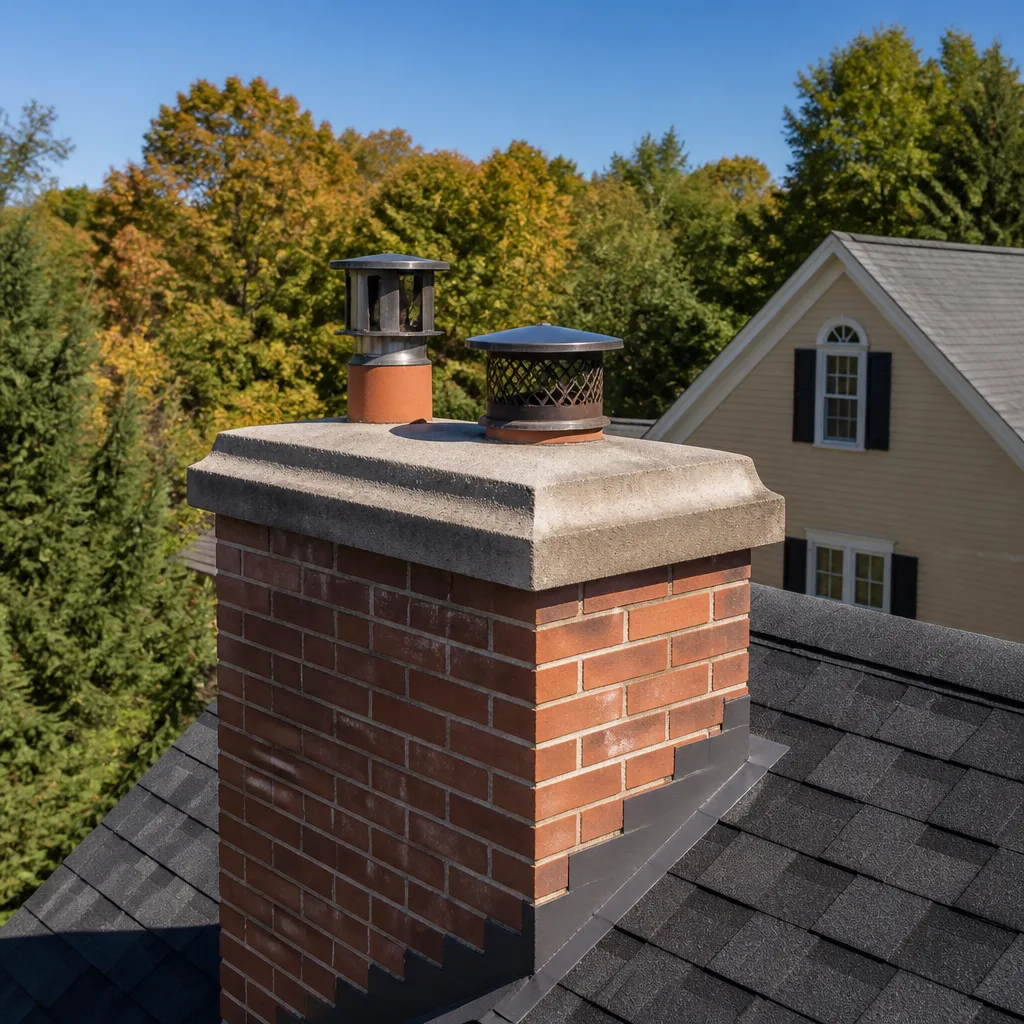 Sweep & inspection
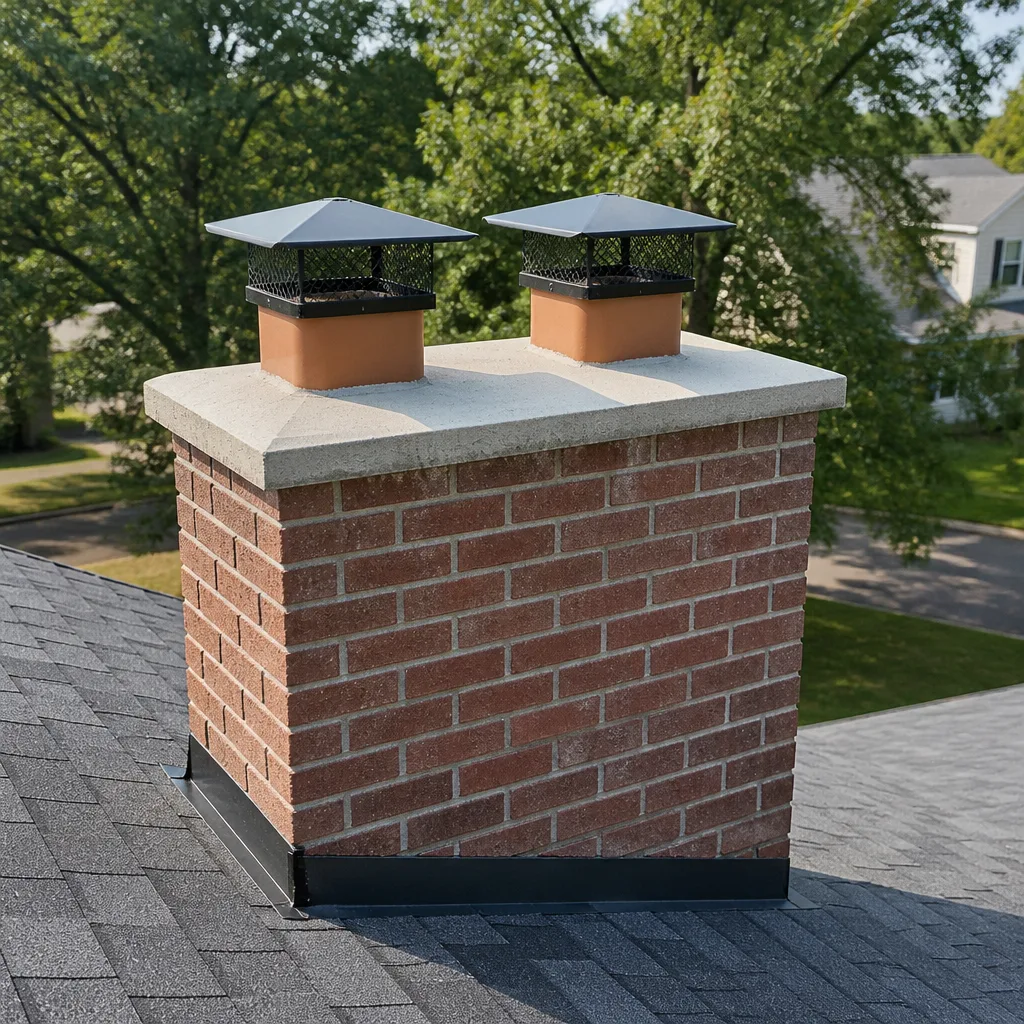 Caps & crowns
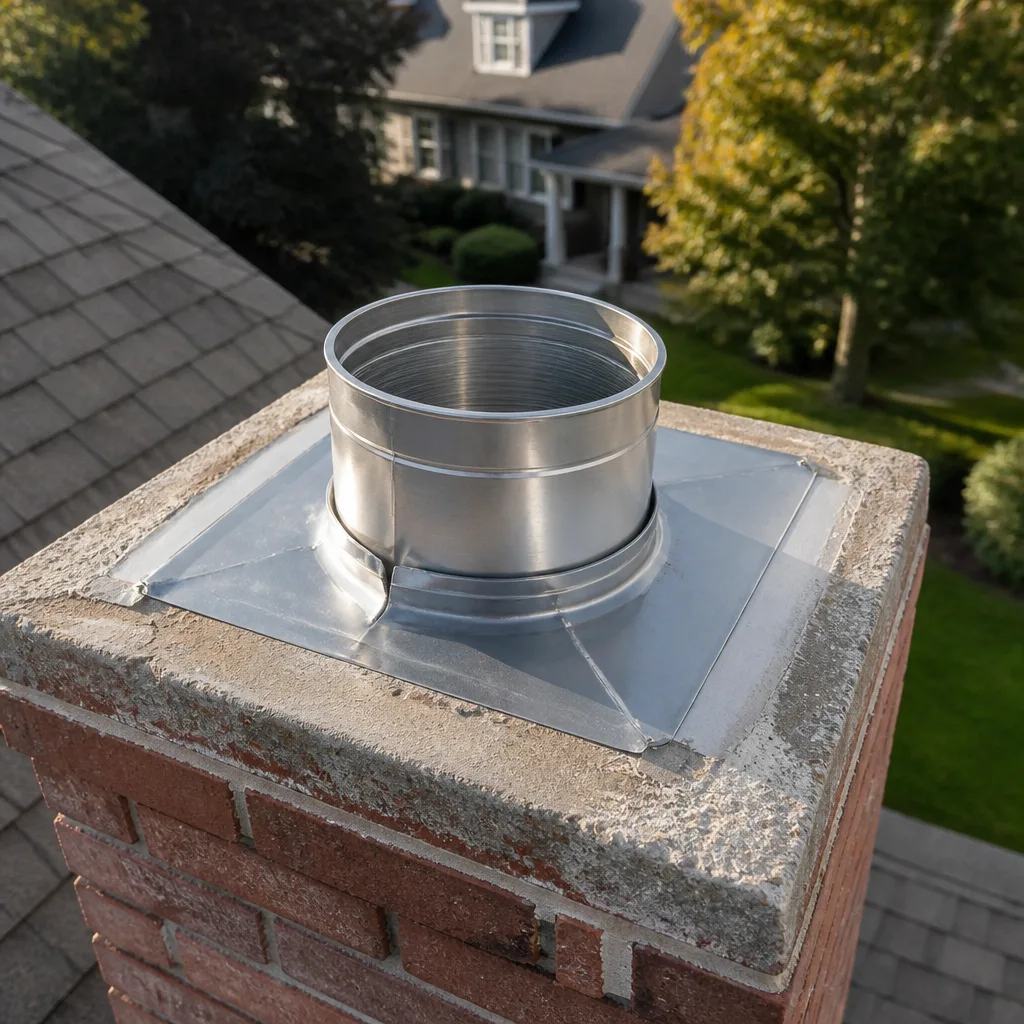 Flue relining
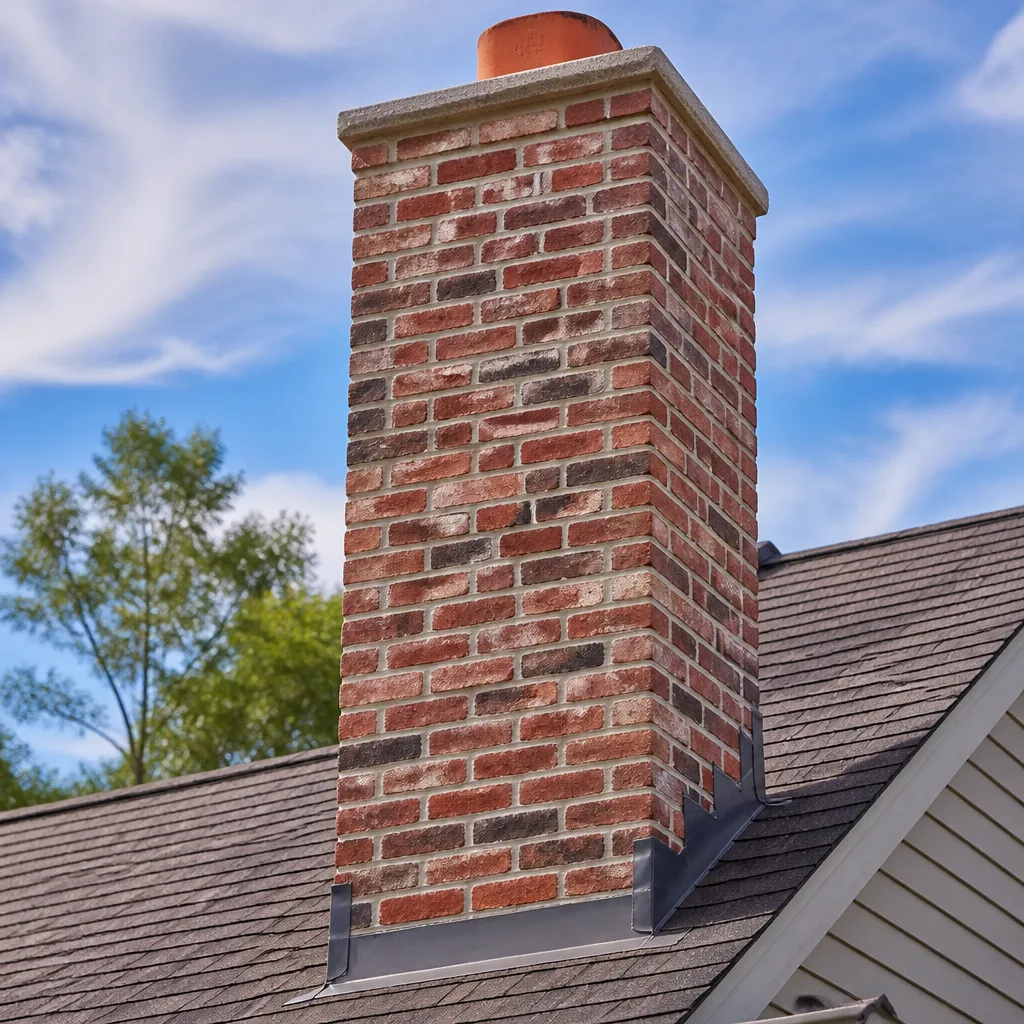 Masonry repair
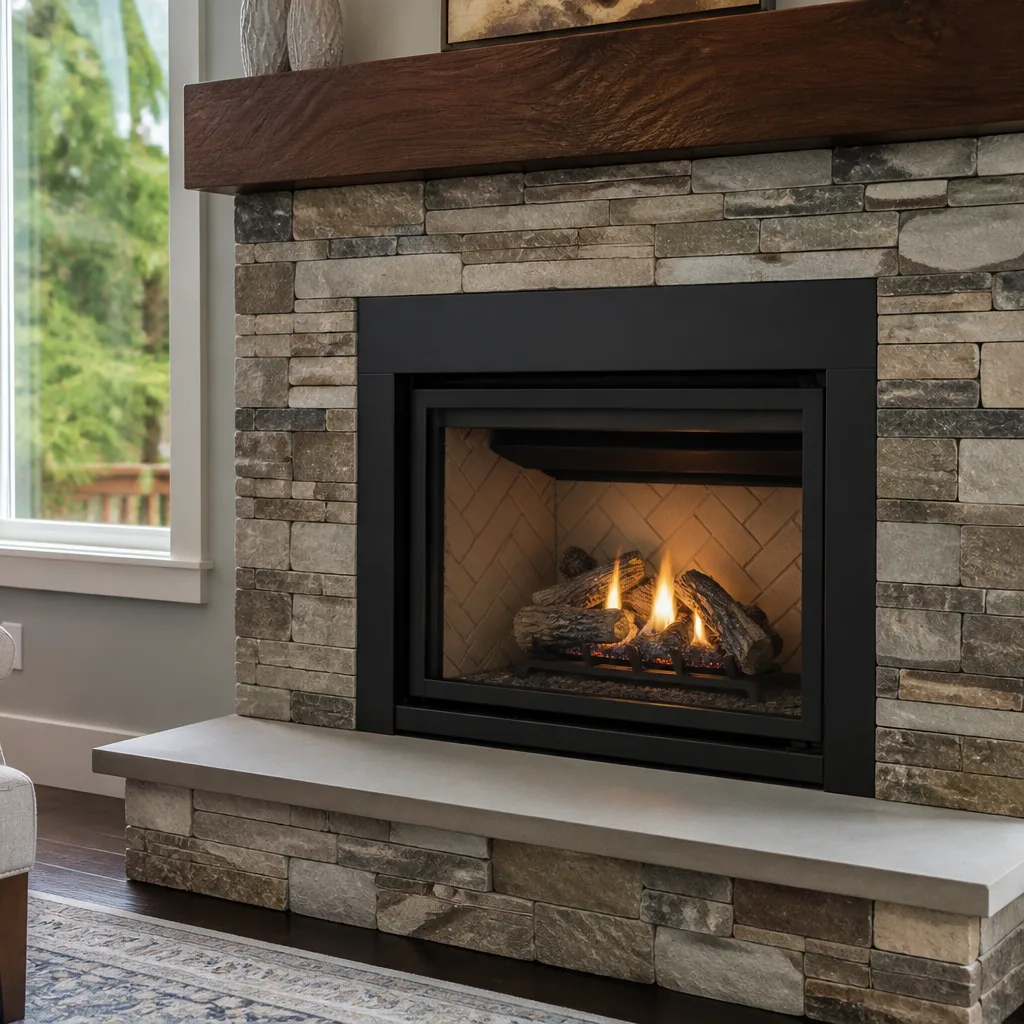 Gas fireplace service
Level 1 sweep and inspection to the NFPA 211 annual standard - flue, crown, cap, and flashing checked and photographed
Chimney sweep logs do not sweep chimneys. They loosen some creosote - which then falls where a brush and vacuum still have to collect it.
Chimney Cleaning Warning Signs: An East Flatbush Homeowner’s Reference Guide
Most East Flatbush homeowners picture a chimney problem as something obvious: a roaring fire in the flue, a thick column of smoke where none should be. The reality here is quieter. In the brick rowhouses that line our blocks, the first sign of trouble is often a faint smell on a windy afternoon, a ticking sound as the fire warms up, or a chalky white bloom on the outside brick that looks like nothing at all. These subtle cues get blamed on drafts, radiators, or old plaster more often than they get traced to a flue. This guide decodes the specific sounds, smells, stains, and draft behaviors that point to a chimney that needs attention, so you know what each one means and when it can wait. Our technicians have up to 12 years of experience reading these signals across East Flatbush.
Quick Answer
The main warning signs that a chimney needs cleaning or inspection are a sharp or acrid smell when the flue heats up, musty or rotten odors, sooty or discolored stains on the firebox or the breast wall, a fire that struggles to draw or smokes back into the room, scratching or ticking sounds in the chase, and white powdery efflorescence on exterior brick. Any of these means the chimney should be inspected before the next fire, and several happening together mean it should be looked at now. A routine annual sweep catches most problems before they produce symptoms at all.
Styles & brands we work with
- Sweep & inspection
- Caps & crowns
- Flue relining
- Masonry repair
- Gas fireplace service
Table of Contents
- What do specific chimney smells tell you?
- What do firebox and breast wall stains reveal?
- How draft behavior works as a diagnostic
- What sounds in a Brooklyn rowhouse chimney mean
- The white powder on your brick and what it signals
- Warning signs you can spot from the sidewalk
- How often a chimney needs cleaning and inspection
- Common mistakes to avoid
- When to call a professional
What Do Specific Chimney Smells Tell You?
The smell is the most misread signal in the house, because each odor has a different cause and each calls for a different response. A smoky smell in your living room on a windy day isn’t always a draft problem. In a Brooklyn rowhouse, it’s sometimes the first detectable sign of a compromised flue tile letting combustion gases migrate into the living space through the chase. That distinction matters more than any single smell being “bad” – the kind of smell tells you where to look.
- Musty, damp, or earthy: moisture is getting into the flue or the chimney masonry. Water is entering somewhere it shouldn’t, often at the crown or a failed cap, and the mortar and liner are taking on water.
- Sharp or acrid, especially when the fire heats up: creosote is off-gassing. A heavy creosote load is reacting to heat, and this is a real fire-risk signal that calls for a sweep before you burn again.
- Rotten, sour, or like an animal: a bird, squirrel, or raccoon has gotten into the flue or onto the smoke shelf, or there’s a nest of debris up there blocking the flue opening.
- Strong smoke smell with no fire burning: combustion gases are escaping back into the room, which points to a blockage, a pressure problem, or a breach in the flue.
A creosote smell is the one to take most seriously. Creosote is the tarry residue that builds up on flue walls, and in a heavy enough layer it can ignite. That’s why a sharp smell during heat-up is not the time to “give it a few more fires and see.” A musty smell is usually a water problem you can plan for. A rotten smell is urgent because animals and nesting debris block the flue and can carry parasites into the house. If you recognize any of these on a regular basis, the next step is a proper chimney sweep and inspection, not an air freshener and a closed door.
What Do Firebox and Breast Wall Stains Reveal?
Stains are the chimney’s own record of where trouble is starting. The color and the pattern matter, and reading them tells you roughly where in the flue system the problem originates. The firebox itself is the inside of the opening where you build the fire. The breast wall is the flat wall surface above and around the fireplace on the room side. Look at both.
- Black soot streaking up and out of the firebox: smoke isn’t going up the flue as it should, which can mean a partially blocked flue or a draft problem. Streaks that reach beyond the firebox opening suggest smoke is spilling into the room.
- Brown or tan stains on the breast wall: often a sign of creosote or moisture migrating through the masonry from the flue side, more common after heavy use in cold months.
- White or grayish staining on the interior brick: water is moving through the masonry, usually from above.
- Dark, damp-looking patches that grow: active water infiltration, and worth tracing to the crown or flashing without delay.
A pattern spreading outward from the flue line points to trouble inside the flue. A pattern concentrated up near the ceiling points to the chimney top and the crown. Either way, the stain is a map, and a proper inspection reads it against what’s actually happening inside the flue. We tell you exactly what we find and what it means before any work begins. A water problem traced early is usually a crown or cap fix. One left alone long enough to soak the breast wall can turn into masonry work, which is why we treat a spreading stain as a same-week call, not a next-season one.
How Draft Behavior Works as a Diagnostic
Draft is the pull of air up the chimney that lets smoke and gases leave the room. When a fire burns low, struggles to catch, or smokes back into the room, that’s a signal, but it isn’t always the same signal. Draft problems split into three rough groups, and knowing which one you have tells you whether it’s a cleaning issue or something else.
- Blockage: the flue is partly or fully obstructed by creosote, a bird’s nest, fallen mortar, or debris. Fires burn sluggish, smoke may roll back, and draft is weak and unreliable. A sweep and inspection clears it and confirms nothing else is wrong.
- Sizing: the flue is the wrong size for the firebox or the appliance. A flue too large for the fire cools the smoke before it escapes, and a fire that used to draw well may not once a wood stove or insert gets swapped in. This is a design question answered by inspection, not by more fires.
- Pressure: the house is tight enough, or newer weatherproofing has sealed the envelope so well, that the chimney can’t pull enough air. This shows up as smoke that puffs out at start-up or reverses on windy days, and it often coincides with added insulation, new windows, or a sealing project.
The tricky part is that these three look alike from the armchair. A fire that smokes back could be a nest, a wrong-sized flue, or a pressure problem, and guessing at it wastes time and money. That’s why we approach draft complaints with an inspection first and a recommendation second. The same principle applies to the whole chimney system: from a quick Chimney Sweep East Flatbush call through cap and crown work, one call covers the sweep, the inspection, the diagnosis, and the repair, so you don’t have to chase down a second contractor to finish the job.
What Sounds in a Brooklyn Rowhouse Chimney Mean
Rogues and their shared chimneys have their own soundtrack, and some of it is normal and some of it is not. The trick is learning which is which. A rowhouse shares a chimney stack with neighbors in many cases, and the chase – the enclosed space the flue runs through – amplifies sound in ways a detached house doesn’t.
- Scratching or scampering: an animal has found its way into the flue or onto the smoke shelf. This is common when a chimney cap is missing or damaged, and it needs to be resolved before it becomes a blockage or a smell.
- Ticking or clicking during heat-up: the metal liner or flue components are expanding as they warm. A little tick is usually harmless, but consistent ticking in a metal liner can point to a loose joint or a liner that’s shifting and should be looked at.
- Rumbling or low roaring with no fire lit: downdraft. Wind is spilling down the flue from a neighboring chimney that’s taller or positioned to create turbulence across the top of yours. On a windy East Flatbush day, a rowhouse next to a taller stack can pull air down its neighbor’s flue.
- Loud popping or whooshing while burning: a creosote fire. If it’s rumbling and roaring together while a fire is lit, treat it seriously and get the flue inspected before lighting another.
The downdraft case is where neighbors matter. If your rowhouse chimney sits next to or below a taller one, the taller stack’s turbulence can push air down yours and cause a smoky smell even when nothing is structurally wrong. In our experience, a properly sized chimney cap often solves that problem by changing how air moves across the flue opening. That’s why we stock cap components from Famco and Gelco at the job site – sizing and fit get handled on the spot instead of ordered and rescheduled. A cap is a small fix that prevents a whole category of draft complaints.
The White Powder on Your Brick and What It Signals
That chalky white bloom on the outside of your chimney isn’t cosmetic. It’s called efflorescence, and it’s the visible result of water moving through the brick and mortar and leaving mineral deposits behind as it dries. You’ll see it on the chimney stack more than anywhere else on a rowhouse, because the chimney is the most exposed and the most water-ready part of the masonry. What looks like a light dusting is the tip of an active water problem.
When efflorescence keeps coming back after it rains, or appears along with spalling brick (flaking or popping faces), the water is getting inside the chimney and staying there. That matters for three reasons. First, water breaks down mortar and brick over time, and masonry repair is more expensive than a crown fix. Second, the same moisture that soaks the masonry can reach the flue liner. Third, a wet flue combined with creosote makes the creosote more corrosive to a metal liner. In our experience, efflorescence is one of the most reliable early water-infiltration clues on this housing stock, and the fix at that stage is usually a crown or flashing repair. Left long enough, it becomes a rebuild.
When we see efflorescence, we look above it. Water almost always enters at the chimney top, at a cracked crown, failing flashing, or an improper cap, before it shows up on the face of the brick. That’s why crown and cap work matters so much: a sound chimney cap & crown is the difference between rain bouncing off the top and rain soaking into the masonry and feeding the white bloom for years. Capa and crowns from Copperfield and Olympia Chimney offer proven weatherproofing, and the right fit is part of the fix, not an afterthought.
Warning Signs You Can Spot From the Sidewalk
You don’t need a ladder to notice the most visible signs. A walk to the sidewalk in front of your house gives you a read on the chimney’s top side, which is where water and animals most often get in. These signs show up during a routine visual pass over a rowhouse top.
- Missing or damaged cap: the chimney top is open to rain and wildlife. A cap is the single most effective barrier against both.
- Cracked crown: the concrete or mortar top surface has a visible crack or crumble. Water follows the crack into the masonry.
- Efflorescence or spalling on the stack: white bloom or flaking brick faces, covered above.
- Rust stains on the top or down the siding: a metal cap or liner component is corroding, which shortens its life and can signal water exposure.
- Sagging or missing flashing at the roof line: flashing is where the chimney meets the roof. Failed flashing sends water straight into the house.
- Discolored or worn mortar joints: receded joints mean the masonry is losing its weatherproofing.
The cap is the one worth checking twice. An open chimney top lets in rain, birds, and squirrels, and a single nesting season can block a flue and put a stop to the fire season. That’s why we work with cap components from Famco and Copperfield on site: the fit gets measured and set on the job rather than ordered and rescheduled, so a missing cap gets fixed in one visit.
How Often Does a Chimney Need Cleaning and Inspection?
The standard guidance from the chimney industry is an annual inspection, and a sweep whenever the flue has a buildup of creosote or other deposits that needs clearing. For most East Flatbush homeowners with a wood-burning fireplace, that means scheduling a sweep once a year, ideally before the first cold snap when the fireplace comes back into use. Gas fireplace owners aren’t off the hook, either – gas appliances produce their own deposits and their venting still needs checking. An annual inspection catches problems a sweep won’t, including the liner, the crown, and the chimney top.
Some households need more frequent cleaning. If you burn a lot of wood, burn wood that’s not well seasoned, or have a wood stove insert, creosote builds faster and the sweep interval can be shorter than a year. In our experience, the best schedule comes from looking inside the flue, not guessing by calendar alone. That’s why every sweep we do includes a camera inspection and a photo report, and why we treat the chimney inspection as a service in its own right – a real condition report you can use for insurance, a pre-sale, or planning. You get a flat-price sweep agreed before the work begins, and nothing is recommended that the camera evidence doesn’t show.
Common Mistakes to Avoid
- Burning wet or unseasoned wood. Damp wood produces more creosote, and creosote is what turns a routine sweep into a fire risk. Season it before you burn it.
- Ignoring a smell because “the chimney always smells in winter.” It doesn’t. A persistent musty, acrid, or rotten smell is a signal, and each one means something different.
- Treating white powder on the brick as a housekeeping issue. Efflorescence is active water penetration, and it gets more expensive the longer it runs.
- Covering up stains with paint or sealer before the leak is fixed. You’ll trap moisture inside the masonry and make the eventual repair worse.
- Assuming a smoky fireplace is just a draft quirk. A fire that smokes back can be a blockage, a sizing problem, or a pressure issue, and only an inspection tells you which.
- Waiting for the fire season to book a sweep. The quiet stretch is the right time to find and fix these things, before the first cold night.
- Letting a generalist handle a real chimney issue. A chimney is a fire and carbon-monoxide pathway, and the liner, crown, and cap are specialist work, not handyman work.
One more on the water side: many homeowners only call about the chimney when the fire smokes, and never look at the outside of the stack. The white bloom and the cracked crown on the exterior are the signs most likely to go unaddressed in East Flatbush, because the fireplace itself still works. A chimney repair visit prompted by a sidewalk glance at the brick is often the cheapest kind of visit you’ll ever make, because it happens before the water has reached the interior.
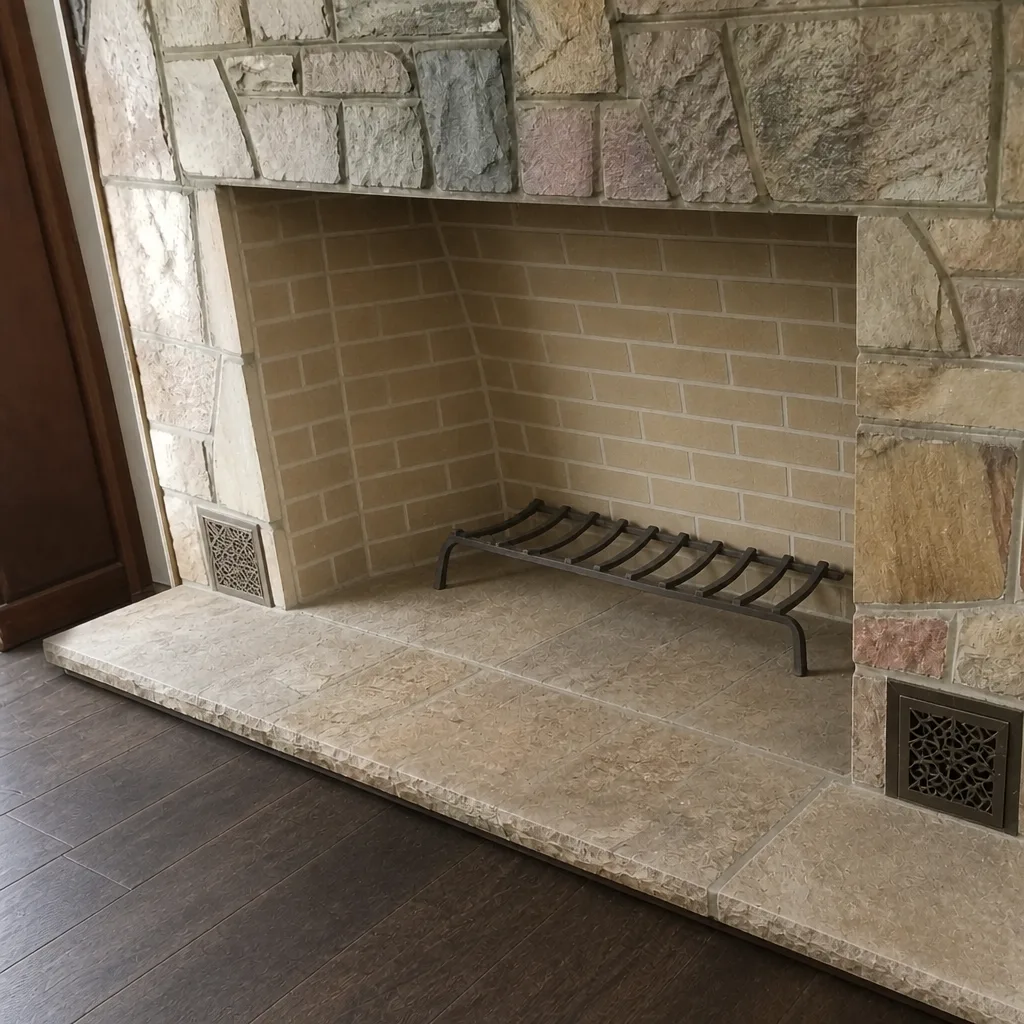
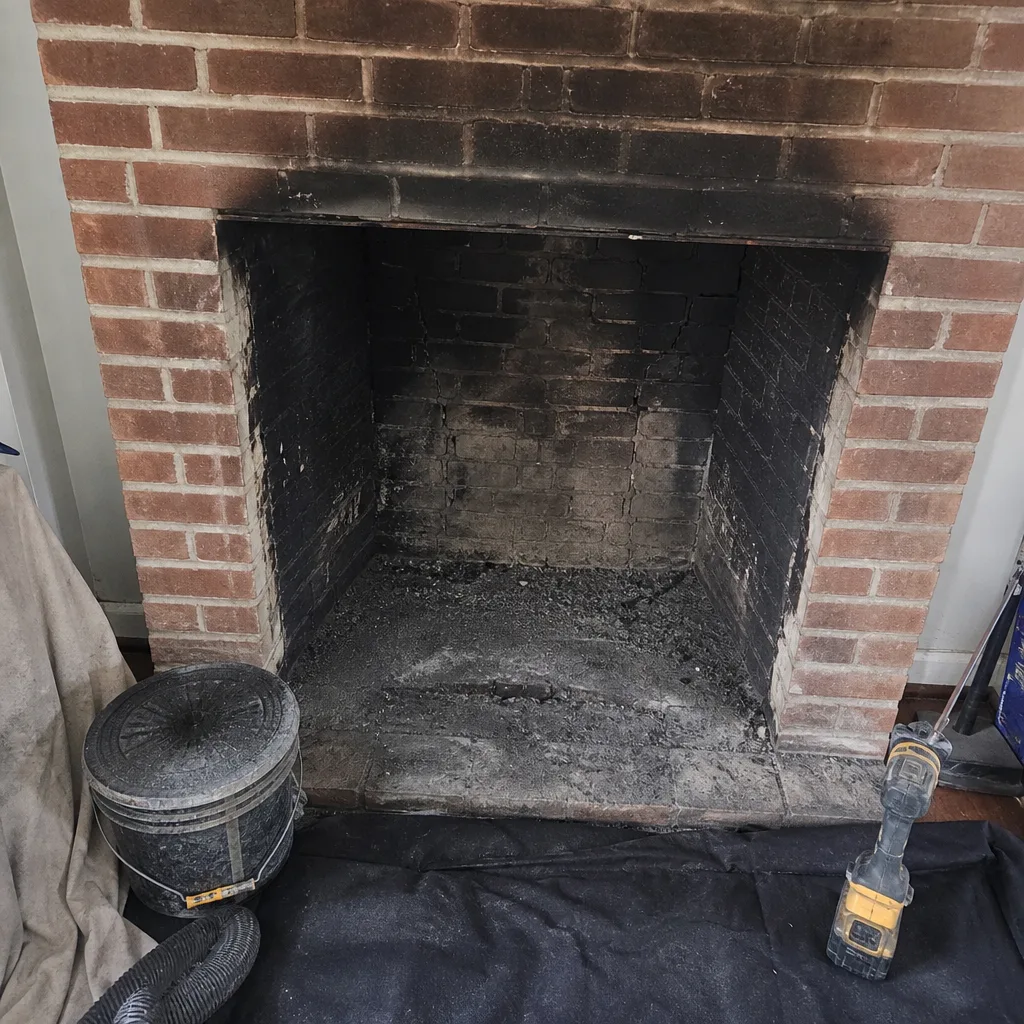
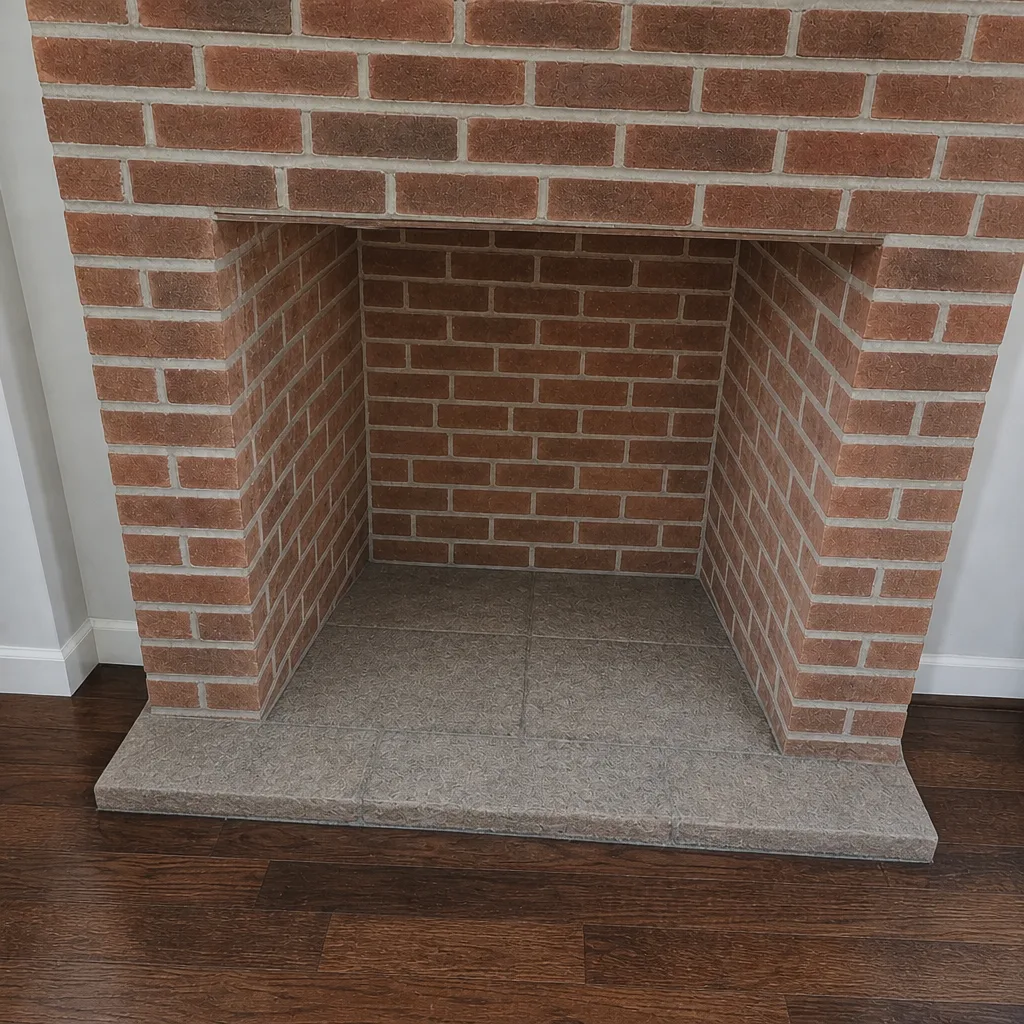
See the difference
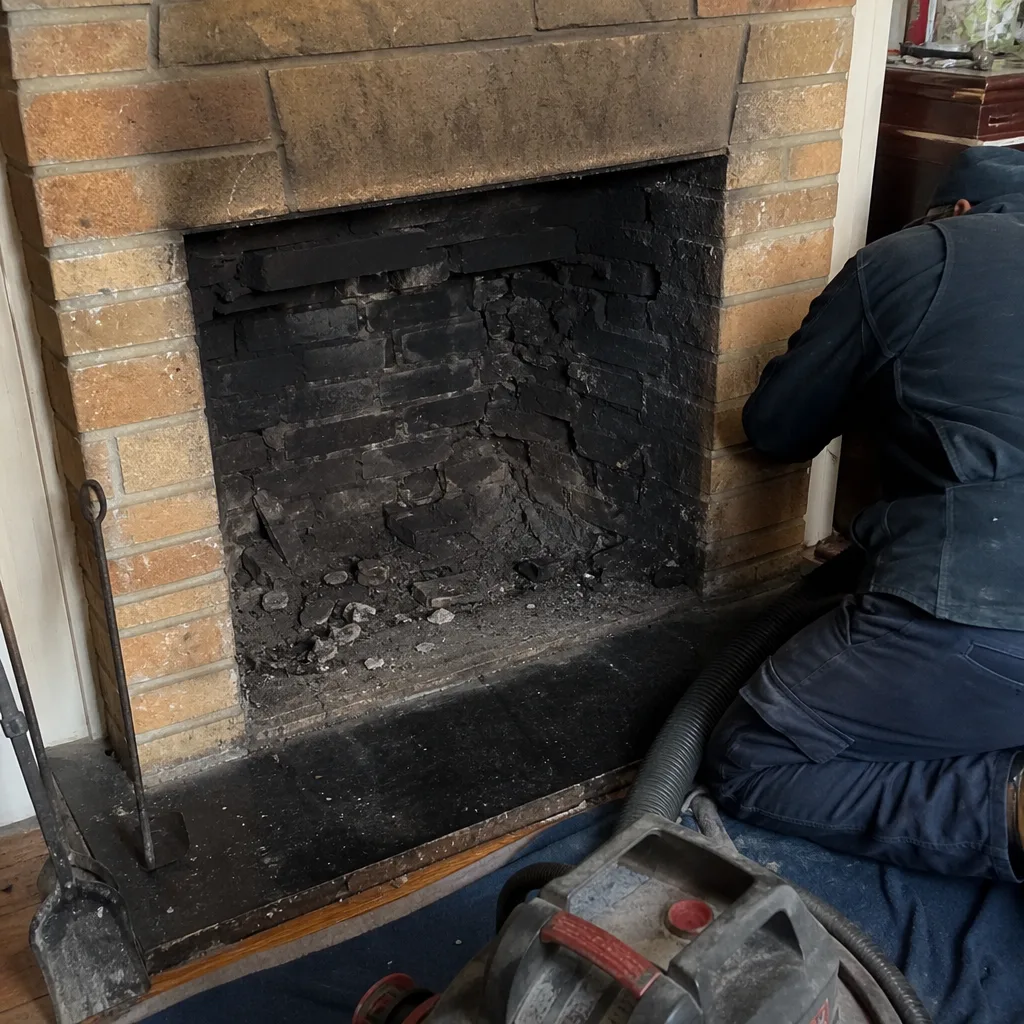 Before
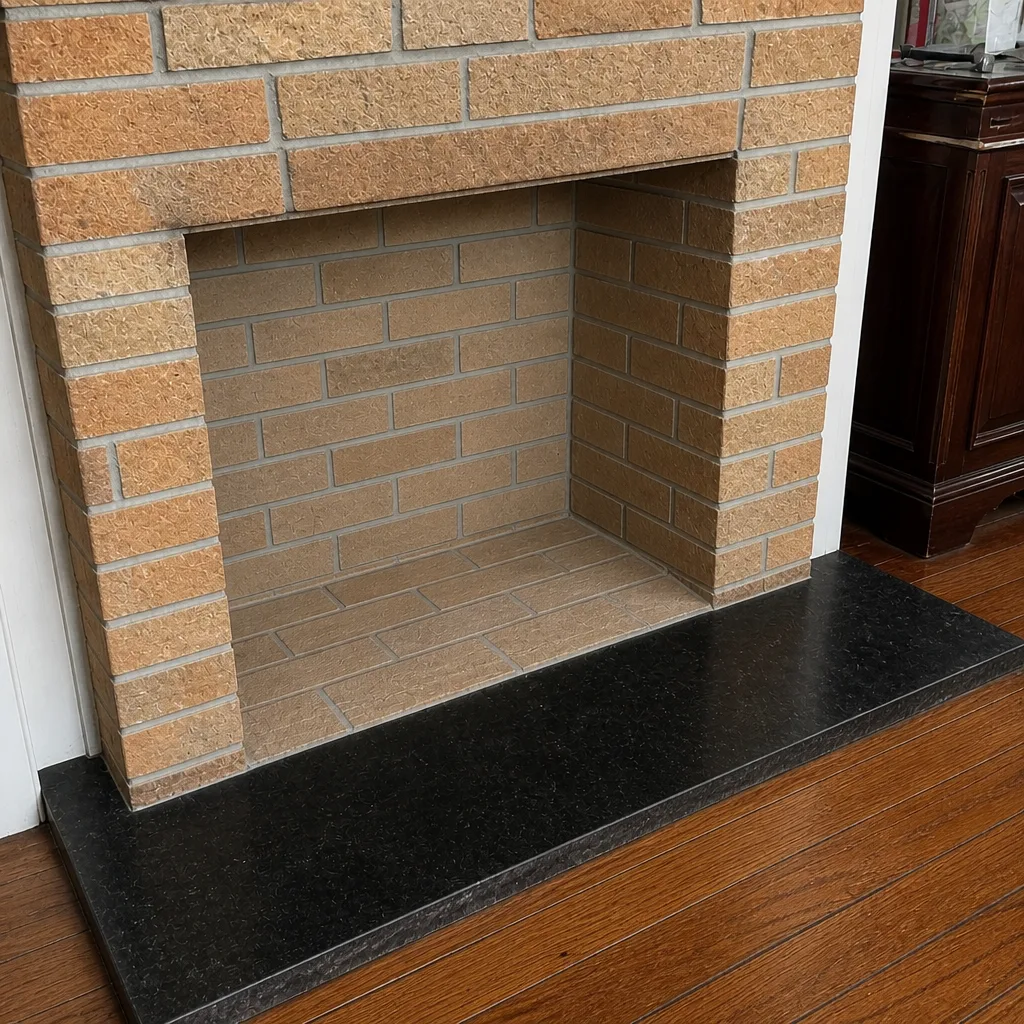 After
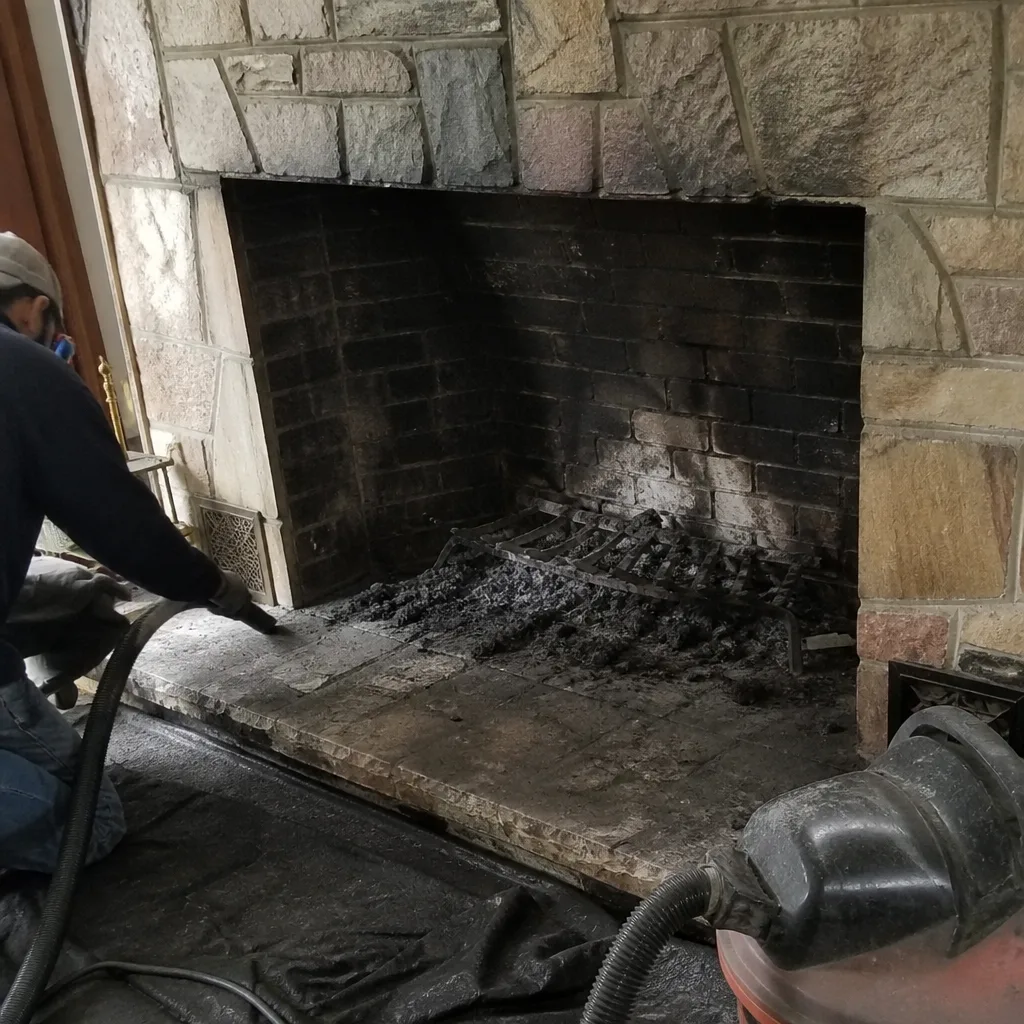 Before
 After
 Before
 After
When to Call a Professional
Call a professional when a fire smokes back into the room, when you smell acrid creosote during heat-up, when you hear scratching or rumbling in the chase, or when the firebox or breast wall shows stains you can’t explain. These are the signals that a chimney needs a real inspection, not a homeowner’s guess. Call sooner when white efflorescence or spalling brick on the exterior is getting worse after each rain, or when the chimney cap is missing or damaged and the top is open to the weather and wildlife. An annual sweep catches most problems before they produce any of these symptoms at all. Chimney Sweep East Flatbush offers free estimates in East Flatbush, and we tell you exactly what we find before any work begins. Call (844) 932-2112. We answer 24/7. Fast dispatch from 7am to 7pm, Sunday through Friday.
Frequently Asked Questions
The most common warning sign is a sharp, acrid smell when the flue heats up, which points to a heavy creosote load. The second most common is a fine streaking of black soot up and out of the firebox that tells you smoke isn’t drawing cleanly. Both are caught early by a camera inspection. Call (844) 932-2112 for an exact quote – estimates are free.
A routine chimney sweep is priced per job from a written estimate, and the estimate is free. The written estimate sets the final price, and we agree on it before any work begins, so there’s no surprise on the bill. We include a camera inspection and photo report with the sweep, so you see what we see. Call (844) 932-2112 for an exact quote – estimates are free.
Not usually. A smell is a symptom, and the fix depends on which smell it is: musty smells point to water infiltration, sharp smells to creosote, and rotten smells to animals or debris. Only a camera inspection tells you whether the liner is actually damaged. When it is, HeatShield resurfacing can restore a damaged liner without the cost of full replacement, and we’ll tell you plainly when the liner is fine and no work is needed. Call (844) 932-2112 for an exact quote – estimates are free.
Most wood-burning chimneys should be swept once a year, and inspected annually. Households that burn frequently, burn unseasoned wood, or use a wood stove insert may need a sweep sooner than that. The right interval is set by looking inside the flue, not by the calendar alone. Call (844) 932-2112 for an exact quote – estimates are free.
Creosote keeps building on the flue walls, and at a heavy enough layer it can ignite in a chimney fire. At the same time, a cracked crown or failed cap lets water into the masonry, and a blocked flue can send smoke and carbon monoxide back into the room. None of that happens overnight, which is exactly why the subtle signs in this guide are worth acting on. Call (844) 932-2112 for an exact quote – estimates are free.
Most of the time, yes. A camera inspection looks down the flue, and a visual pass from the ground catches the cap, crown, and efflorescence. The roof gets checked only when the inspection or the exterior signs call for it. You get a clear condition report from what we find, whether or not the roof gets involved. Call (844) 932-2112 for an exact quote – estimates are free.
The Bottom Line
The signs of a chimney that needs cleaning are usually quieter than a fire in the flue. A musty, acrid, or rotten smell, a stain on the firebox or breast wall, a fire that smokes back, ticking or scratching in the chase, or white bloom on the exterior brick – each one is the chimney telling you something specific, and each one has a different fix. The common thread is that they show up before the expensive damage does. Read them early, get an inspection and photo report you can see for yourself, and treat the annual sweep as the cheapest insurance in the house. The full range of follow-up work is one call away, from cap and crown to liner resurfacing.
Call (844) 932-2112 for a free estimate. We answer 24/7. Fast dispatch from 7am to 7pm, Sunday through Friday. One call covers sweep, inspection, cap, crown, and repair – no juggling contractors.
Written by the team at Chimney Sweep East Flatbush.