
Last updated November 22, 2026
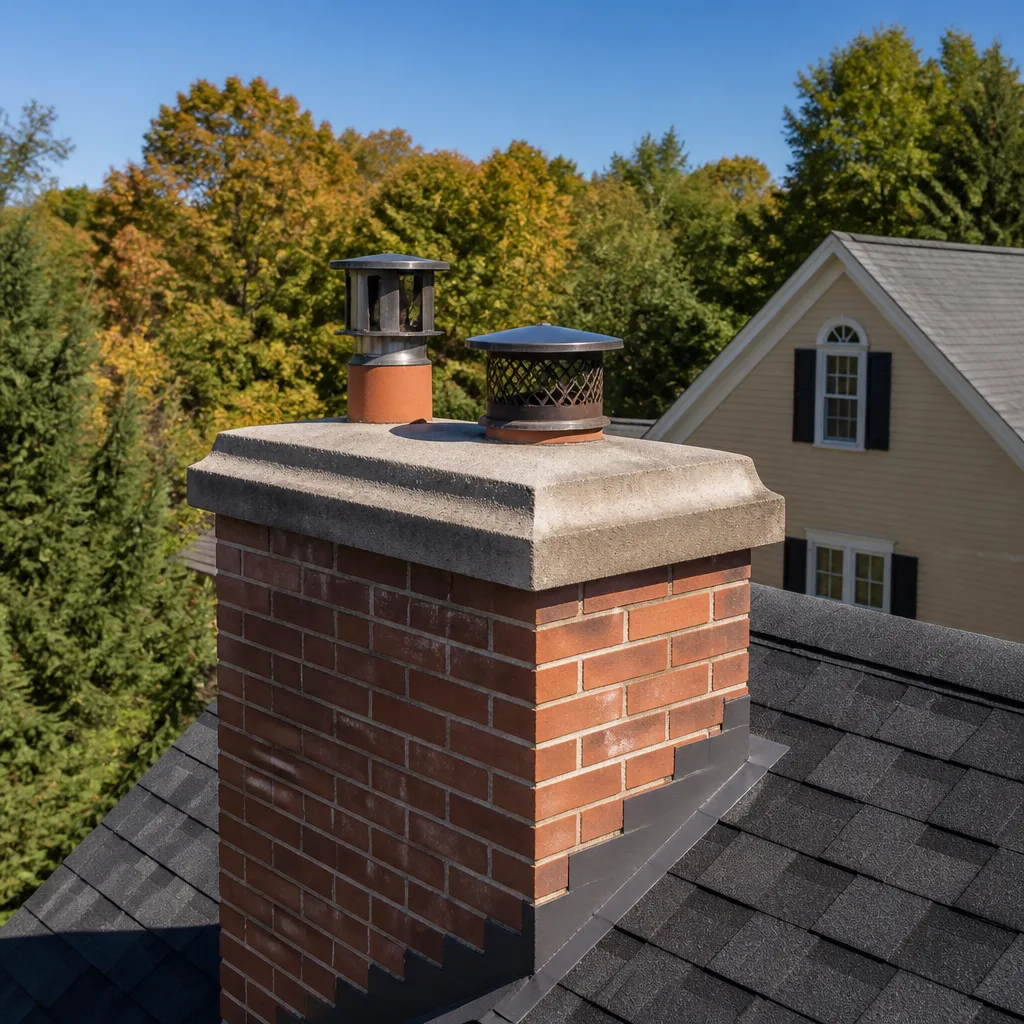 Sweep & inspection
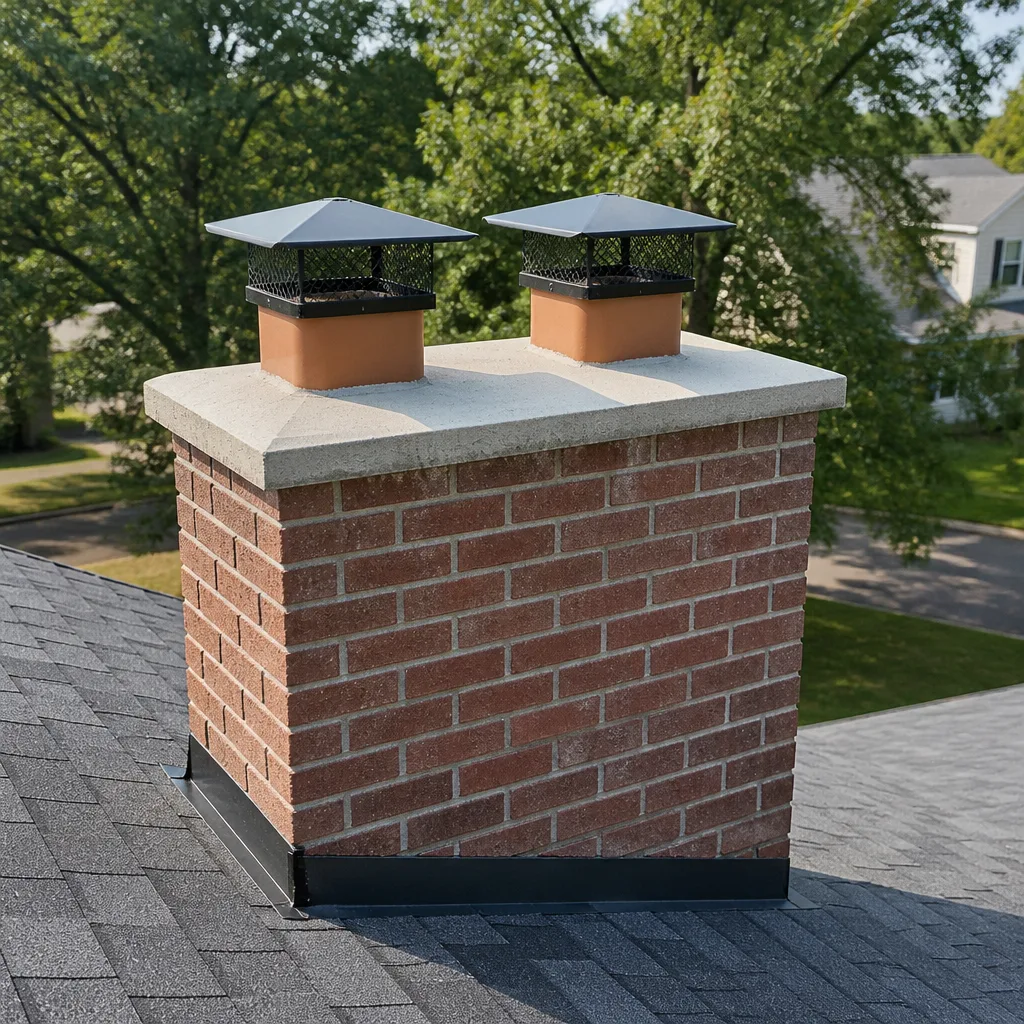 Caps & crowns
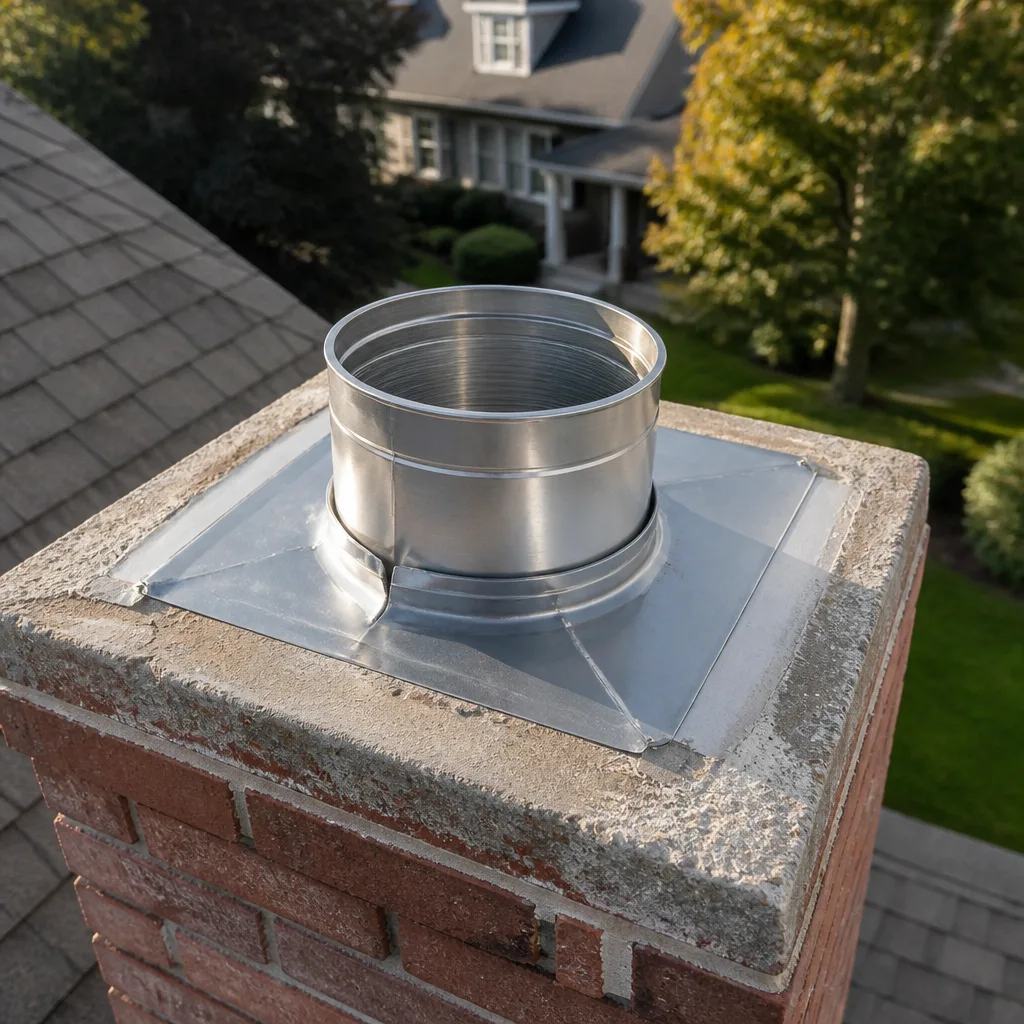 Flue relining
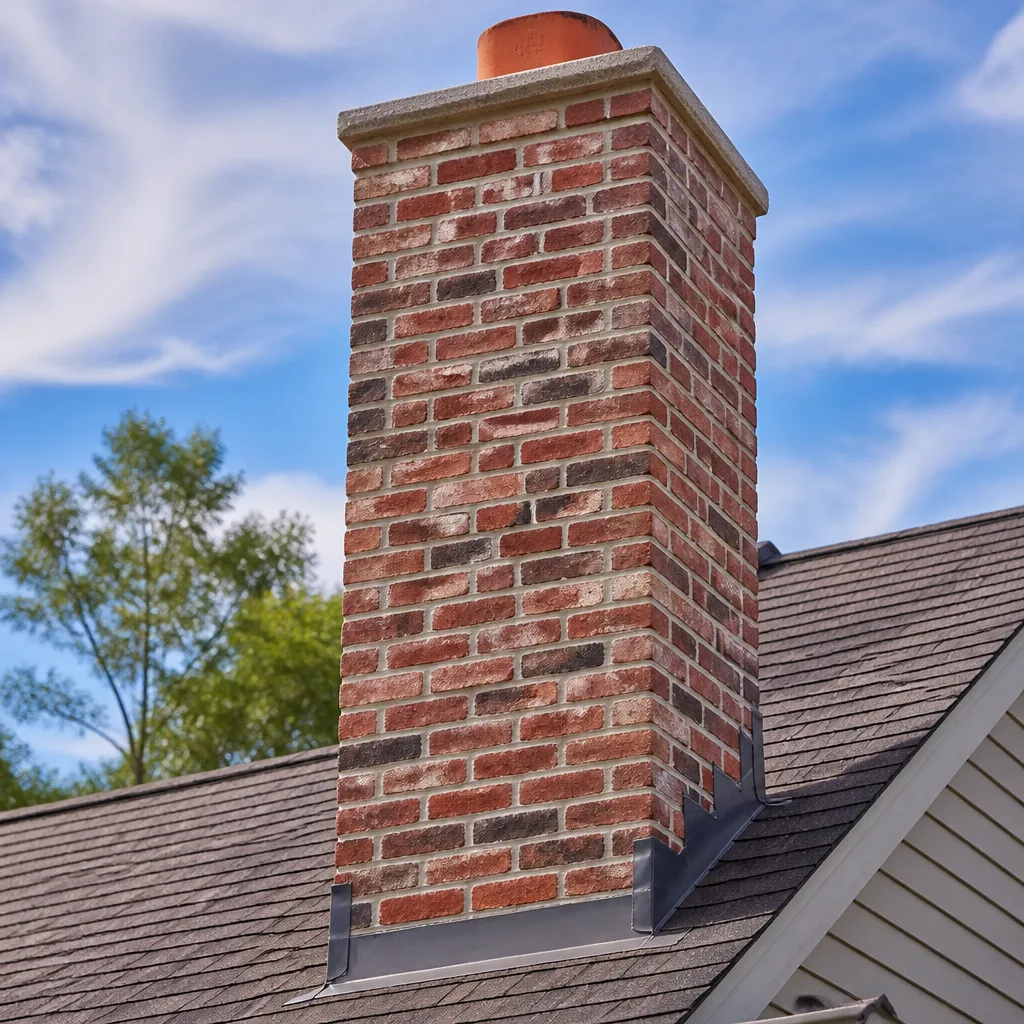 Masonry repair
 Gas fireplace service
Level 1 sweep and inspection to the NFPA 211 annual standard - flue, crown, cap, and flashing checked and photographed
Chimney sweep logs do not sweep chimneys. They loosen some creosote - which then falls where a brush and vacuum still have to collect it.
The Complete Guide to Chimney Cleaning in East Flatbush
Most East Flatbush chimneys were built to vent coal or oil, not the gas appliances and wood-burning inserts now connected to them. That mismatch is where any honest conversation about chimney cleaning in this neighborhood has to start. The flues inside our rowhouses were sized and shaped for fuels we no longer burn, and the residue left behind by old fuels behaves nothing like the soot and creosote a national chimney guide describes. This guide maps what’s actually inside a typical East Flatbush chimney, why shared flue walls in attached rowhouses change the whole job, and what a thorough cleaning and inspection should involve layer by layer. No scare tactics. Just the technical picture.
Quick Answer
A proper chimney cleaning in East Flatbush means brushing and vacuuming the flue to remove soot and creosote, then running a Level 1 inspection on the same visit to check the liner, damper, cap, crown, and joints for damage. It should be done annually if you burn wood, and more often if you notice heavy buildup, drafting problems, or oil-to-gas conversion residue in an older flue. A cleaning without an inspection tells you the flue is empty. It doesn’t tell you the flue is safe.
Styles & brands we work with
- Sweep & inspection
- Caps & crowns
- Flue relining
- Masonry repair
- Gas fireplace service
Table of Contents
- How Chimney Cleaning in East Flatbush Differs From the National Guides
- Shared Flues in Attached Rowhouses: What Changes in the Cleaning Scope
- Glazed Creosote vs. Standard Soot: Why One Brush Won’t Cut It
- Oil-to-Gas Conversion Residue: What’s in the Liner Before You Burn Wood
- NFPA 211 and How to Verify Your Sweep Follows It
- Why Every East Flatbush Sweep Needs a Level 1 Inspection
- What a Thorough Cleaning Actually Involves, Step by Step
- How Often Should You Schedule a Sweep?
How Chimney Cleaning in East Flatbush Differs From the National Guides
National chimney guides tend to assume a few things about a house: a single-family structure, a flue built for the fuel currently in use, and masonry thick enough to hold heat the way the textbook says. East Flatbush rowhouses break all three assumptions at once. The housing stock here is dominated by attached brick rowhouses built in waves across the early and mid-twentieth century. The original flues were sized for coal or oil furnaces. Many of those same flues now vent gas-fired boilers, gas water heaters, or wood-burning fireplace inserts that were never part of the original plan.
That history creates buildup patterns you won’t find described in a generic guide:
- Flues that were oversized for coal and are now oversized for gas. A flue too large for its appliance drafts poorly, which lets residue settle instead of being carried up and out. Soot cakes onto the liner wall in layers rather than coating it evenly.
- Mixed residue from multiple fuels. A flue that vented oil for decades and then switched to gas carries sulfur and oil residue that behaves differently from pure wood soot. Brushing it releases a fine, acidic dust if the technician isn’t using proper containment.
- Wood inserts added to flues that were never sized for them. An insert burning wood in a flue built for a furnace produces creosote at a rate the original bricklayers never imagined.
That’s why we treat an East Flatbush chimney as a specific case, not a standard one. The first question at the door isn’t “how many cords did you burn?” It’s “what did this flue originally vent, and what’s connected to it now?” The answer changes the tools, the containment, and the inspection scope. Reading the flue’s history before starting is the difference between a real cleaning and a brush run. Our technicians have up to 12 years of experience reading exactly these conditions.
Shared Flues in Attached Rowhouses: What Changes in the Cleaning Scope
In attached rowhouses, two adjacent units often share a chimney stack, and sometimes share a single flue servicing multiple appliances. That shared construction has real consequences for cleaning and inspection. A technician working on your side of the wall can’t see what’s happening on the neighbor’s side, but the two sides affect each other. A cracked flue tile on your neighbor’s side can let combustion gases migrate into your flue, and vice versa. A cap installed on one side of a shared stack can change the draft characteristics of the other.
Here’s what we look for in an East Flatbush rowhouse with a shared stack:
- Flue tile joints that cross the party line. Mortar joints between clay tiles don’t respect property boundaries. A joint that fails on one side can compromise the barrier between flues.
- Offset flues that share a common chimney breast. Many rowhouses have multiple flues running side by side in one masonry mass. A cleaning on your flue needs to account for where the adjacent flue sits and whether any crossover has developed.
- Cap and crown coverage that stops at the property line. A common failure point. If only half of a shared crown is protected, water entering on the unprotected side travels through the shared masonry mass and shows up as a leak on the protected side.
This is one reason a standalone chimney inspection matters so much in East Flatbush. A sweep-only company brushes one flue and leaves. A proper inspection identifies which parts of the stack are shared, what condition the shared components are in, and whether the neighbor needs to be part of the conversation. When cap or crown work is needed on a shared stack, we work with chimney cap & crown components from Gelco and Famco so sizing and fit get resolved on the first visit rather than after an order and a reschedule.
Glazed Creosote vs. Standard Soot: Why One Brush Won’t Cut It
Not all chimney buildup is the same, and the difference matters for what cleaning actually removes. Standard soot and light creosote come off with a proper brush and vacuum setup. Glazed creosote is a different material entirely. Also called third-degree or Class 3 creosote, it forms when creosote deposits are reheated repeatedly and fuse into a hard, tar-like shell that bonds to the flue wall. A brush will pass over it and remove almost nothing.
Glazed creosote is a fire hazard because it’s concentrated fuel sitting on the liner, and it ignites at a lower temperature than the wood that produced it. A chimney fire fed by glazed creosote burns hotter and longer than one fed by loose soot. That’s why it can’t be left in place, and why a technician who brushes around it and calls the job done has done you no favors.
What actually removes glazed creosote:
- Rotary tools with the right head. A powered rotary whip or chain head spins against the liner wall and physically breaks up the glazed layer. The correct head depends on liner material. A metal liner tolerates a chain; a clay tile liner does not.
- Chemical pre-treatment. A creosote conversion product applied before mechanical removal softens the glaze so the rotary tool can work it loose.
- Containment and HEPA vacuuming. Glazed creosote comes off as fine, sticky particulate. It gets everywhere without a sealed containment setup and a HEPA vacuum running the whole time.
- Post-cleaning inspection. After removal, the liner is inspected again for any heat damage the glaze was hiding. This inspection step is what separates a real glazed-creosote job from a cosmetic one.
In our experience, glazed creosote shows up most often in East Flatbush chimneys that have vented wood-burning inserts without regular cleaning, or in flues that were undersized for the appliance connected to them. If a technician tells you your flue is “just sooty” without running a camera or a rotary tool, ask how they confirmed that.
Oil-to-Gas Conversion Residue: What’s in the Liner Before You Burn Wood
Oil-to-gas conversion was the defining change to East Flatbush chimneys across the last few decades. When a house switched its furnace or boiler from oil to gas, the appliance changed but the flue did not. The flue that had vented oil for years still carries the residue of that oil, and gas appliance exhaust behaves differently from oil exhaust in ways that affect that residue.
Oil combustion leaves sulfur compounds and acidic deposits on the liner. Under continued oil use, those deposits stayed warm and dry. Under gas use, the flue runs cooler and wetter, because gas appliance exhaust carries more moisture per unit of heat released. That moisture combines with the remaining oil residue to create an acidic, gummy coating that sits on the liner wall.
Here’s the problem with that coating:
- It’s corrosive to clay tile and metal liners alike. Left in place, the acidic coating eats into the liner surface over years.
- It’s a contaminant for wood-burning use. If you’ve switched a former oil flue to a wood-burning fireplace or insert, that oil residue was never cleared, and it doesn’t belong in a flue that now carries wood smoke.
- It masks liner damage. The gummy coating can hide cracked tile joints and pitted metal beneath it. You need to see the liner to assess it, which means clearing the residue first.
An East Flatbush sweep on a converted flue is not the same job as a sweep on a flue that has only ever vented wood. The cleaning has to clear the conversion residue before any assessment of the liner’s true condition is possible. If the liner turns out to be compromised after that residue is cleared, resurfacing with HeatShield can restore it without the cost and disruption of pulling and replacing the whole liner. We use HeatShield for chimney liner resurfacing precisely because it lets homeowners fix a damaged liner without jumping straight to full replacement.
NFPA 211 and How to Verify Your Sweep Follows It
NFPA 211 is the Standard for Chimneys, Fireplaces, Vents, and Solid Fuel-Burning Appliances. It’s the standard that governs how a chimney should be cleaned, inspected, and maintained, and it’s the benchmark any professional sweep should be working to. It’s also not a law. Nothing forces a sweep to follow NFPA 211. The standard exists to define good practice, and the technician decides whether to work to it.
What NFPA 211 establishes that matters to a homeowner:
- Three levels of inspection. Level 1 covers the readily accessible portions of the chimney and is what a routine annual sweep should include. Level 2 is more thorough and is what you need before a fuel change, after a chimney fire, or when a property is changing hands. Level 3 involves opening concealed areas and is used when a serious hazard is suspected.
- Cleaning criteria. The standard defines when a flue needs to be cleaned rather than merely inspected, which prevents a sweep from either skipping cleaning when it’s needed or pressuring you into it when it isn’t.
- Clearance and condition requirements. The standard specifies clearances between chimney components and combustible construction, and condition criteria for the liner, cap, crown, and connectors.
How to verify a sweep in East Flatbush is actually following NFPA 211:
- Ask which level of inspection they’ll perform. A sweep who answers “Level 1” for a routine annual cleaning and can explain what that includes is working to the standard. A sweep who doesn’t know the levels isn’t.
- Ask about their cleaning method. The standard assumes proper containment and vacuuming. If a sweep arrives without a HEPA vacuum and drop cloths, they aren’t following the standard’s cleaning requirements.
- Ask what documentation you’ll get. A proper inspection produces a written report describing findings and their condition. A verbal “you’re all set” is not an inspection.
- Ask about documentation for real estate or insurance. If you’re selling or buying in East Flatbush, a Level 2 inspection report is the document an insurer or a buyer will want. Ask ahead of time whether the sweep can produce one.
If a sweep can’t answer those four questions confidently, that’s your signal to find another sweep. A chimney inspection is a safety document. It should read like one.
Why Every East Flatbush Sweep Needs a Level 1 Inspection
A Level 1 inspection examines the readily accessible portions of the chimney, fireplace, and appliance connection. It’s the inspection type that pairs with a routine annual cleaning, and in East Flatbush it’s not optional. Here’s why. The conditions that make East Flatbush chimneys risky are not visible from the fireplace opening. Shared flue walls, oil-conversion residue, glazed creosote, and age-related liner wear all sit inside the flue or on components you can’t see without a camera and a proper look.
What a Level 1 inspection should cover when it’s done properly:
- The flue interior. A camera run top to bottom to check for glazed creosote, cracked tile, detached liner sections, and offset or misaligned joints.
- The firebox and damper. Condition of the firebox brick and mortar, and whether the damper opens and closes fully.
- The appliance connection. Whether the connector from the appliance to the flue is secure, properly sized, and free of corrosion.
- The cap and crown. Whether the cap is intact and properly sized for the flue, and whether the crown is shedding water or cracking.
- The exterior stack. Condition of the brickwork and mortar joints above the roofline, since East Flatbush’s freeze-thaw swings open and close mortar joints over the years.
What gets missed without the inspection is the important part. A cleaning alone tells you the flue is empty. It doesn’t tell you the flue is intact. In our experience, the majority of safety concerns we find in East Flatbush chimneys are found during inspection, not during cleaning. A cleaning without an inspection is a maintenance routine. A cleaning with an inspection is a maintenance routine plus a safety assessment. The second one is what you actually want.
This is why our chimney repair work almost always starts as a conversation after an inspection rather than before one. We tell you exactly what we find and what it means before any work begins, and we can point to camera evidence for everything we recommend. If the liner looks fine, we say so. If it needs resurfacing or a cap replacement, we show you why.
What a Thorough Cleaning Actually Involves, Step by Step
A real cleaning follows a sequence. Skipping any step changes the quality of the result, and skipping several changes it profoundly. Here’s what a thorough chimney sweep should involve on an East Flatbush flue:
- Set up containment. Drop cloths and floor protection go down around the hearth and any access points. A HEPA vacuum is connected and running before any brush touches the flue. This protects your home from soot and fine particulate, and it protects the rest of the house from cross-contamination.
- Assess the flue before cleaning. A quick pre-clean look with a camera identifies buildup type (soot, light creosote, or glazed creosote) and flags any liner damage that cleaning could make worse. A brush applied to a damaged liner can turn a repairable problem into a bigger one.
- Select the right tools. Standard poly brushes for soot. Rotary whip or chain heads for creosote and glazed creosote. The head material and rotation speed depend on liner type. Tile, cast-in-place, and metal liners each get a different approach.
- Mechanically clean the flue. Bottom-to-top or top-to-bottom depending on access, with the HEPA vacuum maintaining negative pressure the whole time so particulate doesn’t escape into the house.
- Clean the firebox, damper, and smoke shelf. The firebox brick and damper get brushed and vacuumed. The smoke shelf is the ledge just behind the damper where residue tends to collect. It gets cleared every time.
- Clean the appliance connection. The connector pipe from the appliance to the flue is brushed and checked for corrosion and secure fitment.
- Clean the cap from above. The cap is checked and cleared of debris from the roofline, since a blocked cap can cause drafting problems that a flue cleaning alone won’t fix.
- Run the post-clean inspection. This is the Level 1 inspection step. Camera evidence from before and after, with findings documented.
- Deliver the report. A written summary of what was found, what condition each component is in, and what (if anything) needs attention. If nothing needs attention, the report says so. Nothing is recommended without camera evidence you can see for yourself.
A sweep who doesn’t follow a sequence something like this is likely cutting steps. The most commonly skipped are the pre-clean assessment, the containment vacuum, and the post-clean inspection. Each skip has a consequence, and the consequence of the last one is the biggest.
How Often Should You Schedule a Sweep?
Annual is the baseline for a wood-burning fireplace in East Flatbush. Burn a cord or more per season, or burn green or unseasoned wood, and you may need a cleaning more often. A gas-burning appliance still benefits from periodic inspection even if the flue itself doesn’t accumulate wood soot. If you’ve just moved into an East Flatbush rowhouse and don’t know the flue’s history, a Level 2 inspection before the first burning season is the safest starting point.
Signs you shouldn’t wait for the annual schedule:
- You’re seeing draft problems. Smoke rolling into the room instead of going up the flue is a sign of blockage or a flue that’s too cool to draft.
- You’re burning wood in a flue that previously vented oil. The conversion residue needs to be cleared before the first wood fire.
- You’ve had a chimney fire, even a small one you think you caught in time. A Level 2 inspection follows every chimney fire regardless of how minor it seemed.
- You smell a strong creosote or oily odor, especially in humid weather. That odor means residue is present and probably thick.
- You’re buying or selling a home in East Flatbush. A standalone chimney inspection is an expected part of due diligence, and an insurer may want one before issuing coverage.
If any of those signs is present, schedule a sweep and a Level 1 inspection together. Our chimney sweep service includes the inspection step as standard, not as an optional add-on. If the inspection finds a structural issue, we can move directly into chimney repair or a HeatShield resurfacing rather than sending you out to find a second contractor.
Common Mistakes to Avoid
- Assuming the sweep you booked last year cleaned the whole flue. A sweep who brushed only from the firebox up to the smoke shelf and never reached the top of the flue hasn’t cleaned the flue. Ask how far up the brush reached and whether the camera ran to the top.
- Skipping the inspection to save the visit. A cleaning without an inspection tells you nothing about the safety of the flue. In East Flatbush’s shared-stack rowhouses, the inspection often finds the more important issue.
- Burning wood in a former oil flue without clearing conversion residue first. The residue needs to be removed before wood smoke ever touches that liner. If you’ve just converted a flue to wood, schedule a cleaning before the first fire, not after.
- Letting a standard brush pass over glazed creosote without a mention. A sweep who says “looks clear” without checking for glaze is skipping a real check. Glazed creosote looks like a thin coating from the firebox end and hard tar from the flue camera. Insist on looking at the photo evidence.
- Burning green or unseasoned wood to save money on cordwood. Green wood produces more creosote per hour of burn than seasoned wood. In a flue already carrying oil-conversion residue or in a wood-burning insert that was added later, that extra creosote accumulates faster than a single annual sweep can carry off.
- Ignoring a shared-stack cap problem because it “looks fine from your side.” Shared crowns and caps in rowhouse construction often fail on the neighbor’s side while looking intact from yours. Ask for a photo of the whole stack when cap work is on the table.
- Using generic hardware-store caps on a flue that needs a properly sized one. Caps from Gelco and Famco are sized and fitted to the flue opening, which matters for drafting and weatherproofing. A generic cap purchased without measuring the flue often gets the size wrong and buys a new set of draft problems.
See the difference
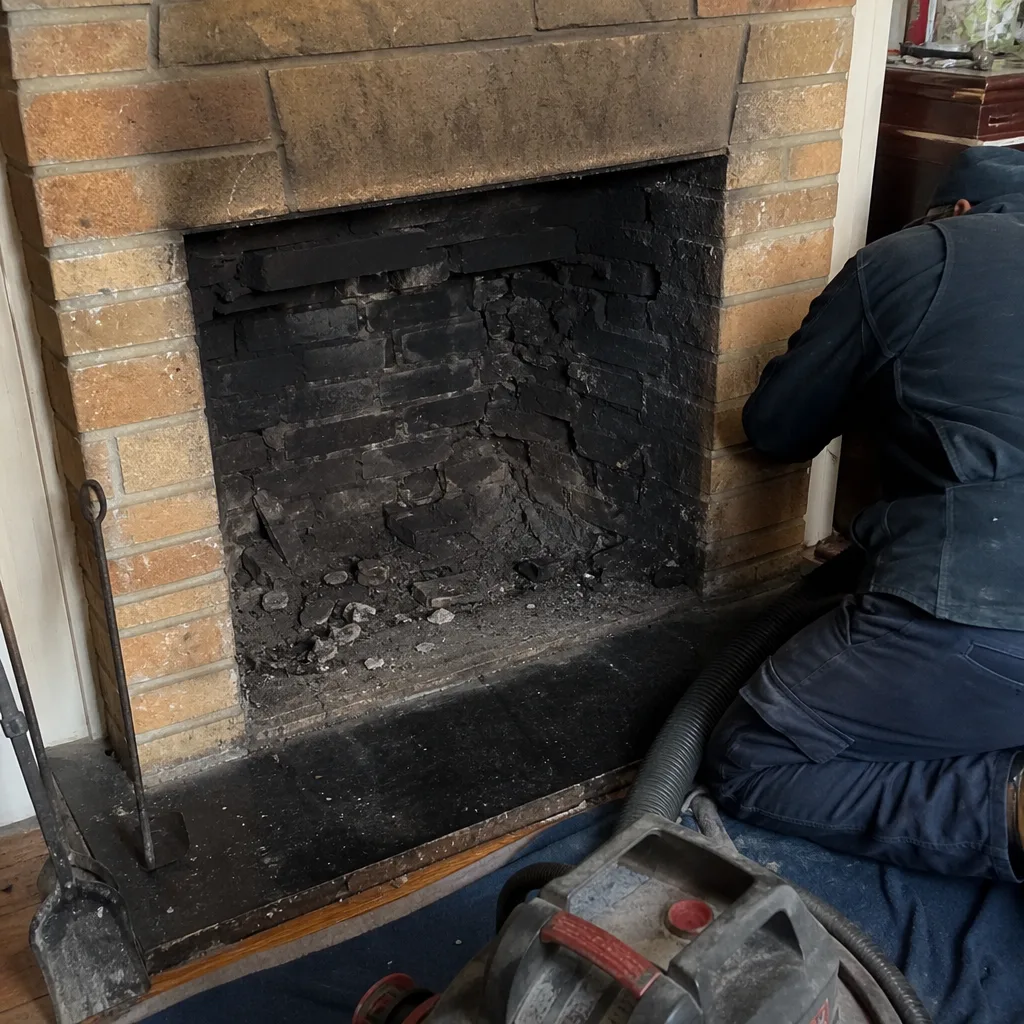 Before
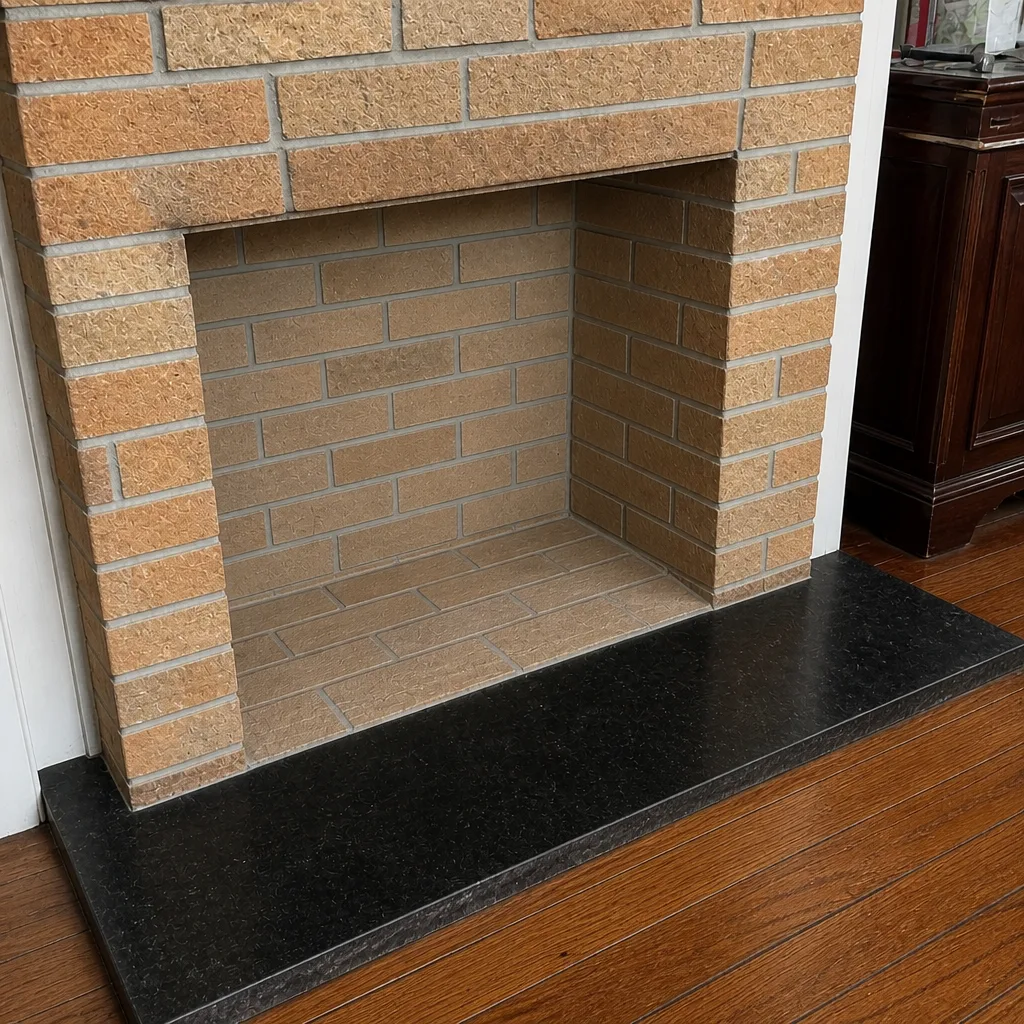 After
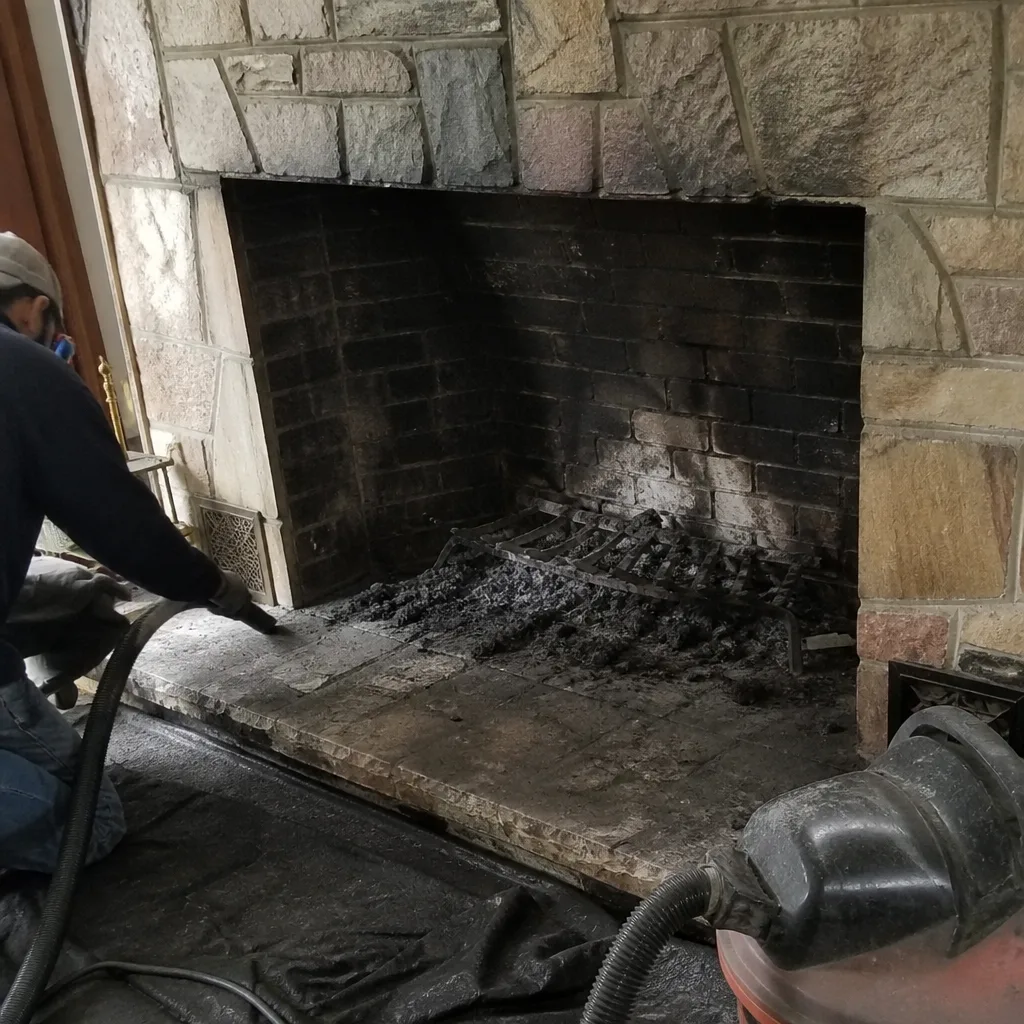 Before
 After
 Before
 After
When to Call a Professional
Any of the following is a reason to call before the next burning season rather than after: smoke rolling into the room when you light a fire, a strong creosote odor that doesn’t go away, visible cracked or missing flue tile, water staining or efflorescence on the chimney breast, a chimney fire however small, or an upcoming home sale or insurance inspection. Those aren’t cleaning situations. They’re inspection-first situations. In East Flatbush’s shared-stack rowhouses, they often involve the neighbor’s side of the flue as well as yours, and a proper diagnosis requires a camera and a technician who knows what shared construction looks like from the inside. Chimney Sweep East Flatbush offers free estimates in East Flatbush. Call (844) 932-2112 to set up an inspection.
Frequently Asked Questions
Price depends on the flue, not the neighborhood. A standard flue cleaning with a Level 1 inspection is quoted per job by written estimate, and the estimate is free. Glazed creosote removal, oil-conversion residue clearing, and cap or crown work add scope and are quoted separately after the inspection. Nothing gets recommended without camera evidence, so the written estimate reflects what’s actually in your flue rather than a flat rate assumed from the phone call. Call (844) 932-2112 for an exact quote. Estimates are free.
Yes. A cleaning without an inspection tells you the flue is empty, not that it’s safe. Level 1 inspection covers the accessible components (flue interior via camera, firebox, damper, appliance connection, cap, crown, and exterior stack) and produces a written condition report. That report is the safety document you can use for insurance, a home sale, or a repair planning conversation. In East Flatbush rowhouses, the inspection is where most real safety findings surface.
Glazed creosote, sometimes called Class 3 or third-degree creosote, is a hard, tar-like deposit that forms when creosote is reheated repeatedly and fuses to the flue wall. You can’t reliably detect it from the fireplace end. A camera run inside the flue shows it as a shiny, crusted layer that a standard brush won’t remove. If it’s present, the cleaning needs rotary tools and possibly chemical pre-treatment. Call (844) 932-2112 to schedule a camera-based inspection if you’re unsure which buildup type you’re dealing with.
It matters a great deal. Shared stacks mean a flue failure on one side can affect the other, shared crowns and caps often fail across the party line, and offset flues share masonry mass that holds water and heat. A cleaning on your flue needs to account for the shared components, which is why our inspection reports document which parts of the stack are shared and what condition they’re in. If cap or crown work is needed, we work with Gelco and Famco components so sizing gets resolved on the first visit.
Once a year for a wood-burning fireplace is the baseline. More often if you burn heavily (a cord or more), burn unseasoned wood, or notice draft problems. A former oil flue that’s been converted to wood needs a cleaning before the first wood fire, full stop. A gas appliance doesn’t produce wood soot, but its flue still benefits from periodic inspection to catch liner damage or drafting problems early. If more than a year has passed since the last cleaning, book one. Call (844) 932-2112 to schedule.
Residue builds up in layers and the flue loses drafting efficiency as it accumulates. Glazed creosote, if it’s forming, hardens further and becomes harder to remove on the next visit. Liner damage that would have been caught and repaired cheaply during an inspection can worsen through a full heating season. None of this happens overnight, and none of it requires panic. Skipping a season isn’t an emergency, but it’s not free either. Book the cleaning before the next burning season so the inspection catches things while they’re still small. Call (844) 932-2112 for an exact quote. Estimates are free.
The Bottom Line
East Flatbush chimneys aren’t generic, and cleaning them isn’t either. The rowhouse construction, shared flues, conversion residue, and glazed creosote potential all shape what a real sweep involves here: proper containment, the right tools for the buildup type, and a Level 1 inspection that comes back with a written condition report rather than a verbal “you’re all set.” NFPA 211 gives you the standard to check any sweep against, and the four questions in this guide give you a way to ask. If your flue has an oil-to-gas history or shares a stack with a neighbor, schedule the inspection before the next burning season.
Chimney Sweep East Flatbush covers the full lifecycle from sweep through cap, crown, and repair, and we work with the same materials certified chimney specialists rely on nationwide. One call covers sweep, inspection, cap, crown, and repair. Call (844) 932-2112 for a free estimate. We answer 24/7. Fast dispatch from 7am to 7pm, Sunday through Friday. You can also start at our Chimney Sweep East Flatbush page to learn what the visit involves.
Written by the team at Chimney Sweep East Flatbush.