
Last updated November 22, 2026
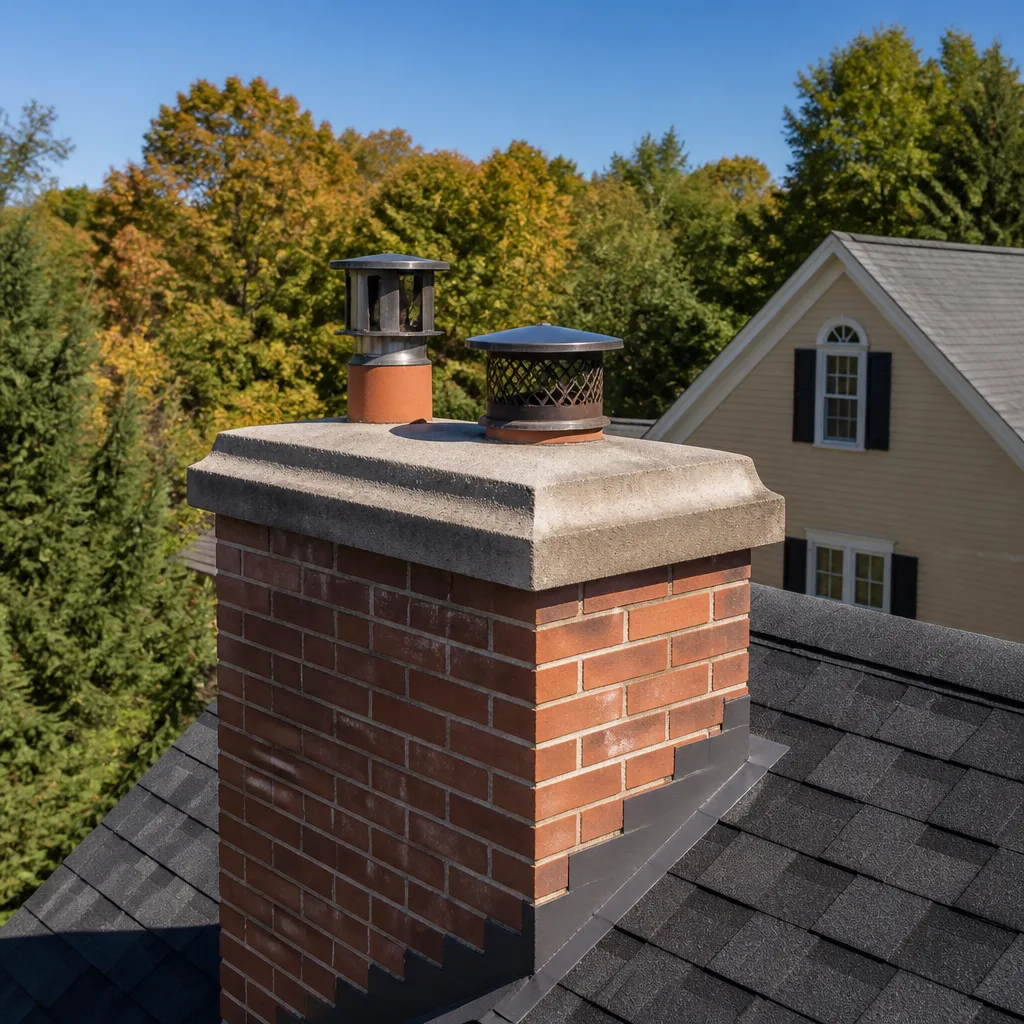 Sweep & inspection
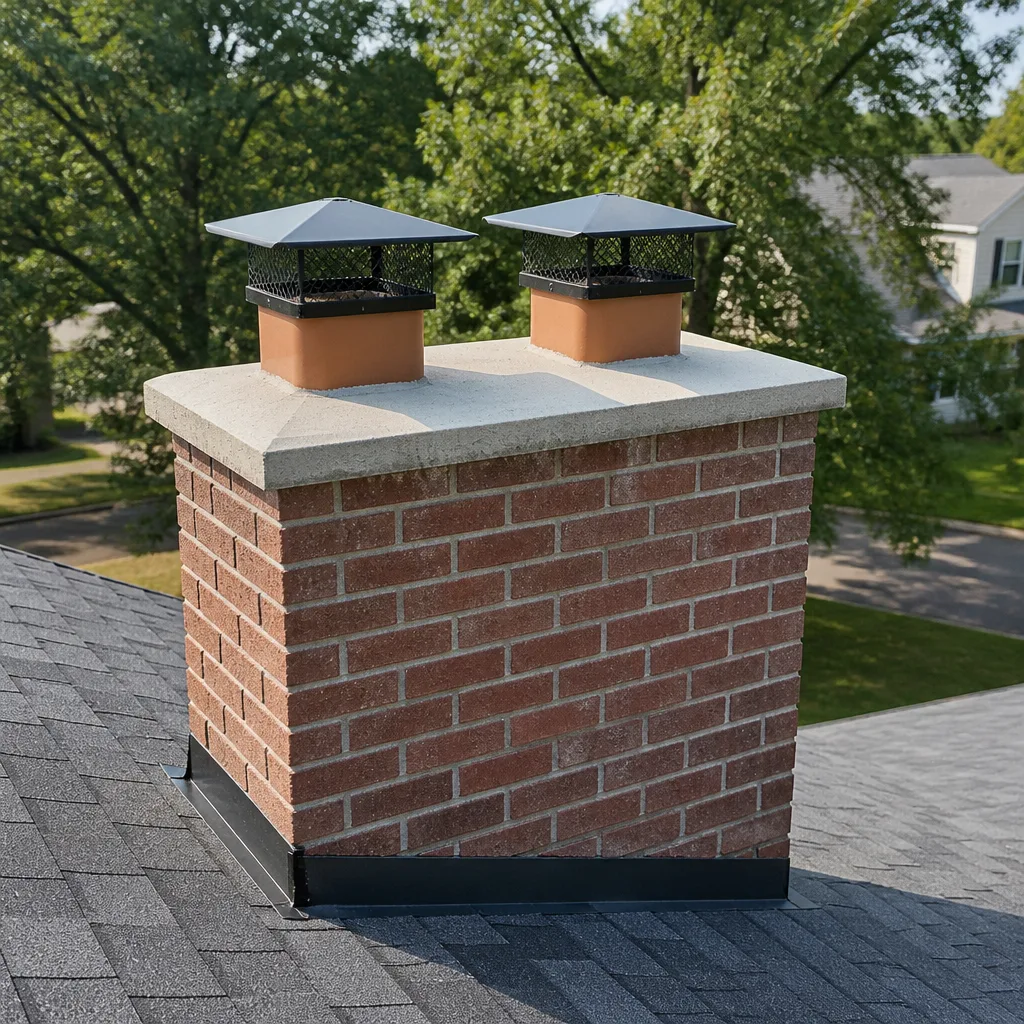 Caps & crowns
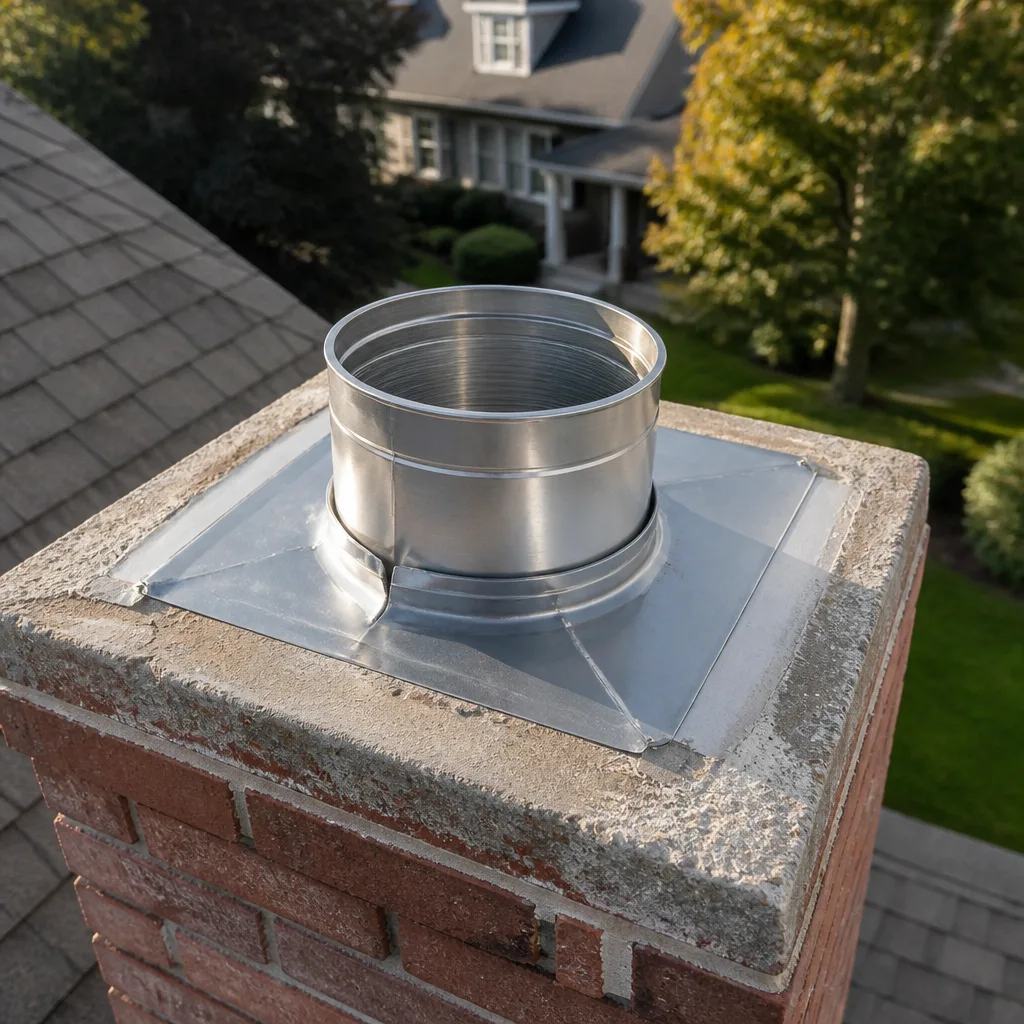 Flue relining
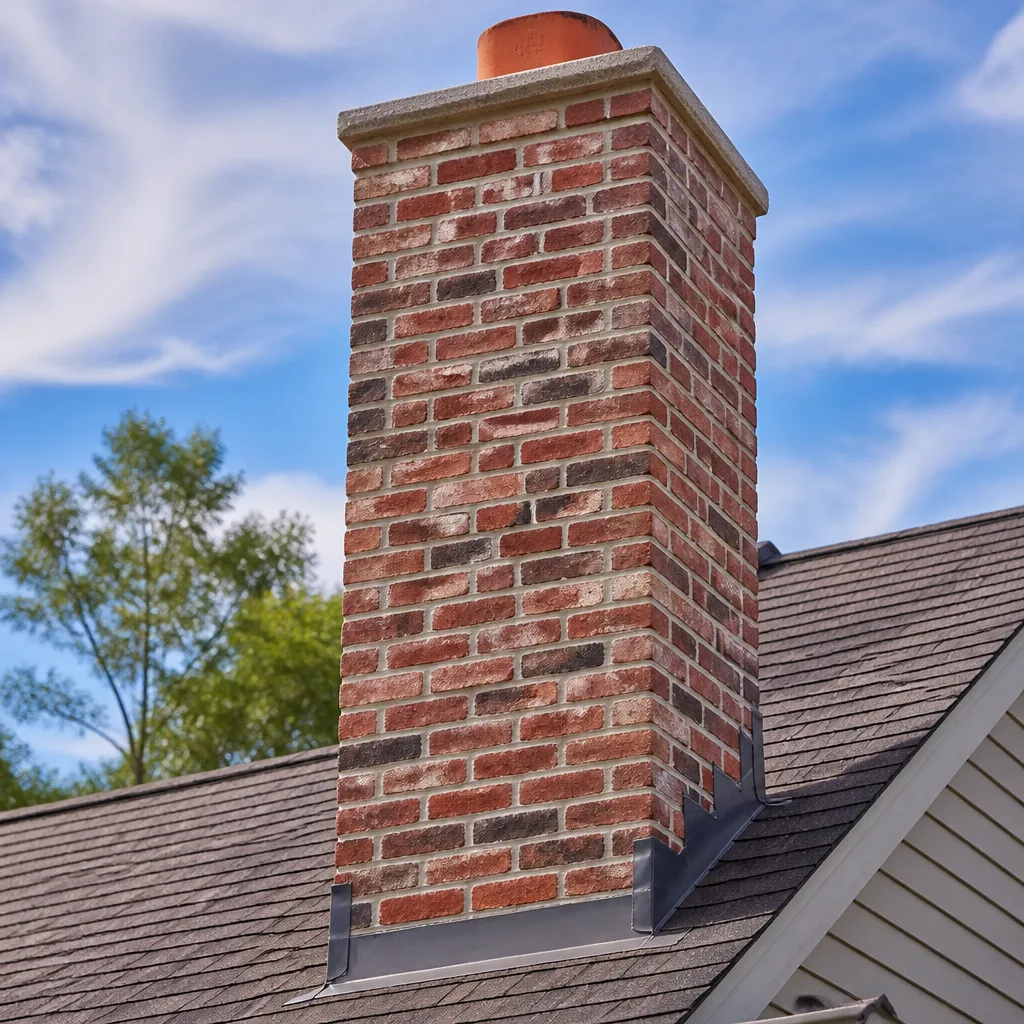 Masonry repair
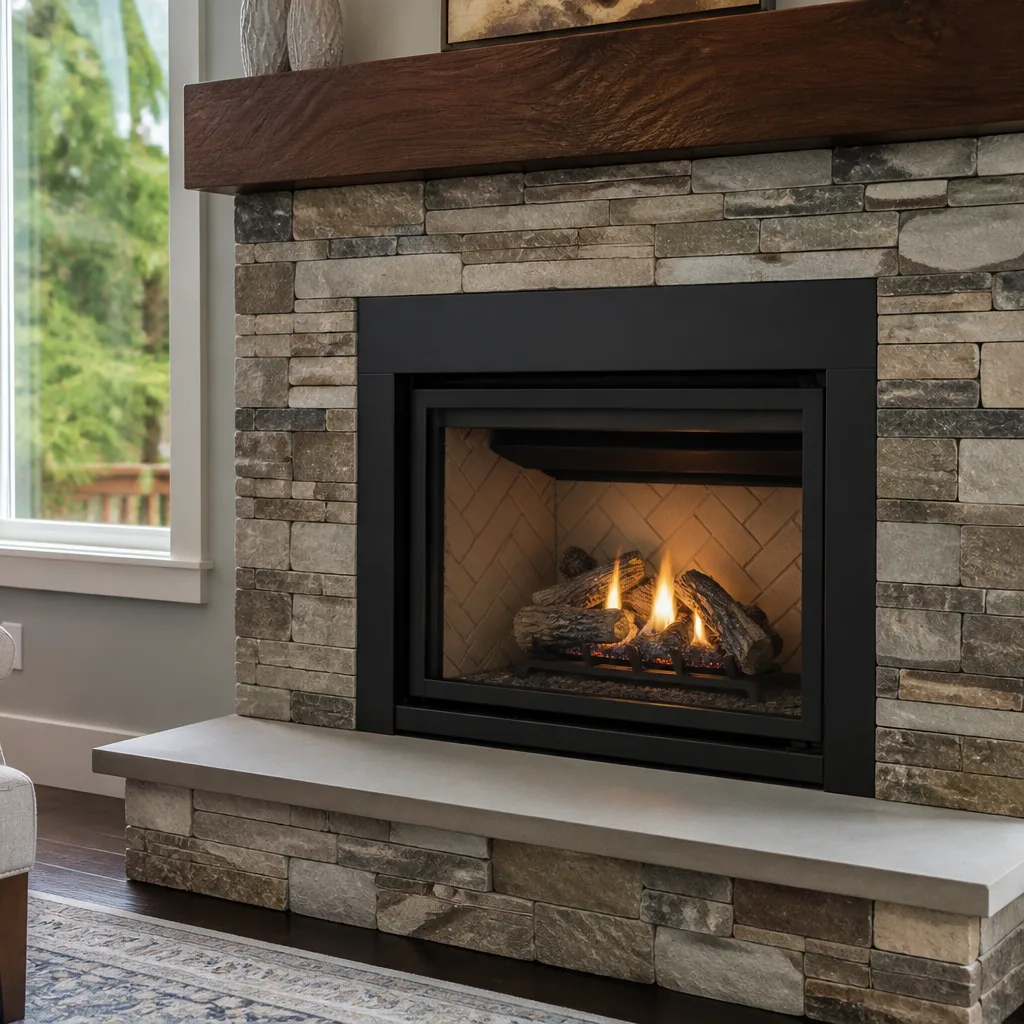 Gas fireplace service
Level 1 sweep and inspection to the NFPA 211 annual standard - flue, crown, cap, and flashing checked and photographed
Chimney sweep logs do not sweep chimneys. They loosen some creosote - which then falls where a brush and vacuum still have to collect it.
Chimney Sweep Maintenance Checklist for East Flatbush Homeowners
Most chimney advice tells you to book one sweep a year and forget about it. That advice is incomplete for a neighborhood like East Flatbush, where brick rowhouses and low-rise apartment buildings take a specific kind of beating from Brooklyn freeze-thaw winters, and where a lot of chimneys now vent high-efficiency gas appliances into flues that were built for wood. The standard “check it once a year” line also leaves out six visual checkpoints any homeowner can do from the ground in under ten minutes. Two of them, in our experience, catch problems earlier than a professional inspection does because you’re looking at the exterior the day a change shows up rather than once a season. This guide is organized around what you can observe yourself versus what genuinely needs a technician’s tools. You’ll get a seasonal timing schedule built for Brooklyn weather, a maintenance log format insurers accept, and a clear line between tasks that are safe to do yourself and tasks that can void a liner warranty.
Quick Answer
A chimney maintenance checklist for an East Flatbush home should cover four categories: ground-level visual checks you do yourself (spalling brick, efflorescence, mortar gaps, crown cracks, cap condition), interior checks with a flashlight (damper movement, visible smoke-chamber deposits, odor patterns), seasonal triggers tied to Brooklyn’s freeze-thaw cycles and heavy rain periods, and an annual professional sweep and inspection that handles everything your eye can’t reach. Schedule the sweep before the heating season, log every service in writing, and never let a masonry or cap repair sit through a winter.
Styles & brands we work with
- Sweep & inspection
- Caps & crowns
- Flue relining
- Masonry repair
- Gas fireplace service
Table of Contents
- Ground-Level Visual Checks You Can Do in Ten Minutes
- Interior Checkpoints: Damper, Smoke Chamber, and Odor Patterns
- Seasonal Timing Triggers for Brooklyn’s Climate
- Gas Appliances Venting Into Old Masonry Flues
- How to Log Maintenance History for Insurance
- What’s Safe to Do Yourself and What Voids a Warranty
- What an Annual Professional Sweep Actually Covers
- Planning Repairs: What Can Wait and What Can’t
Ground-Level Visual Checks You Can Do in Ten Minutes
Start outside, at the base of the chimney, with no tools and both feet on the ground. These six checkpoints catch most of the early-stage problems we find on East Flatbush chimneys, and they’re the ones a homeowner can genuinely read without training. Binoculars help for anything above the roofline.
- Spalling brick. Look for brick faces that have flaked off, leaving a rough, crumbly surface with the softer inner material exposed. Spalling is the signature of freeze-thaw damage, and it’s the check most likely to catch a problem before it reaches the liner.
- Efflorescence staining. A white, powdery stain on the brick face means water is moving through the masonry and leaving mineral deposits as it dries. Staining alone isn’t structural, but it points to a water-entry path you’ll want traced.
- Mortar joint gaps. Look at the recessed lines between bricks. Mortar that has receded, cracked, or turned to dust means joints need repointing. On exposed party walls, erosion tends to accelerate because wind-driven rain hits one face harder than the other.
- Crown cracks. The crown is the sloped concrete cap on top of the chimney. Any visible crack, even a hairline one, lets water into the masonry below it. A crown that has pulled away from the flue is worse.
- Cap condition. Check that the cap is present, sits level, and has intact mesh. A missing or rusted cap means rain, birds, and debris go straight down the flue.
- Flue tile visible above the crown. If you can see the top of the flue tile from the ground with binoculars, look for a cracked or chipped edge. That’s the flue liner’s first line of defense and an early warning sign worth a closer look.
Two of these, spalling brick and mortar gaps on an exposed wall, are better early-warning signals than a lot of annual inspections catch because they’re visible from the ground on a day when nothing else looks wrong. That’s a point in favor of the ten-minute walk-around: it doesn’t replace the annual sweep, but it often tells you when to call before the next one.
Interior Checkpoints: Damper, Smoke Chamber, and Odor Patterns
Inside the house, a flashlight and a nose cover most of what a homeowner can reasonably inspect. None of these checks require opening anything or reaching into the firebox beyond arm’s length.
Damper operation. Open and close the damper by hand. It should move through its full range without sticking, scraping, or jamming partway. A damper that won’t open fully or won’t seat shut is a maintenance issue, not a cleaning one, and it’s the single most common interior problem we find on fireplaces that are used but not serviced.
Smoke chamber deposits. With the damper open and a flashlight angled up the throat, look at the sloped surfaces just above the damper. A thin, even coating of soot is normal. Glossy, tar-like buildup, or soot flaking off in sheets, means creosote has moved past the light stage and needs professional removal before the next fire.
Odor patterns. Smell is an underused diagnostic. A sharp, acrid smell in warm weather with no fire burning usually means creosote is present and reacting to humidity. A musty, damp smell suggests water is getting into the masonry or the flue is drawing poorly. A rotten-egg or sulfur odor is a separate matter entirely and deserves immediate attention. Note which odor you’re smelling and when, because that description helps a technician pinpoint the problem before they arrive.
Firebox surface. Look at the back wall and sides of the firebox. Cracked firebrick or missing mortar at the seams lets heat reach the surrounding structure. This is one of the checks most homeowners skip and one of the ones worth flagging to a technician, since firebox repairs are a distinct category from flue cleaning.
None of these checks tell you what the inside of the flue looks like. That’s what a proper chimney sweep and camera inspection are for, and neither is something you can do with a flashlight from the hearth.
Seasonal Timing Triggers for Brooklyn’s Climate
Chimney maintenance in East Flatbush follows a different calendar than a generic annual reminder. Brooklyn’s winters cycle above and below freezing repeatedly, which is harder on masonry than a long steady cold. Water enters a small crack during a thaw, freezes overnight, expands, and widens the crack by spring. That freeze-thaw cycle is the main driver of the exterior damage we see on rowhouse chimneys in this neighborhood, and it makes two timing triggers matter more than anything else on the calendar.
After the first hard freeze
Walk the exterior after the first hard freeze of the season and again after any cold snap that follows a wet period. This is when newly opened cracks in the crown, mortar joints, or brick faces show up. A crack that was invisible in October is often plain in January. Note anything new and photograph it with something for scale.
After a heavy rain season
Heavy rain periods expose water entry that dry weather hides. Check for efflorescence that appears or deepens, staining that runs down from a specific point, and dampness at the base of the chimney inside the house. Water entry found early is a repointing or crown repair job. Found late, it becomes a liner or structural repair, which is why we recommend an exterior walk-around twice a year as part of your routine rather than only at the annual sweep.
Before the heating season begins
Book the annual sweep and inspection before the first fire of the season, not after. A clean flue and a confirmed damper going into the heating season means any problem shows up in a checkup rather than mid-winter. If your fireplace has been unused for a full year, the pre-season inspection is the one that matters most.
- Early fall: pre-season sweep and inspection, cap check, crown check.
- First hard freeze: exterior walk-around for new cracks and spalling.
- After heavy rain: exterior water-entry check, interior dampness check.
- End of season: confirm damper seats, log any changes, note anything to address before next fall.
Gas Appliances Venting Into Old Masonry Flues
A lot of East Flatbush homes now heat with high-efficiency gas equipment vented into a masonry chimney that was originally built for a wood fire or a standard-efficiency furnace. That combination creates a condensation problem the old flue was never designed for. High-efficiency appliances extract so much heat from their exhaust that the remaining gases are cool and damp. In a masonry flue, those gases condense on the flue walls, and the moisture combines with combustion byproducts to form an acidic liquid that eats away at mortar joints and the flue lining from the inside.
The visible signs are usually interior, not exterior: white staining at the base of the chimney inside the house, a damp smell that appears in cool weather, rust or corrosion on metal vent components, and flaking on the inside face of the flue that you can’t see without a camera. This is why a chimney repair call on a gas-vented flue often starts with the question of whether the flue is sized and lined correctly for the appliance, rather than with a cleaning.
If your gas equipment shares a flue with a wood fireplace, the interaction is more complicated and worth a professional look before you operate either. A technician can check whether the flue is properly sized for the appliance, whether an appropriate liner is in place, and whether the moisture problem is coming from the appliance itself or from water entering the top of the chimney. Our technicians have up to 12 years of experience with both wood and gas venting setups in Brooklyn buildings, and this is the kind of problem where the right diagnosis saves you from replacing a liner you didn’t need to replace.
How to Log Maintenance History for Insurance
Insurers and, later, buyers ask for evidence the chimney was maintained, and a verbal “I think we had it swept” doesn’t satisfy either. Keep a simple written log and you’ll have what you need when someone asks.
- Record the date and the service. Write the date of every sweep, inspection, cap and crown repair, and any fireplace repair. Add one line on what was done.
- Keep the written report from each inspection. An inspection should produce a condition report you can file, not just a nod at the door. Our standalone chimney inspection service is designed for exactly this: a clear condition report you can use for real estate transactions, insurance questions, or planning repairs.
- Photograph what you notice yourself. If you see spalling or a new crown crack on your walk-around, photograph it with a date. Before-and-after photos of any repair are useful to keep with the record.
- Note the brands and materials used in any repair. If a cap was installed or a liner was resurfaced, write down the product used. This matters at resale and when a future technician assesses the repair.
- Keep the log with your home records, not in a drawer in the kitchen. A single folder with the property documents is the format that survives a sale, an insurance claim, or a change of hands.
A maintenance log is not a formal warranty or a substitute for a professional report, and nothing in it should be treated as proof of condition on its own. What it does is show a consistent record of care, which is what insurers and buyers actually want to see. If you’ve lost track of past service, a standalone inspection now establishes a fresh baseline you can log forward from.
What’s Safe to Do Yourself and What Voids a Warranty
Chimneys are one of the few home systems where the boundary between safe DIY and dangerous DIY is genuinely sharp. Here’s the line we’d draw.
Safe to do yourself
- Ground-level visual checks: spalling, efflorescence, mortar gaps, crown cracks, cap condition.
- Interior flashlight checks: damper movement, visible smoke-chamber deposits, firebox surface.
- Keeping a written maintenance log and photographs.
- Checking that the damper seats and the firebox door or screen is intact.
Not safe to do yourself
- Anything involving the flue interior above arm’s length. Reaching up a flue with a brush, even a homeowner-grade one, is the classic way people damage a flue tile or injure a shoulder.
- Any work on a gas appliance’s venting. This is where carbon monoxide risk lives, and it belongs to a trained professional.
- Removing creosote that has reached the glazed stage. It requires professional tools and, at the heavy stage, professional judgment about whether the liner is still sound.
- Anything on a metal liner. Many liner warranties are written to require that maintenance and cleaning be performed by a qualified sweep. Doing it yourself can void a warranty on a liner you paid to install.
- Any roofline work. Height work on a rowhouse, with a pitched roof and a shared wall, is not a homeowner job. A fall from a Brooklyn roofline is a serious injury, not a scraped knee.
For the liner specifically, “qualified sweep” is the operative phrase in most warranties. That doesn’t just mean a professional; it means a technician familiar with the liner type. We work with HeatShield for liner resurfacing, which restores a damaged liner’s interior surface without the cost of a full reliner replacement, and with DuraFlex for lining projects where a full liner is the right call. Both are the kind of specialty products a generalist contractor or a sweep-only company isn’t equipped to work with. Getting the liner serviced by someone who knows the product is the difference between maintaining it and voiding it.
What an Annual Professional Sweep Actually Covers
A proper annual sweep is a cleaning plus a condition assessment, not a brush-and-go. Here’s the sequence a homeowner should expect.
- Exterior assessment first. The technician checks the cap, crown, flue tile, and masonry before touching the flue. This is the same check you do on your walk-around, taken from the roofline with proper equipment.
- Flue cleaning. The flue is brushed or swept with appropriate tooling for its lining type, and the debris is contained so it doesn’t end up in your living space.
- Firebox and smoke chamber. Deposits on the firebox, damper, and smoke chamber are removed and the surfaces checked for damage.
- Camera inspection where needed. A camera inspection shows the inside of the flue, which no flashlight can do. This is where the difference between a maintenance sweep and a real inspection shows up.
- Condition report. You get a written account of what was found and what it means, in plain terms.
A sweep on its own doesn’t replace an inspection. Chimney Sweep East Flatbush treats chimney inspection as a standalone service, not a checkbox at the end of a cleaning, which matters for pre-sale documentation, insurance questions, or a second opinion when a previous sweep raised a concern. When a cap or crown needs work, we use Gelco and Famco components sized and fitted at the job site rather than ordered and rescheduled, so a cap replacement is decided on the roof, with the dimensions in front of us. The cap and crown service is one of five core categories we handle, alongside sweep, repair, fireplace repair, and inspection, so the follow-up work doesn’t require a second contractor.
Planning Repairs: What Can Wait and What Can’t
Most of the repair decisions East Flatbush homeowners face fall into one of two buckets, and the difference between them is what the evidence shows, not what a contractor says. Nothing should be recommended without camera evidence you can see for yourself before you agree to anything.
Can usually wait
- Light efflorescence with no active crack.
- Minor mortar joint recession on a protected wall, with a plan to repoint in the next dry season.
- A hairline crack in a crown that isn’t letting water in and can be sealed as a maintenance item.
- A damper that’s stiff but functional, flagged for the next service.
Shouldn’t wait through a winter
- Spalling brick with the inner material exposed.
- A crown pulled away from the flue, or a crack you can see daylight through.
- Missing or damaged cap with visible water entry below it.
- Visible cracked or chipped flue tile above the crown.
- Dampness or white staining at the base of the chimney inside the house.
- A damper that won’t close, or a firebox with cracked firebrick.
Freeze-thaw damage is the reason the winter line matters. A crack that’s a maintenance item in October becomes a structural repair after a hard winter in Brooklyn, so a quick decision on a small crack before the first freeze can save real money by spring. That’s an argument for acting, not for panic: some of these items genuinely can wait for the dry season, and a good technician will tell you which is which. When the work needs a full liner instead of a resurface, or a repair that goes beyond a cap and crown, that’s the point to get a proper scope with the evidence attached so the decision is yours and not the contractor’s. We tell you exactly what we find and what it means before any work begins.
Common Mistakes to Avoid
- Skipping the exterior check because the sweep is on the calendar. The annual sweep covers the flue; only the ground-level walk-around catches spalling and mortar gaps between visits. Miss it and you’ll find out after the winter, when the repair is bigger.
- Treating a white stain as cosmetic. Efflorescence is a sign that water is moving through the masonry. The stain itself is harmless to the brick face, but the pathway behind it isn’t, and a quick assessment now is cheaper than a repointing job later.
- Ignoring mortar erosion on an exposed party wall. One face of an East Flatbush party wall takes wind-driven rain harder than the other. Erosion on that face accelerates, and it’s the joint-level damage that turns into water entry.
- Venting a high-efficiency gas appliance into a masonry flue without checking the sizing. The condensation problem is real and it eats mortar joints from the inside. If the appliance and the flue aren’t matched, you’ll find out through the base of the chimney.
- Reaching into the flue to “see what’s up there.” Homeowner brush kits damage flue tiles and, on a metal liner, can void a warranty. Leave the flue interior to a technician with the right tooling.
- Running a heavy DIY brush on a metal liner. This is the warranty-voiding mistake people make without knowing it. If you don’t know the liner type, don’t put a brush to it.
- Keeping no written record. A sweep that happened but isn’t written down is of no use at an insurance question or a resale. Log it the day it happens.
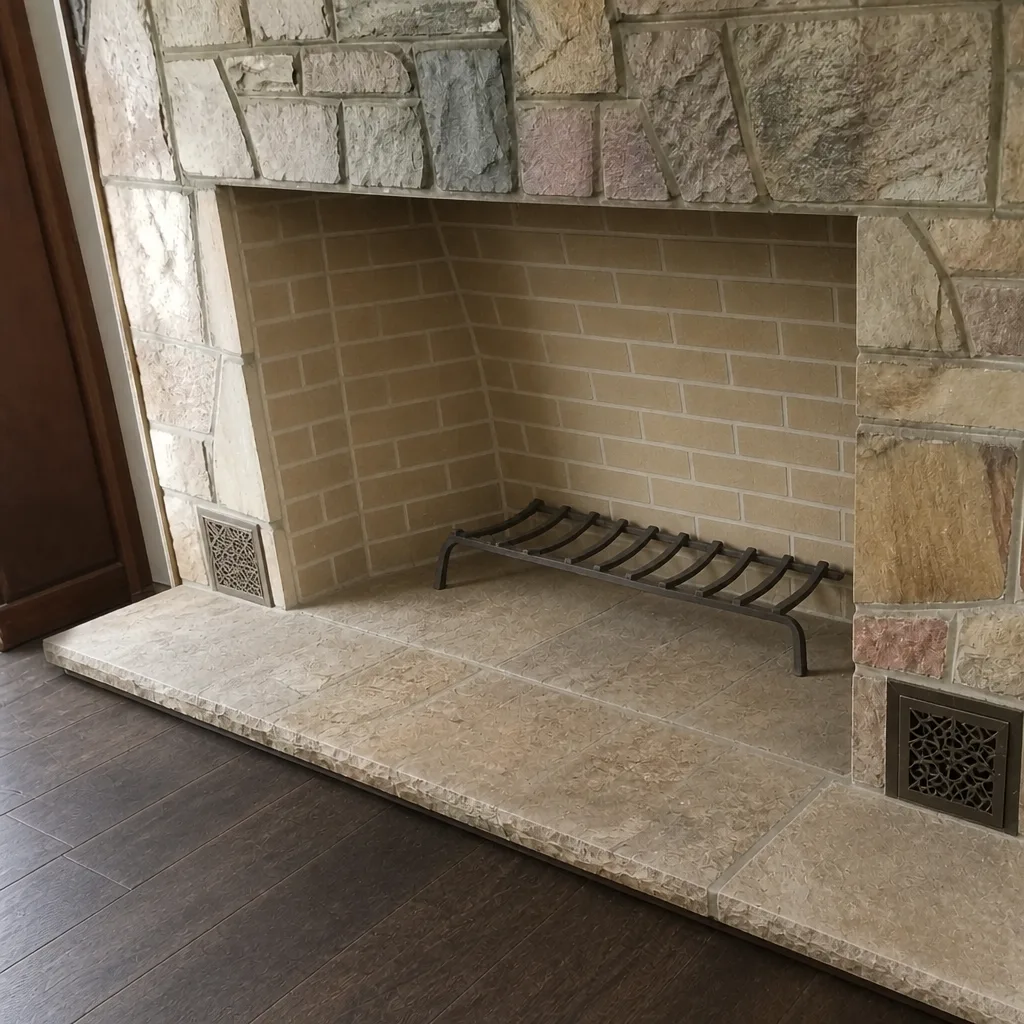
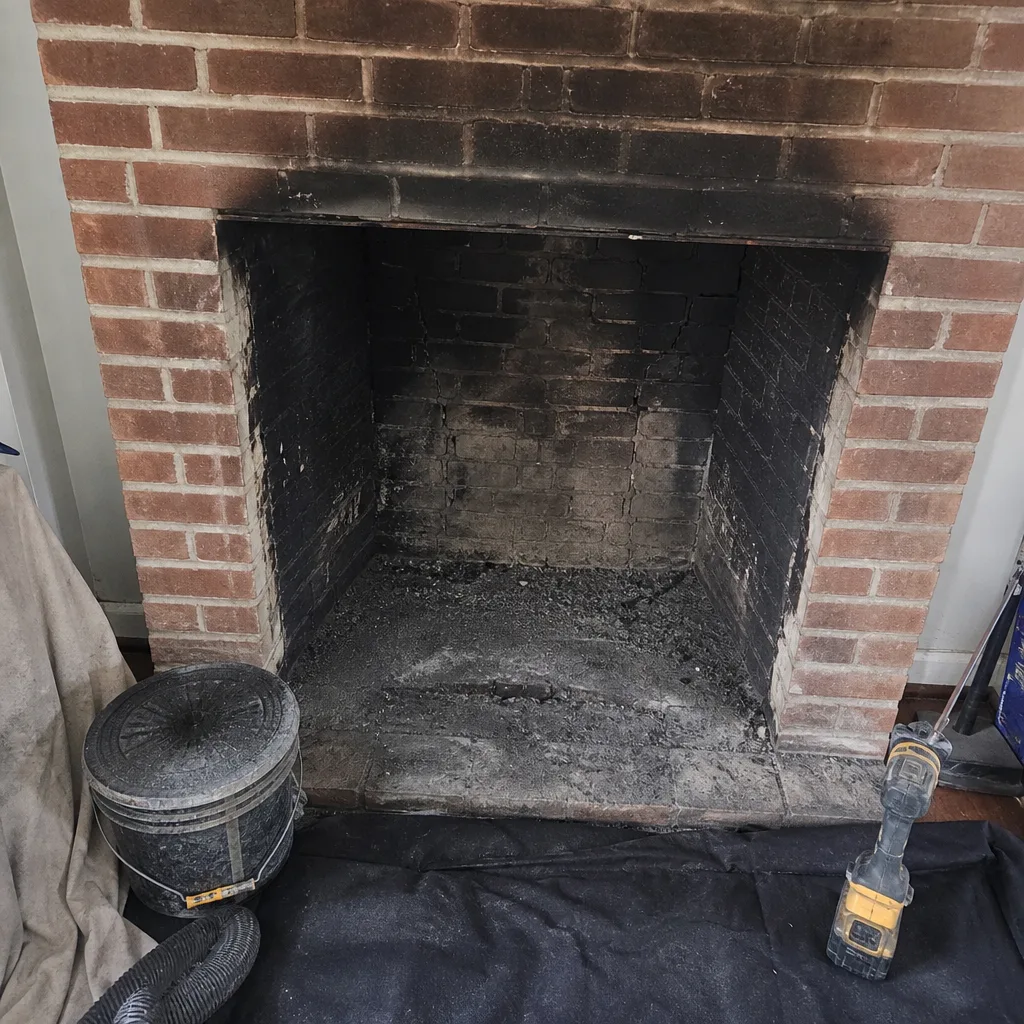
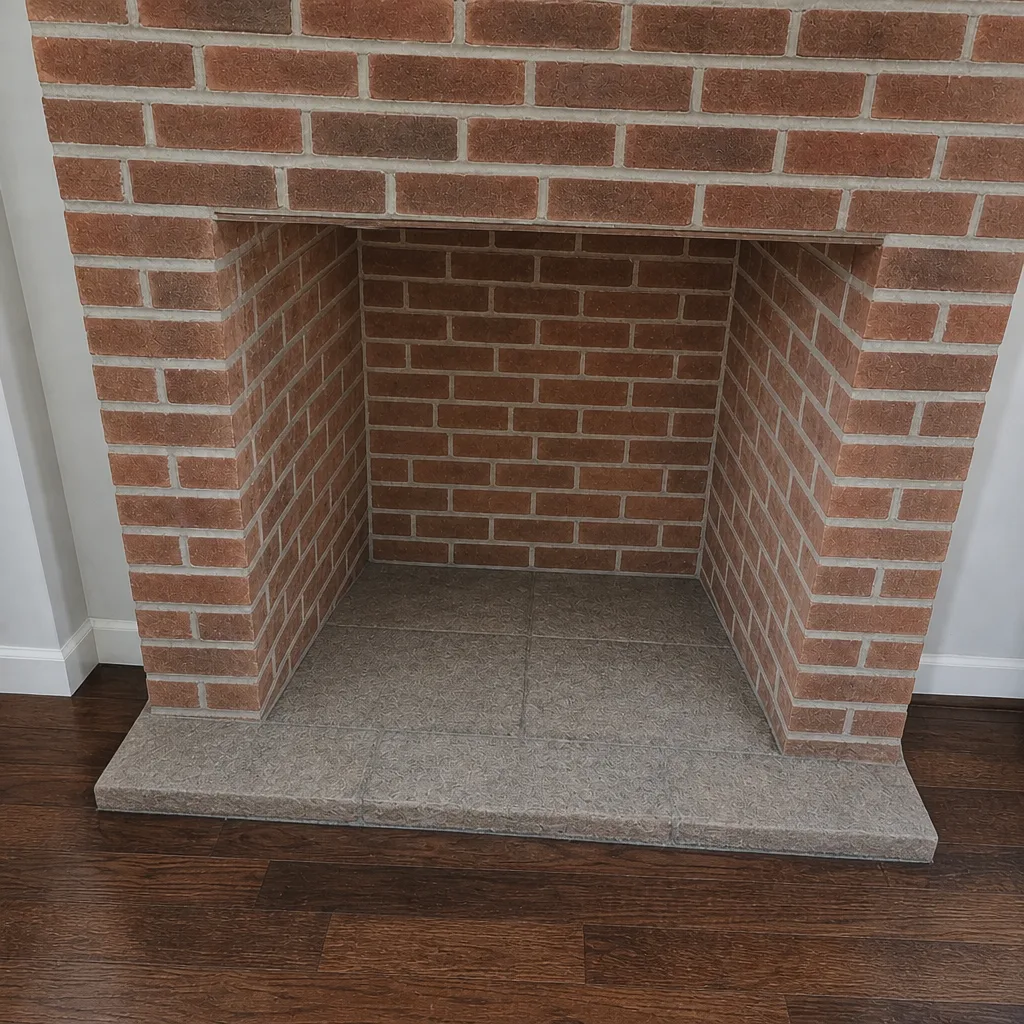
See the difference
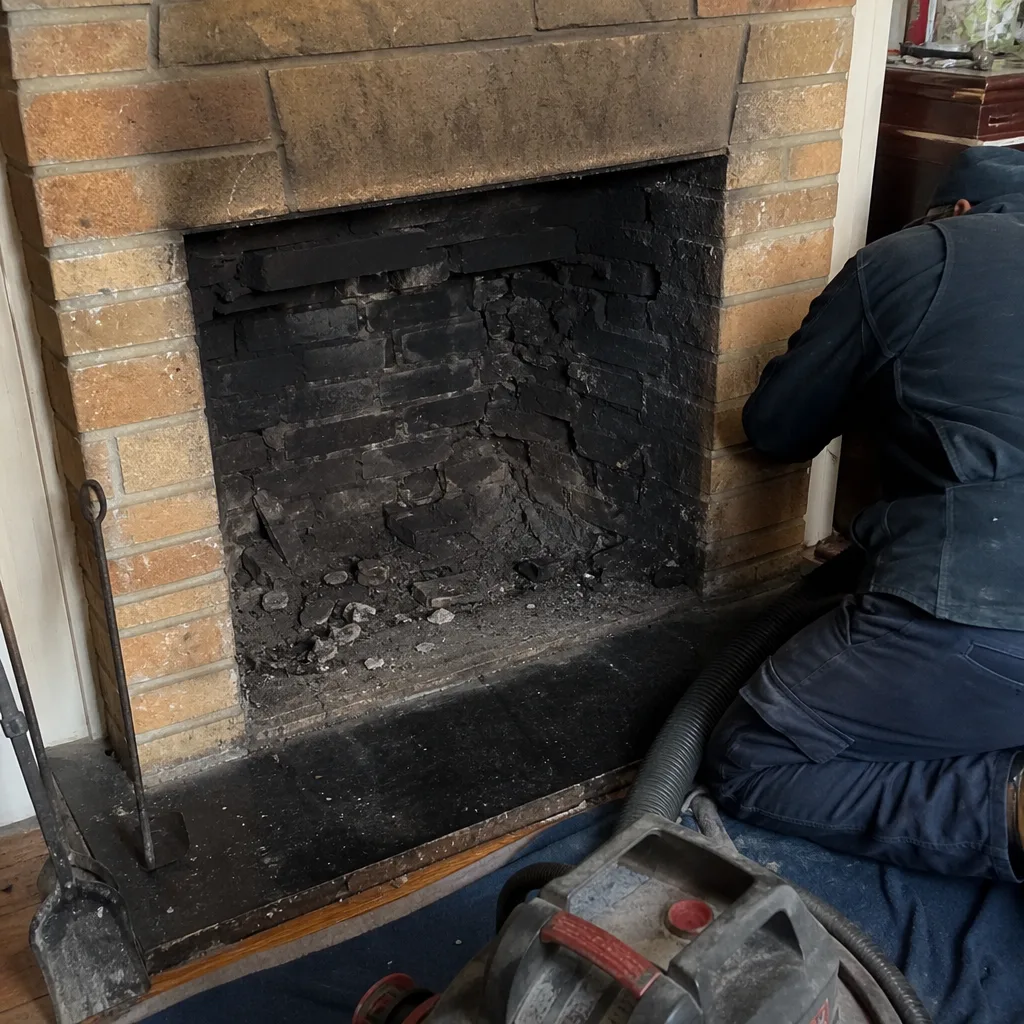 Before
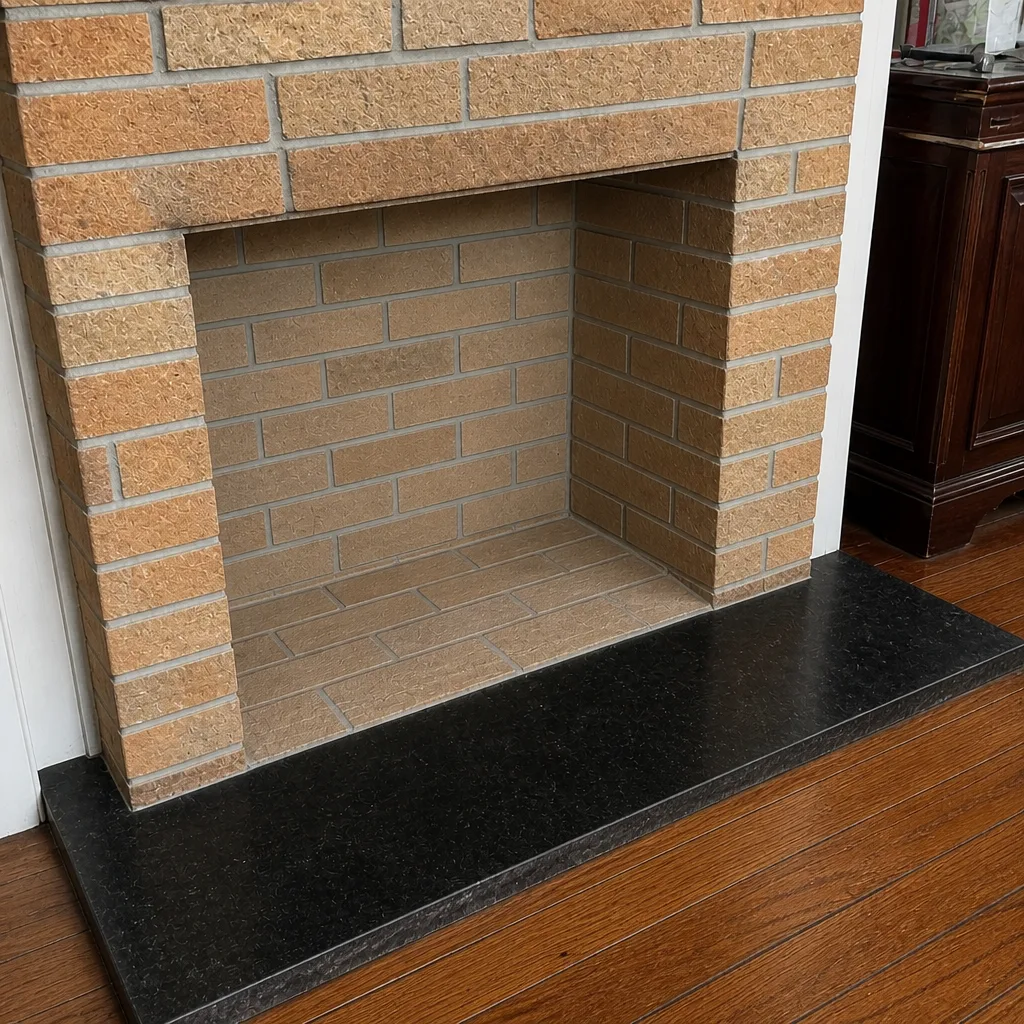 After
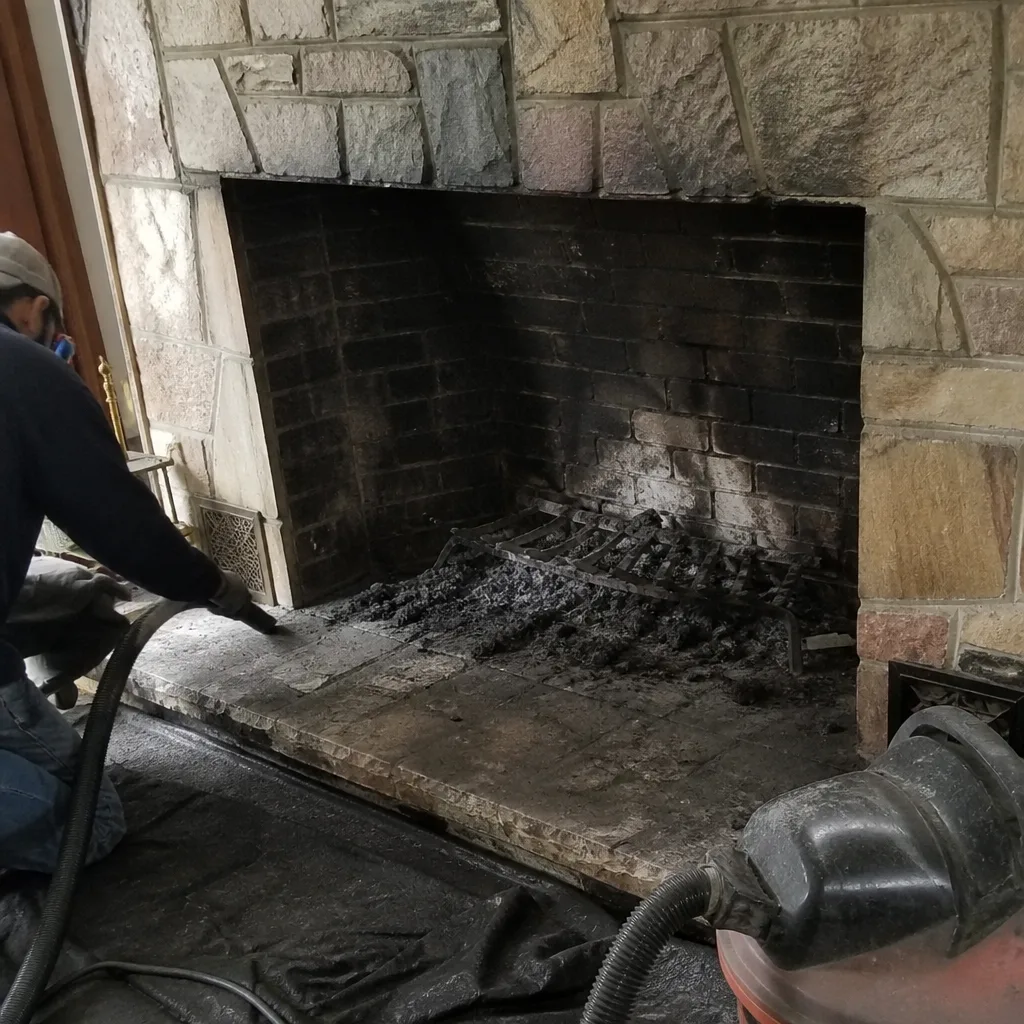 Before
 After
 Before
 After
When to Call a Professional
Call a professional when the flue needs cleaning and you can’t see the inside, when a camera inspection is needed to know whether a liner is sound, when anything gas-related is venting into the chimney, when the damper won’t close or the firebox shows cracked firebrick, and when a crown crack, spalling brick, or missing cap appears on your walk-around. Also call before a home sale or purchase if you don’t have a recent inspection report, and any time a prior sweep said work was needed and you want to see the evidence yourself before agreeing. Every one of those is a job for a trained technician, not a homeowner and not a handyman. Chimney Sweep East Flatbush offers free estimates in East Flatbush; call (844) 932-2112. We answer 24/7, and fast dispatch runs from 7am to 7pm, Sunday through Friday.
Frequently Asked Questions
Once a year for most wood-burning fireplaces, and every year if a gas appliance vents into the flue, with the sweep timed before the heating season. A heavy user should consider a second check mid-season, and any fireplace that has sat unused for a full year should be inspected before its first fire back. The annual sweep is the baseline, and the twice-a-year exterior walk-around is what catches the freeze-thaw damage between sweeps. Call (844) 932-2112 to book the pre-season sweep.
Spalling brick means water has entered the brick, frozen, and pushed the outer face off, exposing the softer material underneath. It’s a direct sign that freeze-thaw damage is active, and it’s one of the checks you can see from the ground. A single spalled brick is a repair to watch. A pattern of them, or spalling with a visible mortar gap behind, needs a look before winter tightens it further. Call (844) 932-2112 and we’ll assess it.
No – a rarely used fireplace is often the one with the most unknown problems, because nobody has looked. A flue that sits idle all year can collect debris, a missing cap can let birds and rain in, and a damper can seize closed. The annual sweep is also the check that confirms the liner is sound, which lighter use doesn’t change. Call (844) 932-2112 for a free estimate on the sweep.
High-efficiency gas appliances send cool, damp exhaust into a masonry flue designed for hotter gases, so the water condenses on the inside of the flue and combines with combustion byproducts into an acidic liquid that damages mortar and lining. The fix depends on whether the flue is correctly sized for the appliance and whether the lining is sound, which is a camera-inspection question rather than a cleaning one. Call (844) 932-2112 to arrange an inspection.
An inspection should produce a written condition report you can file with your home records, and that report is the document insurers and buyers ask for. Our standalone inspection service is designed for pre-sale, post-purchase, or annual review, and it’s separate from the cleaning so the report is thorough rather than a line at the end of a sweep. Call (844) 932-2112 to book one.
A skipped season usually shows up as water entry or a stuck damper first, not as a dramatic failure, because the damage is slow. The realistic risk is that a small crown crack or a mortar joint becomes a repointing job, and a light creosote deposit becomes a heavier one that has to be removed before the next fire. Skipping also leaves no written record for insurance or a future sale. Call (844) 932-2112 for a free estimate and get the schedule back on track.
The Bottom Line
A chimney maintenance checklist for East Flatbush is two checklists in one. The ten-minute ground-level walk-around catches spalling brick, efflorescence, mortar gaps, and crown cracks before they become structural, and it’s the early-warning system your annual sweep can’t replace. The interior checks with a flashlight catch the damper and smoke-chamber problems, and the odor patterns point to what’s happening inside the flue. Behind both is the annual professional sweep and inspection, timed before the heating season and paired with a written log for insurance. Follow the seasonal timing for Brooklyn’s freeze-thaw cycle, respect the line between safe DIY and warranty-voiding DIY, and keep the cameras-in-the-flue work in a technician’s hands. That’s what keeps a chimney sound season to season.
If you’d like a sweep, an inspection with a written condition report, a chimney cap & crown repair, or a second opinion on work you’ve been told you need, Chimney Sweep East Flatbush is ready to hear from you. Call (844) 932-2112 for a free estimate. We answer 24/7. Fast dispatch from 7am to 7pm.
Written by the team at Chimney Sweep East Flatbush.