
Last updated November 22, 2026
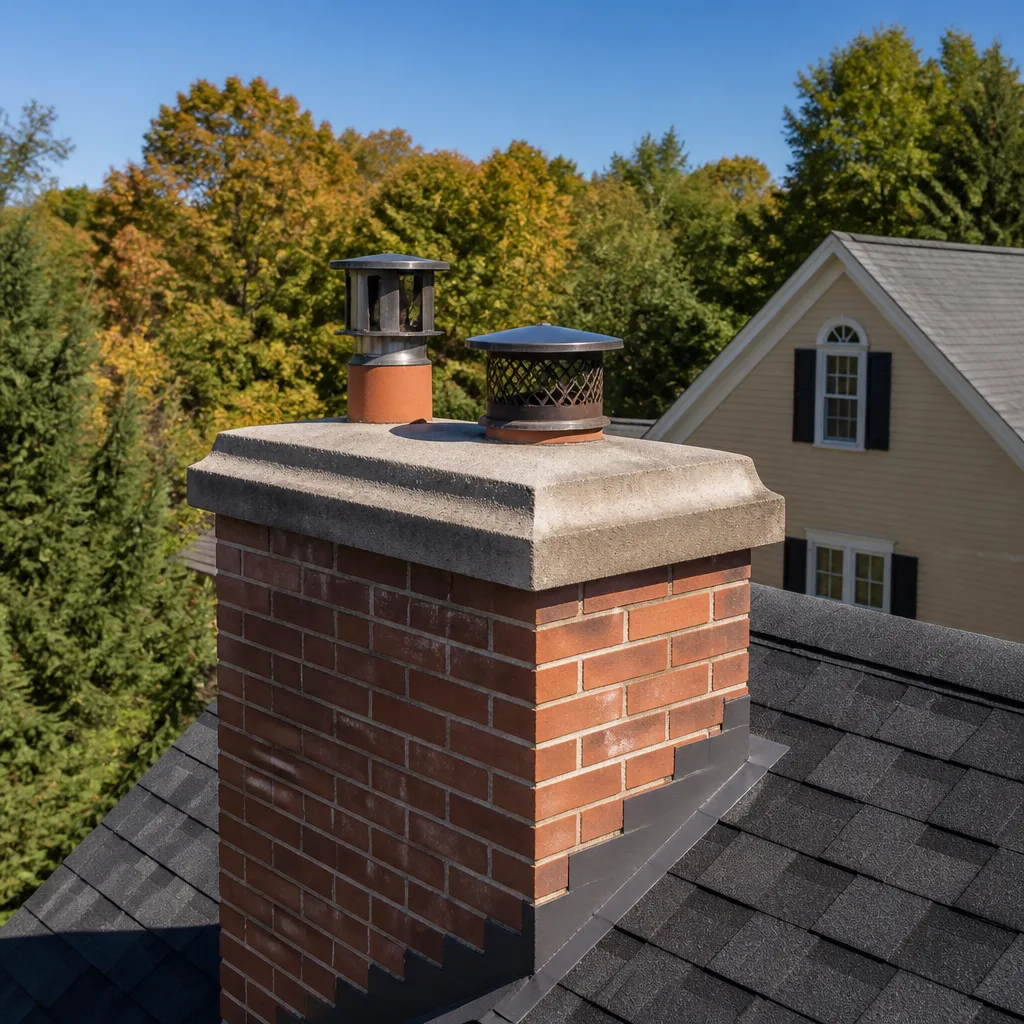 Sweep & inspection
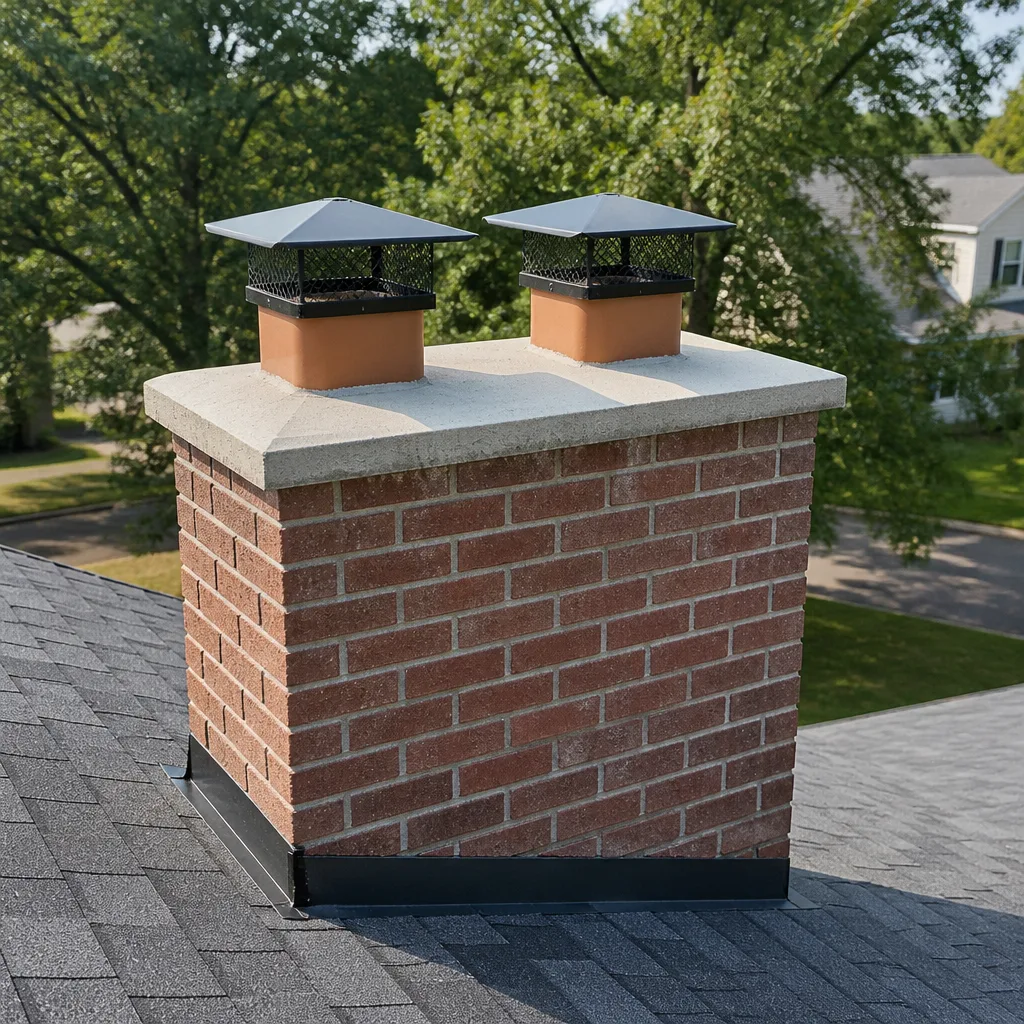 Caps & crowns
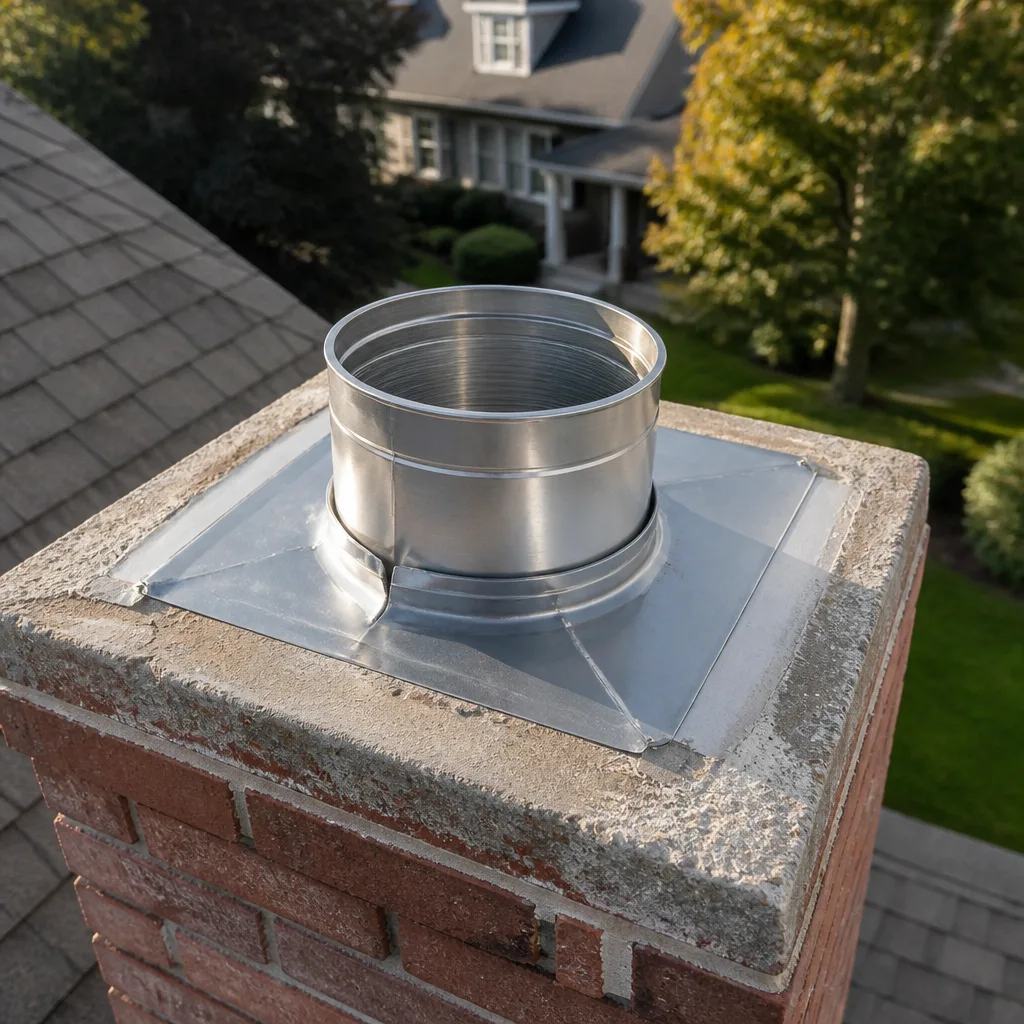 Flue relining
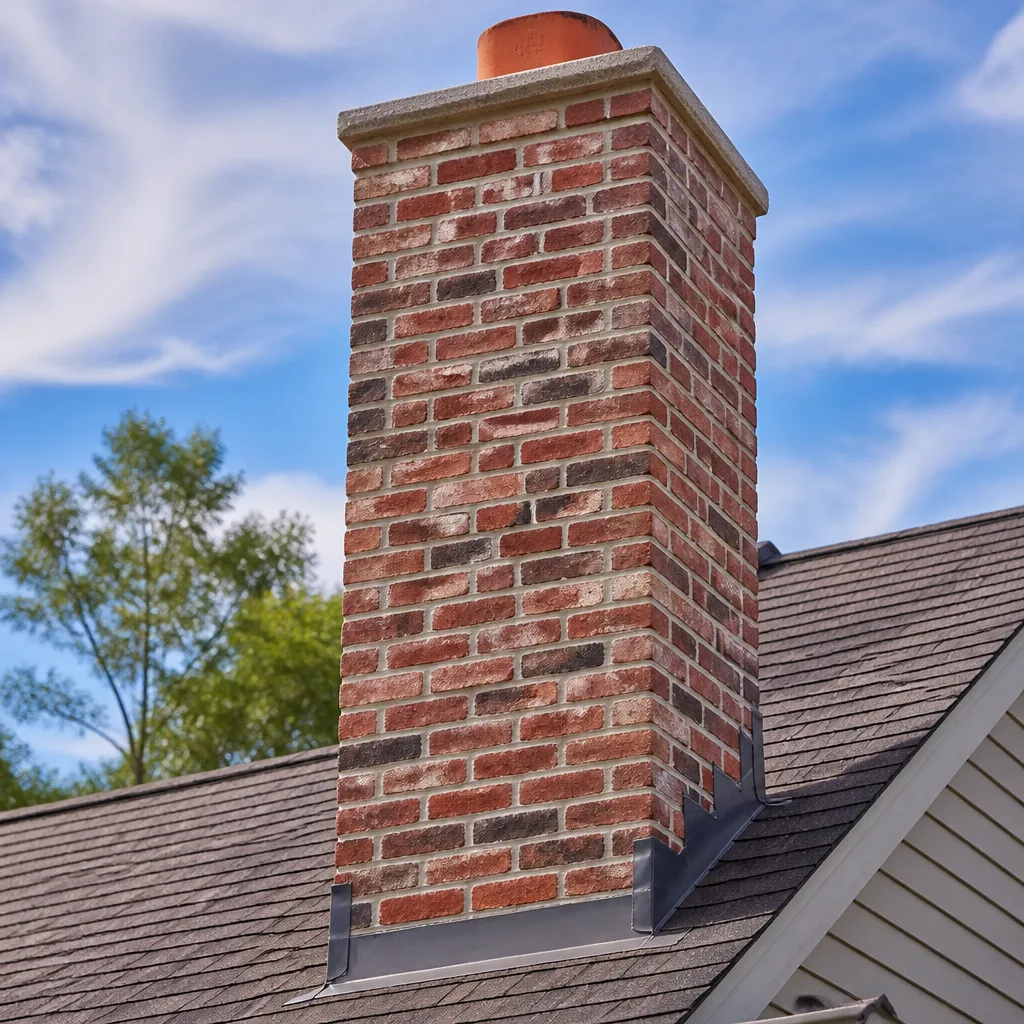 Masonry repair
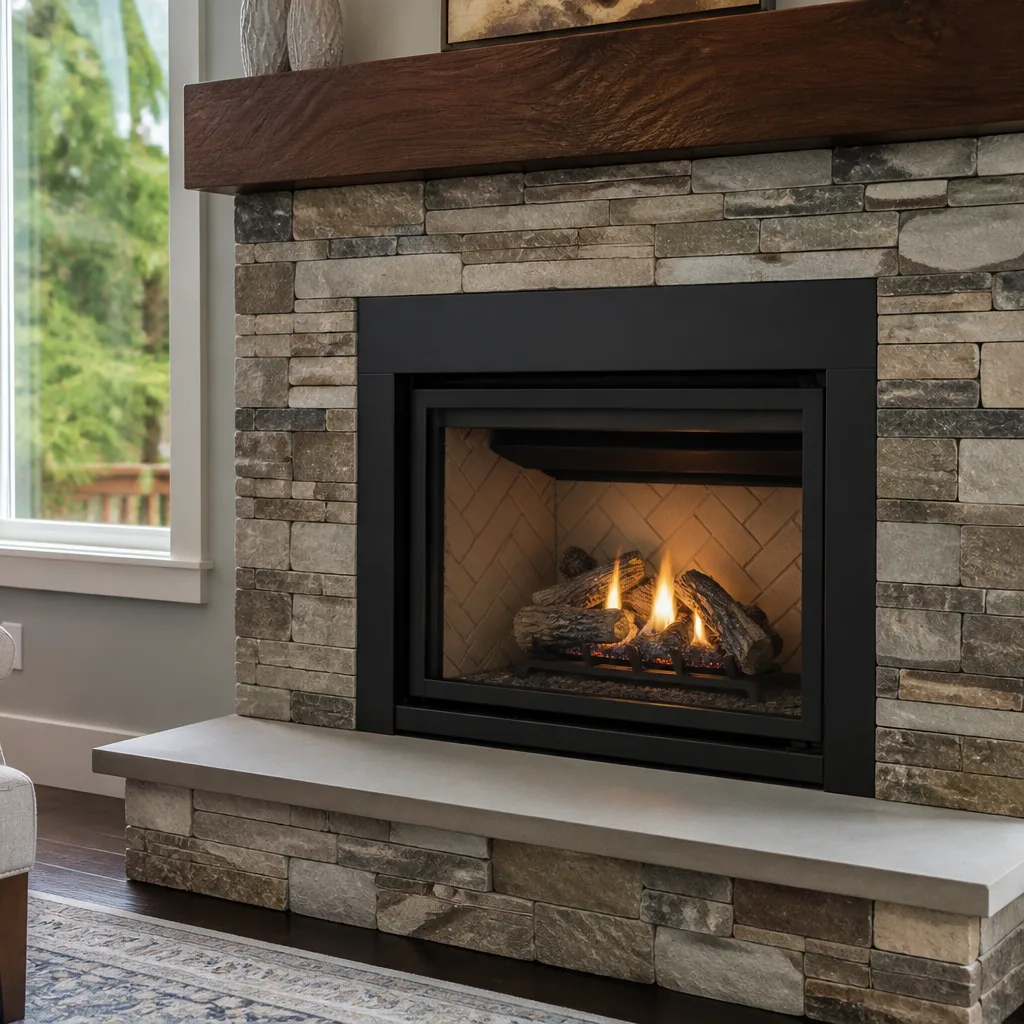 Gas fireplace service
Level 1 sweep and inspection to the NFPA 211 annual standard - flue, crown, cap, and flashing checked and photographed
Chimney sweep logs do not sweep chimneys. They loosen some creosote - which then falls where a brush and vacuum still have to collect it.
Chimney Cleaning Permits, Codes & Inspections in East Flatbush, NY: What You Need to Know
Most homeowners assume the permit question ends with the sweep. It doesn’t. Cleaning a flue is maintenance, and maintenance doesn’t need a permit. But the cracked tile, the loose crown, the cap that’s come free, the liner section that’s spalled – the repairs a sweep often turns up – sit on the other side of a legal line that New York City enforces through its building code, its Department of Buildings, and its Fire Department. Cross that line without a filing and your homeowner’s insurance policy can have grounds to deny a fire-related claim years down the road. This guide walks East Flatbush property owners through exactly where that line sits, when a licensed master plumber enters the picture, how FDNY inspection rules apply to multi-family buildings, and how to pull prior DOB filings before you hire anyone.
Quick Answer
Routine chimney cleaning and sweeping do not require a permit under the New York City Building Code – it’s classified as maintenance. Repairs and alterations to the chimney structure or flue, including liner replacement, cap installation on some buildings, and crown rebuilds, may require a Department of Buildings filing such as an Alt-2 or an SB application, and a licensed master plumber or approved contractor may need to pull that permit. Multi-family properties in East Flatbush also fall under FDNY inspection requirements that are separate from your annual sweep.
Styles & brands we work with
- Sweep & inspection
- Caps & crowns
- Flue relining
- Masonry repair
- Gas fireplace service
Table of Contents
- Maintenance vs. Repair: Where the Permit Line Actually Sits
- Alt-2, SB, and What Each DOB Filing Actually Covers
- When a Licensed Master Plumber Enters the Picture
- How FDNY Inspection Requirements Interact With Cleaning
- Local Law 11 and Exterior Chimney Work on Attached Buildings
- How to Pull Prior DOB Filings on Your Chimney
- Inspection vs. Cleaning: Two Different Services
- Records You Should Keep After Any Chimney Work
Maintenance vs. Repair: Where the Permit Line Actually Sits
The New York City Building Code treats chimney sweeping the way it treats changing a furnace filter – as routine maintenance. No filing, no inspection by a city agency, no paperwork with the Department of Buildings. You hire a chimney sweep, they brush the flue, they clear the firebox, they document what they find, and you get a receipt. That’s the end of it.
The line moves once the work changes the structure. Here’s the working distinction we use when we explain it to East Flatbush homeowners:
- Maintenance (no permit): Brushing and vacuuming the flue, removing creosote and soot, cleaning the firebox, clearing an obstruction such as a bird’s nest or a fallen cap, replacing a damper handle, cleaning glass doors.
- Repair (permit may apply): Replacing flue tiles, relining a chimney with a new liner or a resurfacing product like HeatShield, rebuilding a crown, replacing a cap, repointing mortar joints on the chimney stack, rebuilding the smoke chamber.
- Alteration (permit and filing required): Changing the flue configuration, adding a flue, converting a wood-burning fireplace to a gas insert that changes the venting, structural work to the chimney breast inside the building envelope.
If a sweep tells you a flue tile is cracked and needs replacement and hands you an estimate that involves pulling a permit, that’s a sign you’re working with someone who understands the code. If a sweep offers to swap a liner “for cash, no paperwork needed,” that’s the moment to ask questions. The permit is protection for you, not a formality for the contractor.
Alt-2, SB, and What Each DOB Filing Actually Covers
New York City’s Department of Buildings uses specific filing types, and each one covers a different scale of chimney work. Knowing what each does helps you read a contractor’s filing plan before you sign anything.
An Alt-2 is an alteration application for work that changes the use, occupancy, or egress of a building without changing the bulk of the structure. For chimneys, this comes up when a liner replacement changes the venting characteristics of an appliance, or when a fireplace is changed from wood-burning to gas and the venting must be reevaluated under the code. An Alt-2 filing typically requires plans and a licensed design professional to sign off.
An SB application covers smaller-scale construction or alteration work that’s generally filed by a licensed contractor rather than an architect. Chimney repairs that don’t change the building’s use but do affect structure often fit here. A crown rebuild, a chimney stack repair, or a lintel replacement can land in this category depending on scope.
The important takeaway for East Flatbush owners of attached brick rowhouses and small multi-families: even if your sweep says “we don’t need a permit for this,” ask specifically which filing they’d use if one were needed, and why they believe it isn’t. A contractor who doesn’t know the answer isn’t the right one to reline a chimney.
Liner material choice matters here too. We work in DuraFlex stainless liners for full relining and HeatShield for resurfacing, and both have documentation the DOB appreciates seeing in a filing – product specifications, listings, installation requirements from the manufacturer. That paper trail is one more reason a professional-grade material is worth specifying.
When a Licensed Master Plumber Enters the Picture
This is the part most homeowners never hear about. Chimney work in New York City intersects with the plumbing code in ways that aren’t obvious.
Any work on a gas venting system – the flue serving a gas boiler, a gas water heater, or a gas fireplace insert – is plumbing work under the NYC code, not just chimney work. A licensed master plumber is the trade allowed to sign off on modifications to gas venting. If your boiler shares the chimney with the fireplace, and a liner replacement changes the vent sizing for that boiler’s flue, the work may need the involvement of a licensed master plumber in addition to the chimney contractor.
What that means practically in East Flatbush:
- Identify what shares your chimney. If more than one appliance vents into it, the flue sizing is a code question, not just a cleaning question.
- Ask your sweep whether the work touches a gas vent. If it does, confirm that a licensed master plumber will be part of the filing.
- Check the contractor’s scope in writing. A relining estimate that doesn’t mention gas venting is either not touching it or missing it entirely – find out which.
- Verify the licensed professional. The local pro we connect you with is licensed and insured as their state requires, and for gas-venting work that includes the master plumber licensing where required.
We handle the chimney scope and can identify when a gas vent is involved, and we’ll tell you plainly when the job needs a master plumber’s sign-off. Our own scope is the chimney and fireplace side: inspection, cleaning, cap and crown, chimney repair, and fireplace repair.
How FDNY Inspection Requirements Interact With Cleaning
East Flatbush has a substantial stock of two- and three-family homes, small apartment buildings, and mixed-use properties along the commercial corridors. For those buildings, the FDNY has its own inspection layer that runs parallel to – and separately from – the annual cleaning.
The Fire Department enforces chimney and venting safety through periodic inspections of interior and exterior chimney conditions on certain building types, and through its review of violations it has issued. A cleaning does not satisfy an FDNY inspection requirement, and an FDNY inspection does not replace a cleaning. They’re different functions:
- Cleaning removes creosote and soot so the flue can vent safely. It’s a maintenance task with no city filing or inspection.
- FDNY inspection is a fire-safety review of the chimney’s condition, venting adequacy, and compliance with the code. It can produce violations that must be corrected.
- Both can trigger repair work. An FDNY inspection that finds a deteriorated flue or a defective cap will require repair, and that repair may require a DOB filing.
For a mixed-use building in East Flatbush – say a ground-floor restaurant with apartments above – the venting of cooking equipment and the venting of residential flues both come under scrutiny. The kitchen exhaust for commercial cooking and the chimney flue for a wood-burning appliance or boiler are separate systems with separate rules, but they share the same building. If you own a mixed-use property and haven’t had the chimneys reviewed recently, an inspection is the sensible first step before any cleaning or repair estimate.
What we don’t do is pretend the FDNY inspection and the cleaning are interchangeable. When we inspect and clean, we hand you a condition report you can use if the FDNY asks: what we found, what was wrong, what was repaired, and when.
Local Law 11 and Exterior Chimney Work on Attached Buildings
East Flatbush is dense with attached rowhouses and mid-rise brick buildings. When chimney work goes outside the building envelope – rebuilding a chimney stack that projects above the roofline, repairing the exterior masonry where the chimney meets the roof, replacing the crown on a shared chimney – that work can get swept into broader façade compliance requirements under Local Law 11 and the FISP (Façade Inspection and Safety Program).
The interaction matters because a chimney repair on a tall attached building isn’t just a chimney job. It’s exterior masonry work on a façade. If your building is subject to a FISP cycle and a chimney is part of the exterior wall condition, coordination is required between the chimney work and the façade review. Doing the chimney work in isolation, without a filing that accounts for the exterior scope, can create problems when the façade inspection comes around.
What that means in practice:
- Determine the building’s height and class. FISP requirements apply to buildings above a specified height, and the rules scale with building size. Ask whether your building falls under the cycle.
- Confirm the chimney’s relationship to the wall. An interior chimney that doesn’t project through the façade is one thing. A chimney that is part of the exterior wall on a tall building is another.
- Get the scope in writing. A rebuilding scope should specify what’s being replaced and how it ties back to the rest of the exterior wall.
- Coordinate the timing. If a façade inspection cycle is in progress or about to start, the chimney work should be planned with it, not around it.
We can address the chimney-side scopes – crown repair, cap chimney cap & crown work, and chimney repair – and we’ll flag plainly when a building’s height or classification pulls a job into façade territory that needs a different trade or a design professional.
How to Pull Prior DOB Filings on Your Chimney
Before you hire anyone for repair work, you can check what filings already exist on your building. The Department of Buildings maintains an online portal, DOB NOW, that allows property owners and the public to search permit filings, complaint history, violations, and certificates of occupancy by address. Many East Flatbush buildings have a paper trail going back years, and sometimes a filing from a prior owner will tell you exactly what was done and when.
Here’s a step-by-step for pulling chimney-related filings on your property:
- Go to the DOB NOW public portal. The public-facing side requires no login for basic property searches.
- Search by property address. Include the borough and the street number with any hyphenation as it appears on your deed or tax bill.
- Review the permit history. Look for filings with descriptions containing “chimney,” “flue,” “liner,” “masonry,” or “crown.” Each filing will show the filing type (Alt-2, SB, etc.), the filing contractor, the date, and the scope of work.
- Check the violations section. Prior chimney-related violations, if any, will show up here along with their disposition.
- Download or print what you find. Bring copies to any contractor conversation. It’s the fastest way to know whether the work you’re being quoted is already permitted or newly required.
Two notes. First, older filings may have been paper-based and may not appear online; a records request may be needed. Second, if a contractor tells you a permit was pulled and it doesn’t appear in the DOB NOW system, that’s a conversation to have before work starts. It’s a red flag worth catching early.
Inspection vs. Cleaning: Two Different Services
A chimney inspection is not a checkbox at the end of a cleaning. It’s a standalone service, and when it’s done properly it produces a condition report that has use beyond the appointment itself: it can support a real estate transaction, a post-purchase review, an insurance claim, or a repair plan.
The three levels of chimney inspection have specific scopes:
- Level 1 inspection: A visual review of the readily accessible portions of the chimney, firebox, and venting. Standard for an annual review when no changes have occurred in the heating system or appliance type.
- Level 2 inspection: Adds examination of accessible areas of the chimney interior and any concealed areas, typically with a camera. Standard after a change in fuel type, a change in appliance, a property sale, or an event that may have damaged the chimney.
- Level 3 inspection: Includes access to concealed areas through a wall or other construction work when a Level 1 or Level 2 inspection reveals a serious issue that needs direct visual review. This is not routine.
For East Flatbush homeowners, the Level 2 inspection is the one most often needed and least often performed. If you’re buying a rowhouse with a fireplace, if you’ve just changed from wood to gas, or if the last owner’s repair history is unclear, a Level 2 inspection is the sensible starting point. It’s the inspection that tells you what your permit history search alone cannot: the condition of the flue interior.
We perform chimney inspections as a standalone service. That’s not the same as a cleaning plus a quick look. If what you need is a condition report you can hand to a buyer, a lender, or an insurance company, tell us up front so we bring the camera and document the findings to that standard.
Records You Should Keep After Any Chimney Work
The reason to care about permits and filings is that they’re the paper trail that protects you later. A fire claim, a property sale, a post-purchase dispute, an insurance underwriting review – all of them turn on the question of whether the work done to your chimney was done properly and legally. Keep the following:
- The permit filing copy, if one was pulled. With the DOB application number, the filing contractor, and the scope.
- The certificate of inspection or completion. Whatever the filing produced on completion.
- The contractor’s written estimate and scope. Signed, dated, and itemized.
- The inspection report. Level 1 or Level 2, with camera imagery if it was taken.
- Material specifications. Liner product and manufacturer, cap and crown materials. We use DuraFlex, HeatShield, Gelco, and Olympia Chimney on the jobs where those materials are specified, and we provide the product documentation on request.
- The cleaning receipt. Dated, with any findings noted. It establishes the maintenance history.
Insurance policies often ask for this paperwork only after a fire has happened. By then, reconstructing it is difficult. A folder with the last several years of documents is worth the effort.
Common Mistakes to Avoid
- Letting a repair happen without a permit filing. Even small structural repairs to a chimney can require a DOB filing, and work done without one can leave you exposed on an insurance claim years later. Ask what filing is being used before the work starts.
- Assuming cleaning is the same as inspection. A sweep who vacuums the flue and hands you a receipt hasn’t given you a condition report. If you need documentation, request a Level 2 inspection explicitly.
- Overlooking the gas vent in a shared chimney. If your chimney serves a boiler or gas fireplace, changes to the liner or flue sizing can be a plumbing matter that needs a licensed master plumber’s involvement. Ask.
- Missing the FDNY layer on a multi-family or mixed-use building. Owners of two- and three-family buildings and mixed-use properties in East Flatbush sometimes think a cleaning satisfies their inspection obligations. It doesn’t. Know what the building’s actual inspection requirements are.
- Rebuilding an exterior chimney without checking façade obligations. On tall attached buildings, a chimney stack repair can pull into FISP coordination. Ask whether the building is subject to a façade cycle before scheduling.
- Skipping the DOB NOW search. Prior filings tell you what’s been done and whether it was filed. It costs nothing to look, and it can save you from a very expensive surprise.
- Filing paperwork in a drawer, not a folder. The permit and inspection trail only matters when you can find it. Keep the last several years of chimney records together.
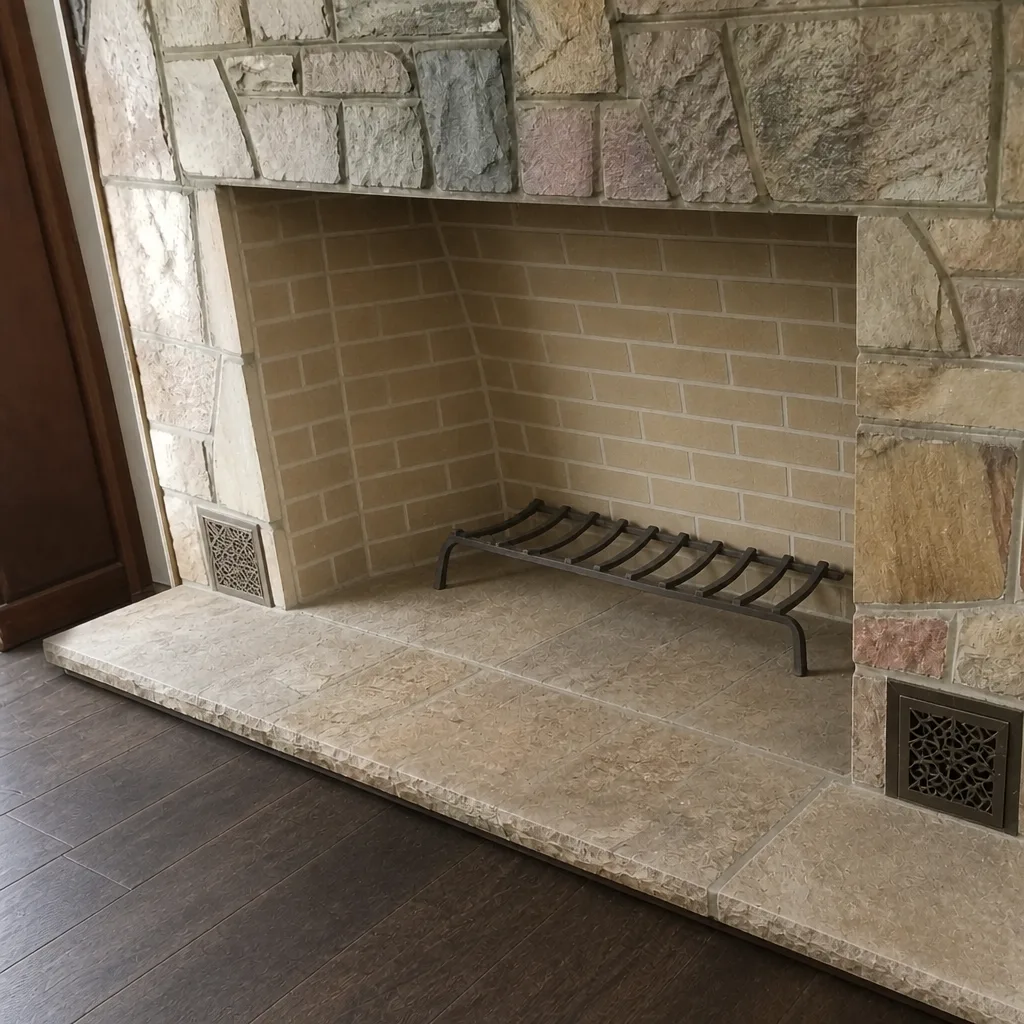
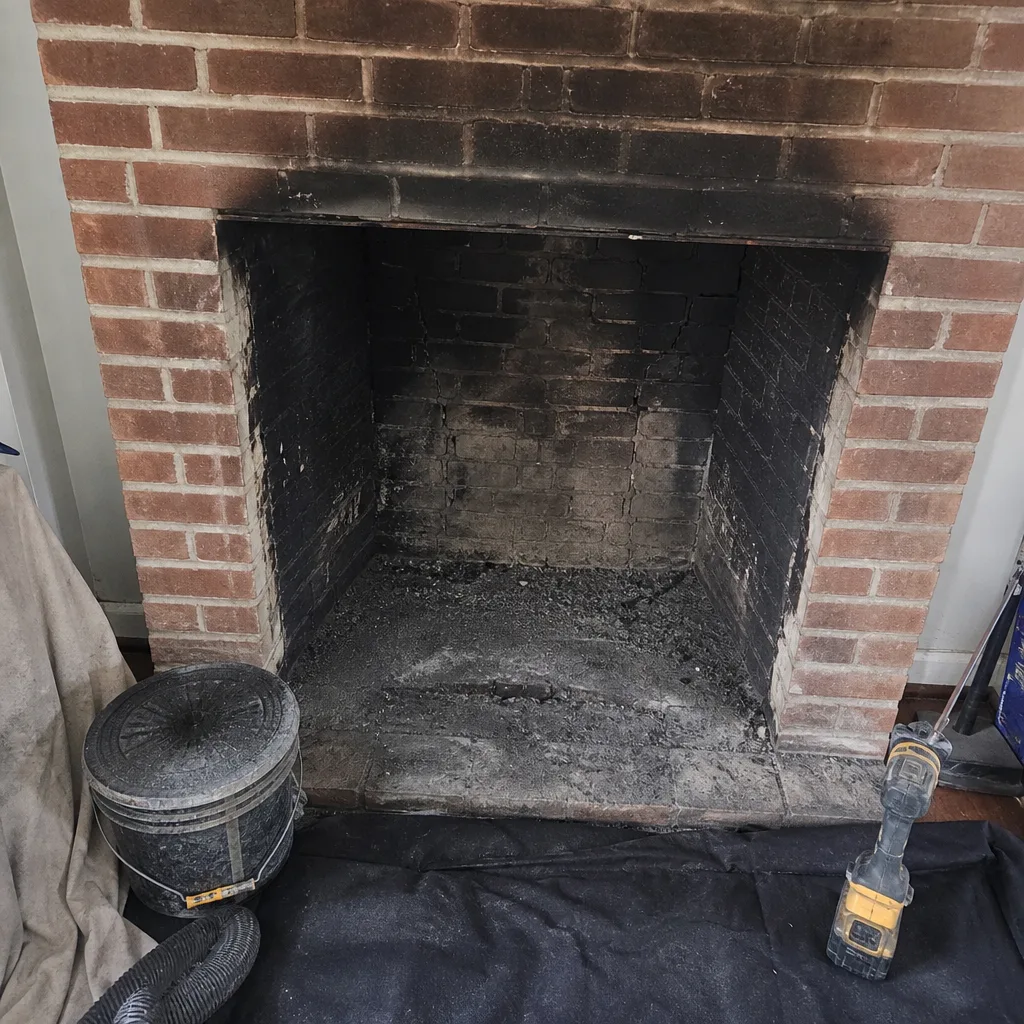
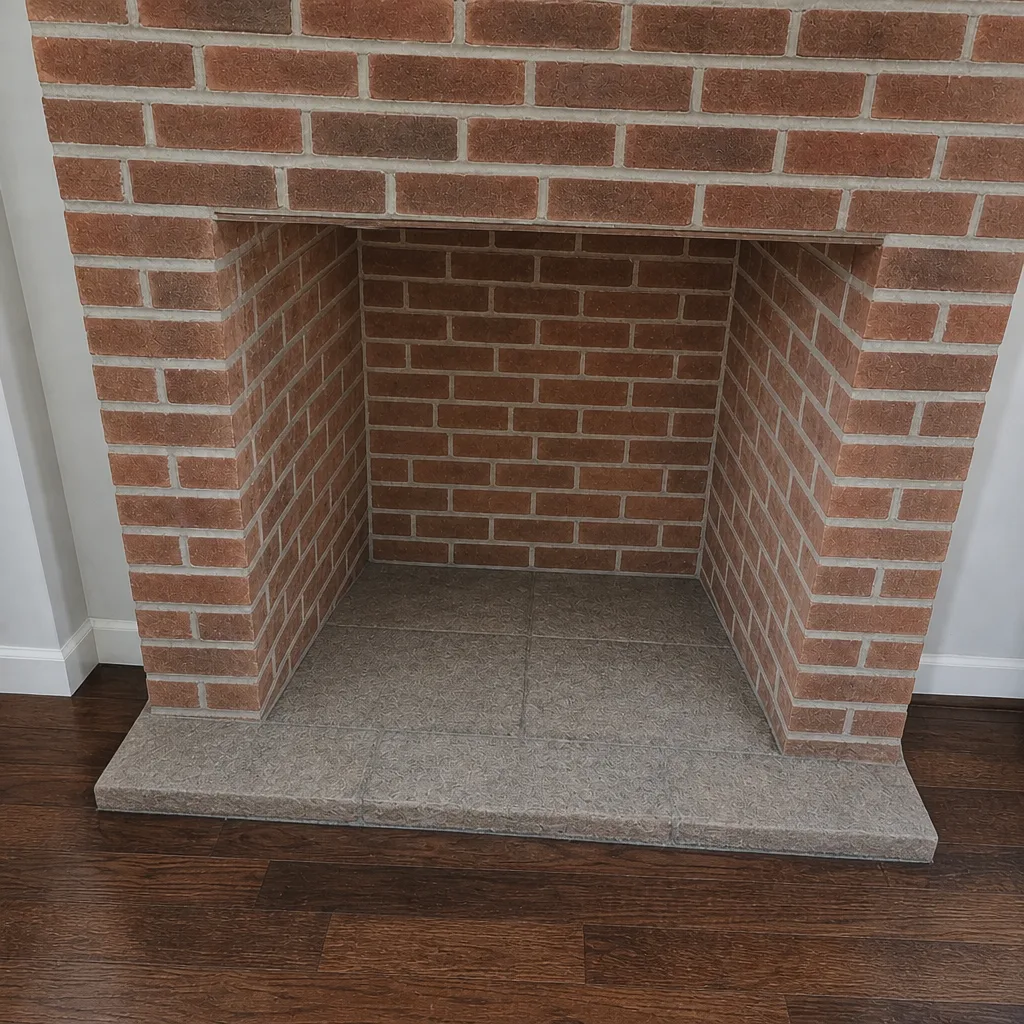
See the difference
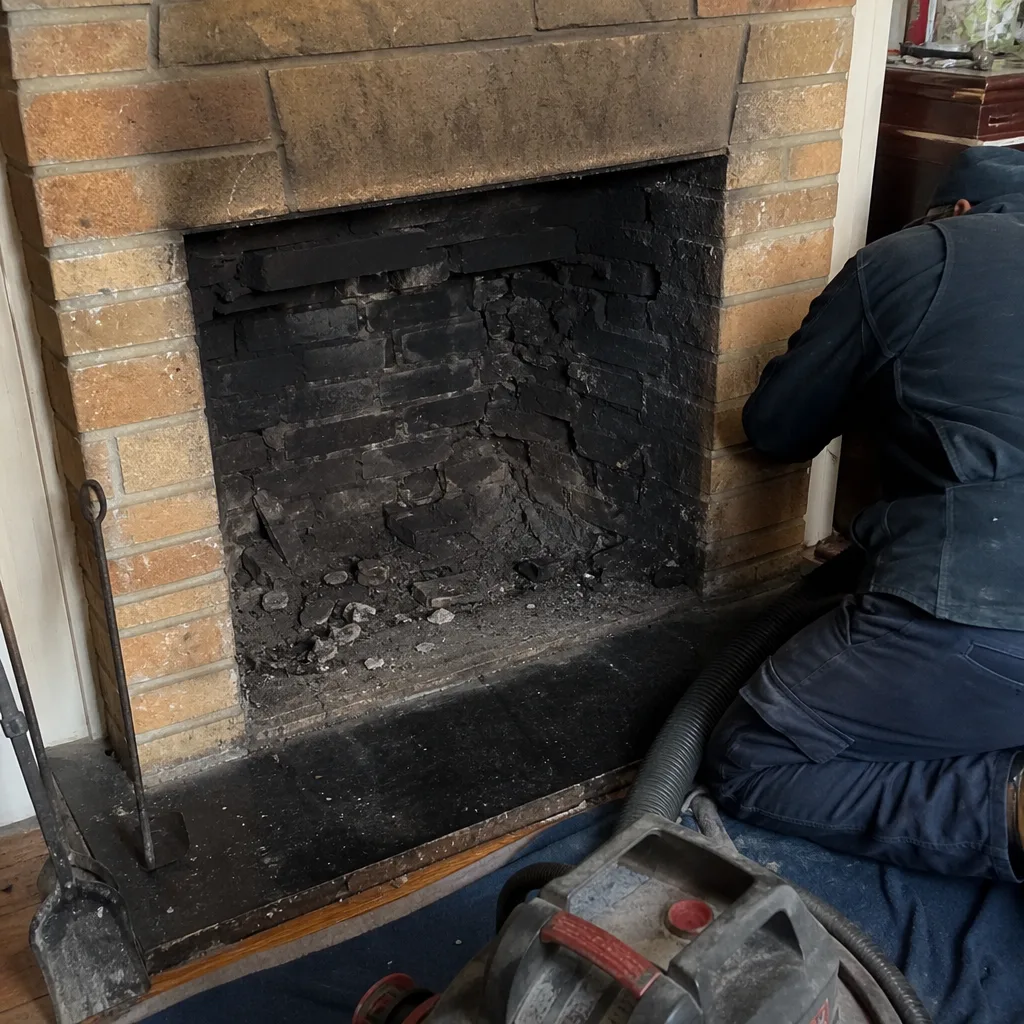 Before
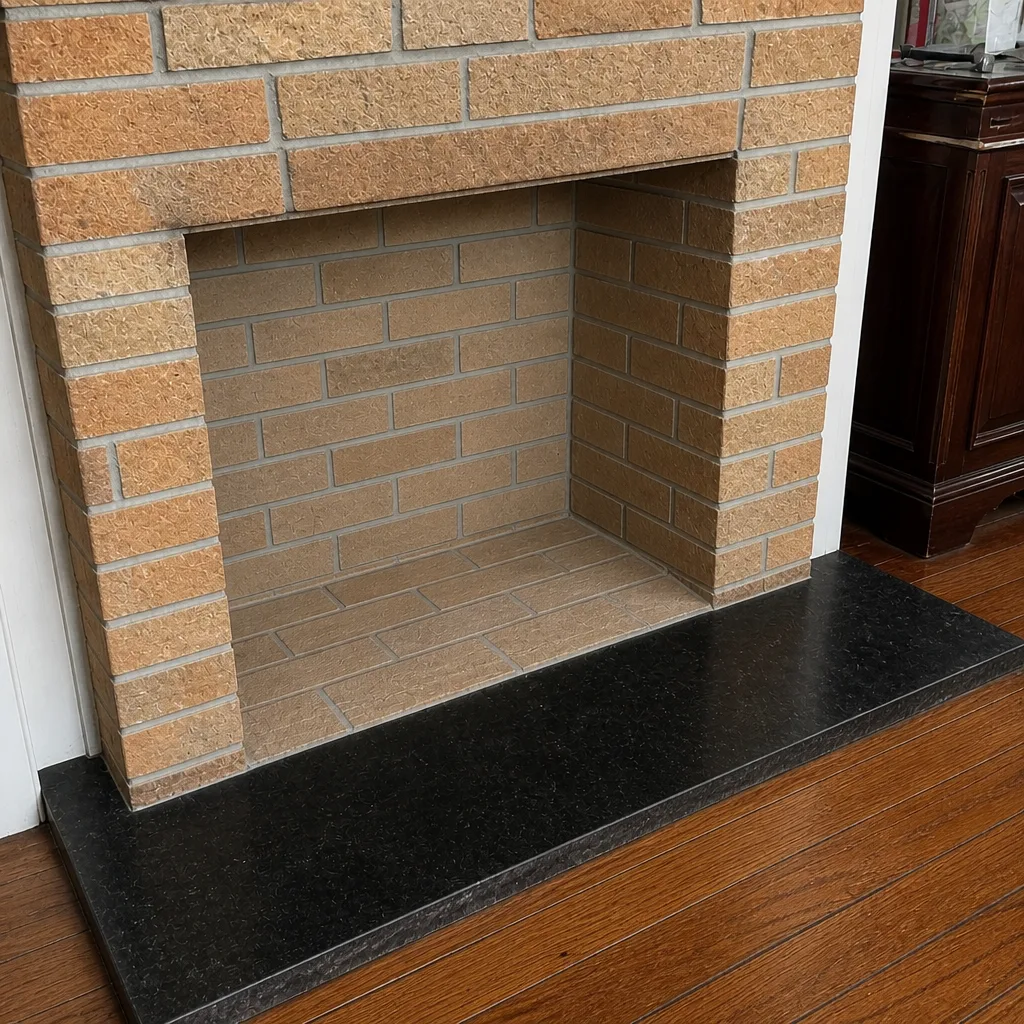 After
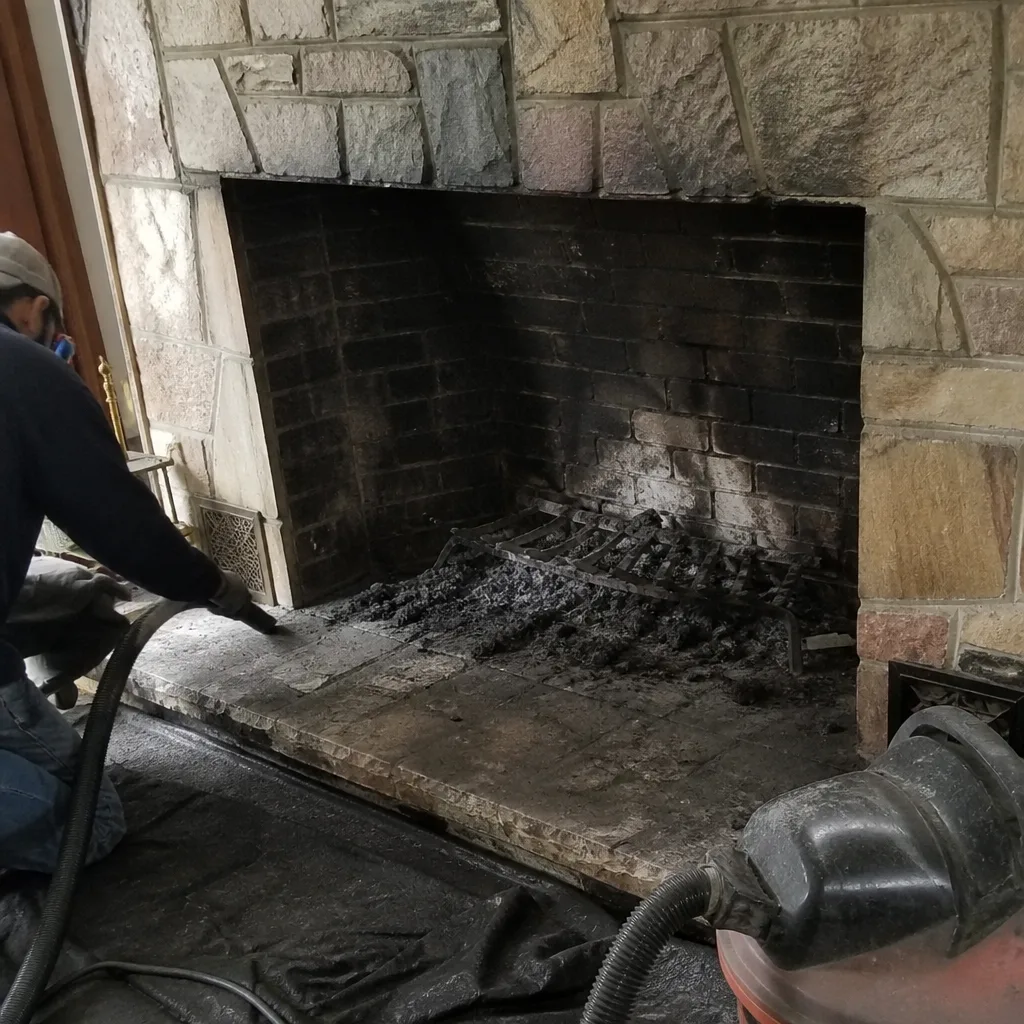 Before
 After
 Before
 After
When to Call a Professional
Call us when the flue hasn’t been cleaned in a year of regular burning or after any season of heavy fireplace use, when smoke is backing into the room, when you smell creosote in warm weather, or when a visible defect – a loose cap, a spalled crown, cracked mortar, a missing brick – appears on an inspection walkaround. Call if you’re buying or selling an East Flatbush property and need a chimney condition report for the transaction. Call if FDNY has issued a violation touching the chimney, or if you’ve never had a Level 2 inspection done on a chimney you’re relying on. Our technicians have up to 12 years of experience and can sort out cleaning from inspection from repair on the first visit. Chimney Sweep East Flatbush offers free estimates in East Flatbush – call (844) 932-2112.
Frequently Asked Questions
No. Routine chimney cleaning and sweeping is classified as maintenance under the New York City Building Code and does not require a building permit. Cleaning removes creosote and soot and is not construction work. Call (844) 932-2112 to book a cleaning – estimates are free.
It often does. Liner replacement, flue tile replacement, and relining systems that change the venting characteristics of a chimney are classified as repair or alteration work, which may require a DOB filing such as an Alt-2 or SB application. Resurfacing with a product like HeatShield may fall into a different category than full liner replacement, so the specifics of the job determine the filing. Ask your contractor to state plainly whether a permit is required for the scope and why. Call (844) 932-2112 and we’ll walk through your situation – estimates are free.
When the work touches a gas venting system. If a boiler, gas water heater, or gas fireplace insert vents into the chimney, changes to that vent’s flue sizing or configuration come under the plumbing code, and a licensed master plumber’s sign-off may be required. A chimney contractor who doesn’t flag that connection isn’t asking the right questions. Call (844) 932-2112 to discuss whether a master plumber needs to be involved in your scope – estimates are free.
Yes, for certain building types and under certain conditions. The Fire Department enforces chimney and venting safety through inspections and through violations it issues, which is separate from the annual cleaning. Multi-family buildings and mixed-use properties are more likely to see this layer than single-family homes. If you’ve received an FDNY notice touching your chimney, address it promptly. Call (844) 932-2112 to schedule an inspection and cleaning so you have a current condition report – estimates are free.
Search the DOB NOW public portal by property address. Permit filings with descriptions touching chimney, flue, liner, masonry, or crown work will appear with the filing type, contractor, and date. Bring whatever you find to a contractor conversation, and ask each estimate to account for the existing filing history. If the search turns up nothing and you’re planning a repair, call (844) 932-2112 to talk through what’s needed – estimates are free.
Once a year for a chimney in regular wood-burning use, plus a Level 2 inspection at transition points such as a property purchase or a fuel change. A chimney used only occasionally can go longer between cleanings but should still be inspected annually for signs of deterioration. East Flatbush’s mix of older rowhouses and small multi-families often means original-era masonry, so an annual look is the sensible baseline. Call (844) 932-2112 to schedule – estimates are free.
The Bottom Line
Cleaning doesn’t need a permit; repair and alteration often do. That single distinction is what separates a homeowner who has a documentation trail years from now from one who doesn’t. Check DOB NOW before you hire. Ask your contractor what filing a repair would use and why. Watch for the plumbing code on shared chimneys, the FDNY layer on multi-family and mixed-use buildings in East Flatbush, and the façade coordination that comes with exterior work on tall attached buildings. Keep the paperwork. A chimney inspection in East Flatbush is a safety document, not a formality, and the work that gets documented properly is the work that protects you when it matters.
Call (844) 932-2112 for a free estimate. We answer 24/7. Fast dispatch from 7am to 7pm, Sunday through Friday.
Written by the team at Chimney Sweep East Flatbush.