
Last updated November 22, 2026
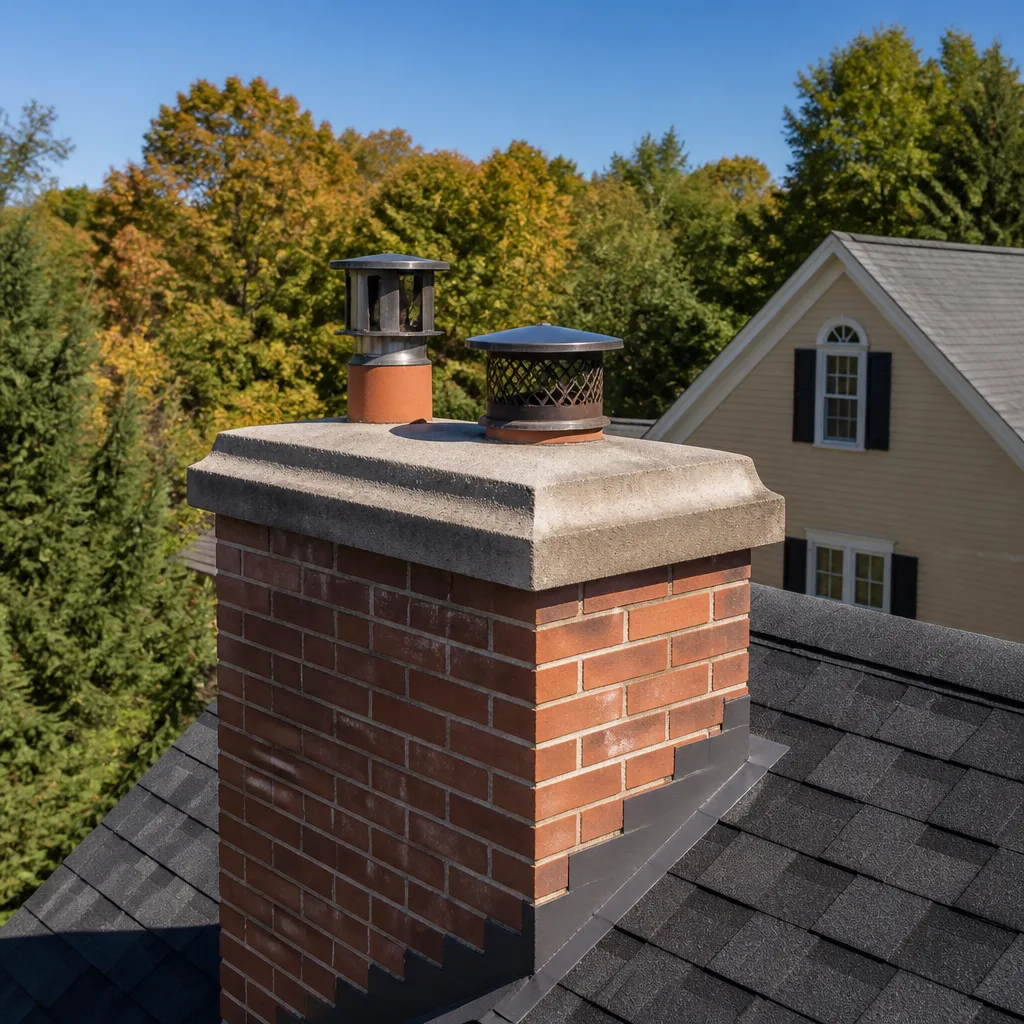 Sweep & inspection
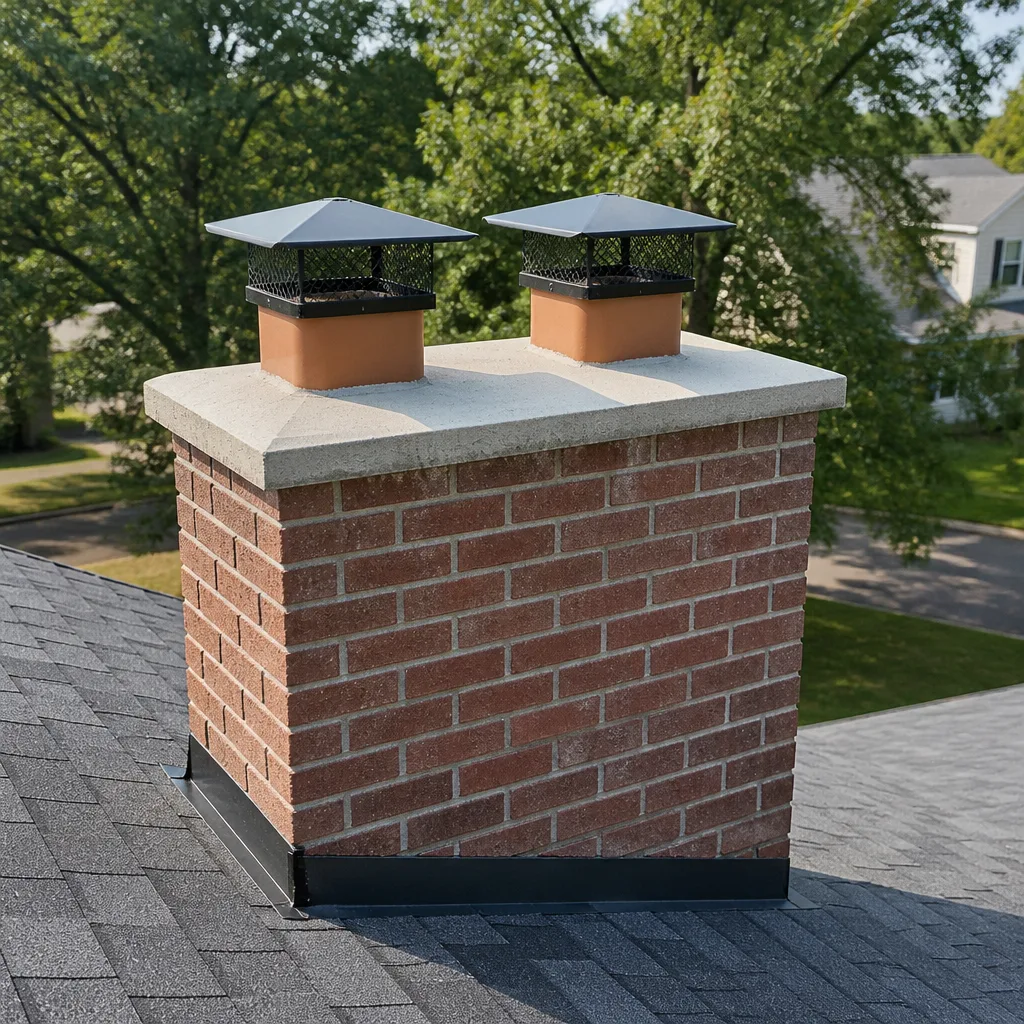 Caps & crowns
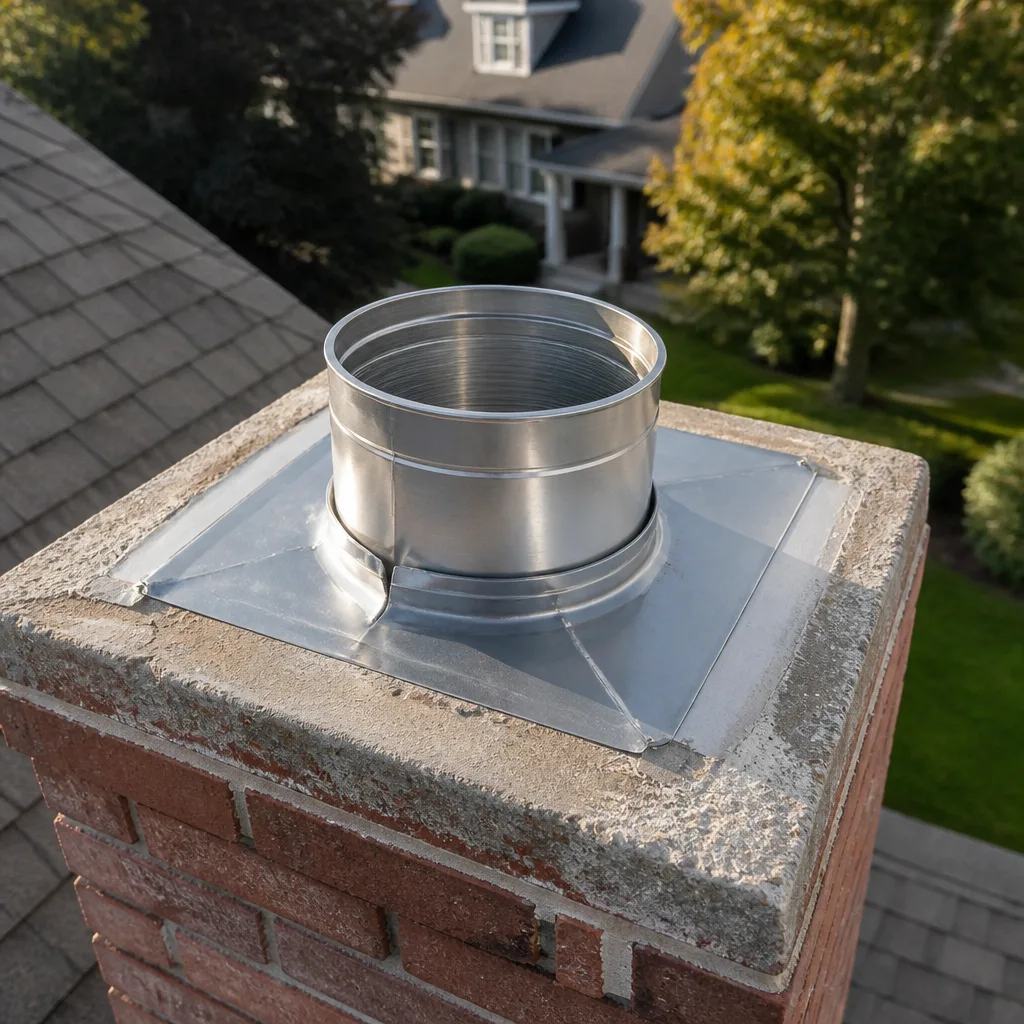 Flue relining
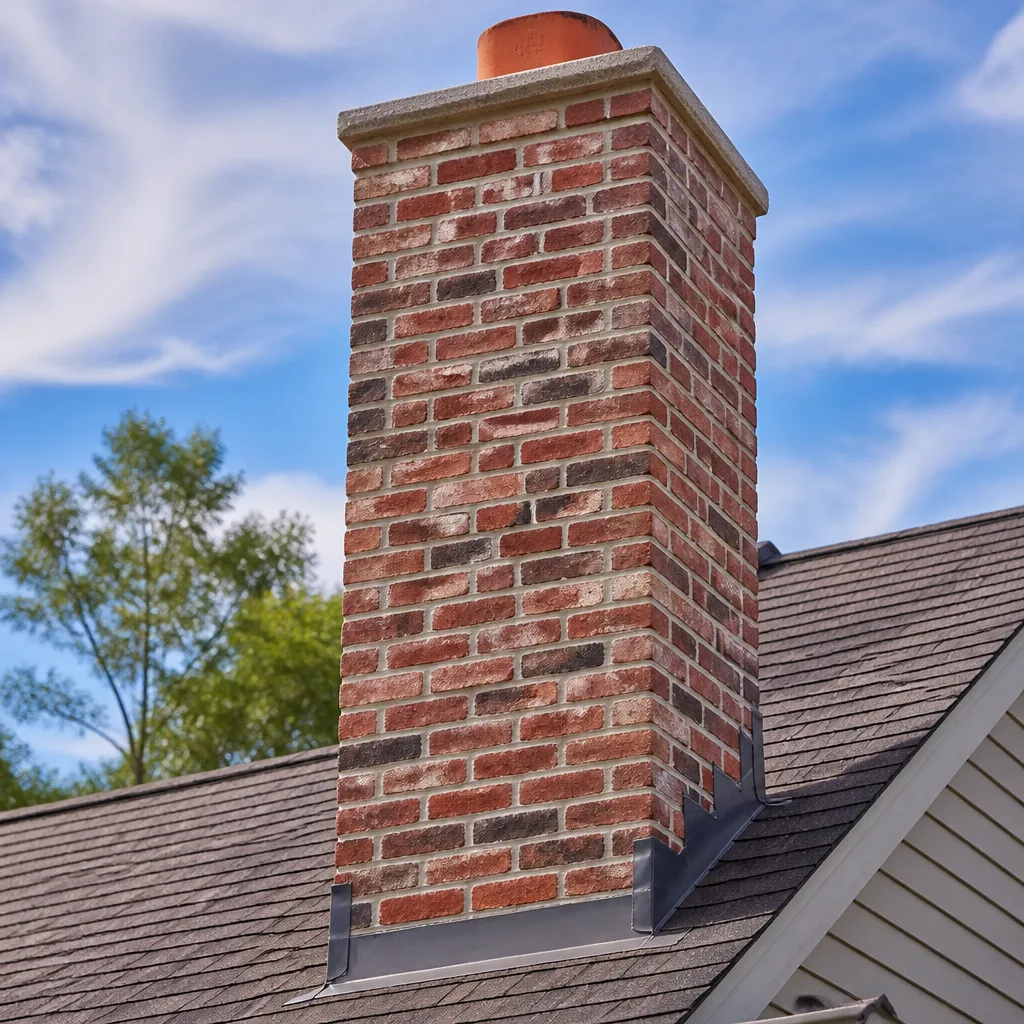 Masonry repair
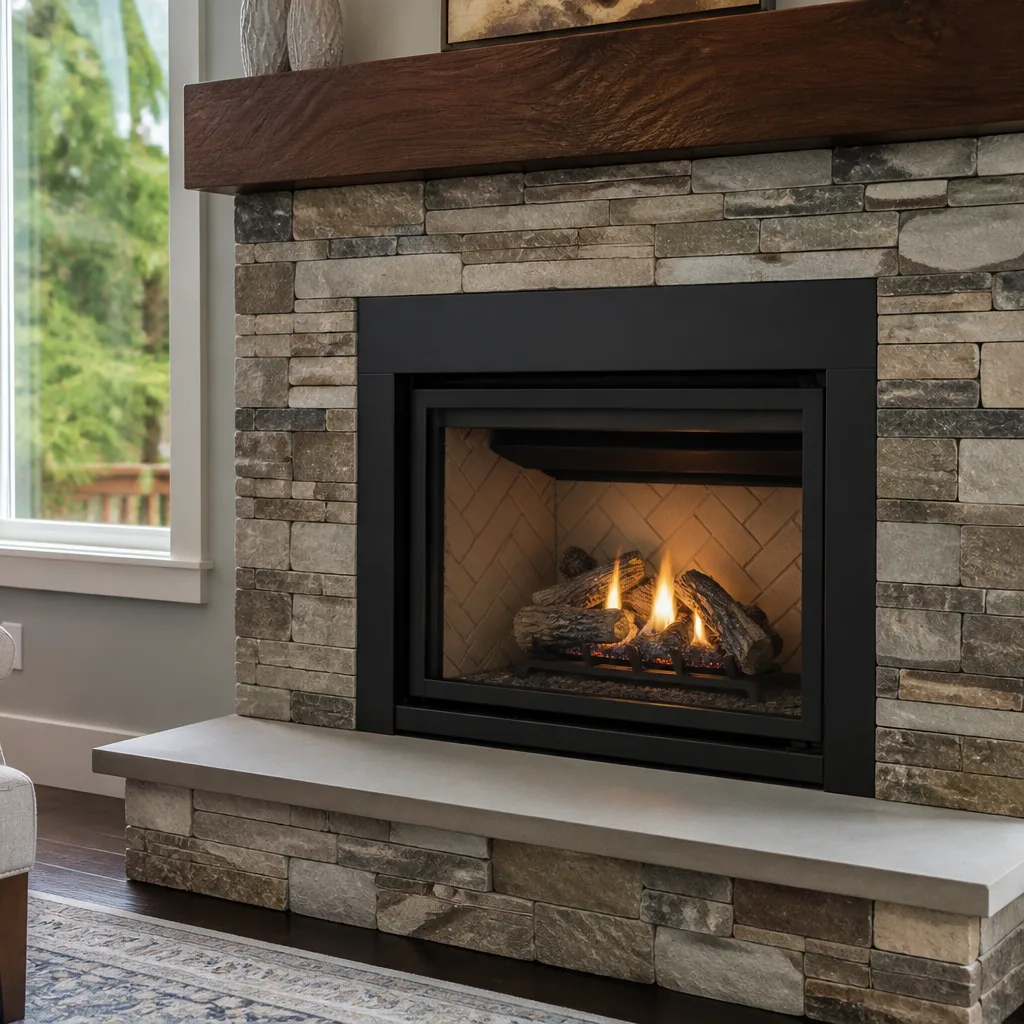 Gas fireplace service
Level 1 sweep and inspection to the NFPA 211 annual standard - flue, crown, cap, and flashing checked and photographed
Chimney sweep logs do not sweep chimneys. They loosen some creosote - which then falls where a brush and vacuum still have to collect it.
Seasonal Chimney Cleaning Care for East Flatbush: Year-Round Homeowner’s Guide
Most chimney fires in Brooklyn don’t happen in the dead of winter. They happen in October and November, when homeowners light the first fire of the season in a flue that collected creosote all spring and then sat damp through a humid summer. That gap between what people assume (winter is the danger season) and what actually happens (the first fire is the riskiest) is the whole reason this guide exists. A chimney in East Flatbush isn’t a seasonal appliance with an off switch. It moves through four distinct phases of stress every year, and each one asks something different of you. What follows is the year-round care calendar we walk homeowners through, season by season.
Quick Answer
Chimney care in East Flatbush is a four-season job, not a single fall sweep. Summer humidity drives acidic condensation damage inside capped flues, fall is the narrow window for a pre-season sweep and inspection, winter calls for mid-season checks for draft changes and odors, and spring is when freeze-thaw damage to brick, crown, and party walls becomes visible. The right task at the right time prevents most of the damage a once-a-year sweep leaves behind.
Styles & brands we work with
- Sweep & inspection
- Caps & crowns
- Flue relining
- Masonry repair
- Gas fireplace service
Table of Contents
- Why East Flatbush Chimneys Don’t Get an Off Season
- Summer: The Damage That Builds While the Fireplace Sits Empty
- Fall: The Pre-Season Sweep and Inspection Sequence
- Winter: Mid-Season Checks During Heavy Use
- Spring: Post-Season Moisture Inspection After Freeze-Thaw
- Seasonal Care by Fireplace Type: Wood Versus Gas
- Common Mistakes to Avoid
- When to Call a Professional
- Frequently Asked Questions
Why East Flatbush Chimneys Don’t Get an Off Season
A chimney’s real enemy isn’t just fire. It’s moisture, and moisture in East Flatbush doesn’t take a break. The neighborhood sits on the coastal plain of Brooklyn, where summers run humid enough that a closed-up house can hold damp air inside the flue for weeks. Then fall arrives cool and wet. Then winter freezes whatever moisture has soaked into the brick. Then spring thaws it. That freeze-thaw cycle is what cracks masonry, and it repeats through the cold months.
Add the housing stock into the picture. East Flatbush has a lot of attached and semi-detached brick homes, and many carry a party wall shared with the neighbor. An exposed brick party wall takes weather on two sides, and when the crown at the top of the chimney starts to fail, water has a direct path down into the flue and into the wall cavity. A single annual sweep in September finds the creosote but can miss the slow water damage that started back in July.
Four seasons, four different jobs
The care calendar breaks down like this:
- Summer: manage condensation inside a capped, unused flue and close it up correctly.
- Fall: sweep and inspect before the first burn, and book it early.
- Winter: watch for draft changes and odors that signal an active liner problem.
- Spring: inspect for moisture damage after the freeze-thaw cycle finishes its work.
Conflating those four into one annual visit leaves predictable problems unaddressed. When we perform a chimney inspection, we look at what the current season has done to the flue, not just at what’s built up inside it. That distinction is the heart of this guide.
Summer: The Damage That Builds While the Fireplace Sits Empty
A chimney that’s capped and clean is a chimney that dries out. A chimney that’s capped and dirty is a different story. Creosote, soot, and the mineral residue left on the flue walls are mildly acidic, and when summer humidity condenses on those surfaces, the moisture mixes with that residue into a corrosive film. It sits there, warm and damp, against the liner for months. This is one of the least discussed chimney problems in East Flatbush, and it’s completely invisible from the living room.
Why an unused flue is not a resting flue
The flue doesn’t go dormant when you stop burning. Air moves through it, and that air carries moisture. A capped flue with no fire to dry it out holds that moisture longer than an open one. The result is a slow, quiet deterioration of the liner surface. Clay tile liners, common in older East Flatbush homes, are especially vulnerable to this spalling over time.
What to do before you close up for the season
- Schedule a post-season sweep. Clearing creosote and soot before summer removes the material the humidity reacts with.
- Check the cap and its screen. A cracked or loose cap lets rain in. We carry Famco and Gelco cap components so sizing and fit are handled on the visit rather than ordered and delayed.
- Confirm the damper closes fully. A damper that won’t seal lets humid air straight into the flue all summer.
- Look at the crown from the ground. Any visible crack in the crown at the top is a water entry point worth fixing before the wet season.
If the flue hasn’t been cleaned since the last fire, don’t cap it and walk away. Clean it first. The cap protects a clean flue; it traps a dirty one. Our chimney sweep visits are the practical way to close out the season correctly.
Fall: The Pre-Season Sweep and Inspection Sequence
Fall is the single most important window on the calendar, and September is the month to use it. The first fire of the season is the riskiest fire of the year, because it burns in a flue that has spent months accumulating creosote and then months sitting damp. Creosote ignites more readily when it’s dry and there’s a lot of it. That’s the chimney fire risk window.
Why September and not October? Because everyone else waits for the first cold snap, and the schedule fills up. Booking the sweep in September means the work gets done before the backlog, and any repair found during inspection has time to be scheduled before you want to burn. Waiting until the night before your first fire puts you in a queue behind every other homeowner doing the same thing.
The pre-season sequence
- Sweep the flue. Remove creosote and soot so the inspection can actually see the liner and connectors.
- Inspect the full system. That includes the firebox, damper, smoke chamber, flue, cap, and crown, not just the flue interior.
- Review the condition report. A clear report tells you what’s good, what needs attention now, and what can safely wait.
- Do the repairs that matter before the season starts. A cracked crown or a cap with a failed screen lets water and animals in, and both are worse in winter.
We work with the same materials certified chimney specialists rely on nationwide, so the inspection isn’t just a look and a shrug. If the liner shows damage, we can talk about options before the season starts rather than after a draft problem appears. That’s where a standalone inspection earns its keep: a chimney inspection produces a written condition report you can act on, use for a real estate transaction, or share with your insurer. It’s a safety document, not just a formality.
Why the fall visit should include the cap and crown
The cap and crown take the worst of the weather year-round. Fall is the natural time to check them, because the cold season is coming and a failed crown lets water into the masonry right before the freeze-thaw cycle hits. We handle chimney cap & crown work as part of the same visit, so a found problem gets addressed rather than noted and postponed.
Winter: Mid-Season Checks During Heavy Use
Once the burning season is in full swing, the chimney is under its heaviest load. Wood fires burn hot and often, drafting hard through a flue that’s drying out on the inside while freezing on the outside. This is when a liner that was marginal in September starts to show its weakness.
You don’t need to sweep in the middle of winter, but you should watch for signals. The ones that matter most are odor and draft.
Signs worth paying attention to mid-season
- Smoke or creosote smell in the room. A fireplace that suddenly pulls less well, or a house that smells of smoke when it isn’t burning, often points to a blocked or partly blocked flue.
- Weaker draft. If the fire is harder to start or smokes back into the room where it used to draw cleanly, something has changed inside the flue.
- A creosote smell on warm days. When the outside air warms and the flue is cold, creosote odor can drift into the house. That’s a sign of buildup, not just a nuisance.
- Visible damage or crumbling brick. Loose masonry or a spalling liner surface during the season is worth a closer look rather than waiting for spring.
Carbon monoxide: the signal you don’t ignore
A chimney that’s venting poorly can spill combustion gases into the home. Carbon monoxide is odorless and colorless, which is why we treat draft problems as a safety issue rather than a comfort issue. A working carbon monoxide alarm on every level is the baseline, and any alarm that trips while the fireplace is in use should be taken seriously. If you have any doubt about whether your chimney is venting correctly, stop using the fireplace and have it checked. This isn’t a DIY call.
If you notice any of the draft or odor signals above, a mid-season inspection is worth scheduling. Call (844) 932-2112. We answer 24/7. Fast dispatch from 7am to 7pm, Sunday through Friday.
Spring: Post-Season Moisture Inspection After Freeze-Thaw
Spring is when the winter’s damage becomes visible. The freeze-thaw cycle that ran through the cold months cracks masonry, opens joints, and loosens the crown, and the warm-up reveals it. East Flatbush’s exposed brick party walls and older masonry construction make this the season to look closely at the outside of the chimney, not just the inside.
What we look for in a post-season inspection
- Crown deterioration. Cracks, spalling, or a crown that’s pulling away from the flue are the classic signs. A failing crown is a water funnel straight into the masonry.
- Brick and mortar joint damage. Missing mortar, crumbling faces, or loose brick on an exposed party wall can let water into the wall cavity.
- Efflorescence and staining. A white powdery stain on the exterior brick is a sign of moisture moving through the masonry.
- Flashing at the roof line. Where the chimney meets the roof is a common leak point after a winter of freeze-thaw.
Spring is also the right time to plan a liner resurfacing if the season’s inspection turns up damage. We use HeatShield for liner resurfacing, which can restore a damaged liner without the cost of a full replacement. Not every liner is a candidate, but where it applies, it’s a cost-saving option that sweep-only companies can’t offer. Ask about it if your inspection shows a cracked or deteriorated flue.
If the inspection turns up structural damage that needs more than resurfacing, we handle that work directly. Chimney repair is part of our five core services, so you won’t need to source a second contractor to follow up on what the sweep found. One call covers sweep, inspection, cap, crown, and repair. That continuity matters over a year-round care calendar where each season’s findings build on the last.
Seasonal Care by Fireplace Type: Wood Versus Gas
The four-season calendar above is built around a wood-burning fireplace. If you run a gas insert, your timing and your risk windows are different. Lumping them together is a common mistake, and it’s worth separating them clearly.
Wood-burning fireplaces
- Buildup type: creosote and soot, mostly deposited during heavy burning.
- Peak risk window: the first fires of fall, and any period of heavy use.
- Seasonal priority: a pre-season sweep is non-negotiable. Summer condensation is a real concern because the residue left behind is what the humidity reacts with.
- Annual sweep: needed whenever a meaningful layer of creosote has built up; for a regularly used fireplace, that usually means once per burning season.
Gas inserts and gas fireplaces
- Buildup type: little to no creosote, but gas venting produces water vapor and mild acidic condensate, which is harder on metal than on clay.
- Peak risk window: the humid summer, because condensate forms inside a cold, unused vent and sits against the metal.
- Seasonal priority: the vent and its termination should be checked for corrosion and blockage, and the insert itself should be serviced for debris and proper venting.
- Annual inspection: still required, even without creosote, because a blocked or corroded vent is a carbon monoxide risk.
If you’re not sure which category your system falls into, or you’ve recently switched from wood to gas, an inspection settles it. We look at the venting, the connector, and the termination and tell you exactly what condition your system is in. When a vent needs replacing or resurfacing, we work with professional-grade brands like DuraFlex and HeatShield rather than generic hardware-store substitutes.
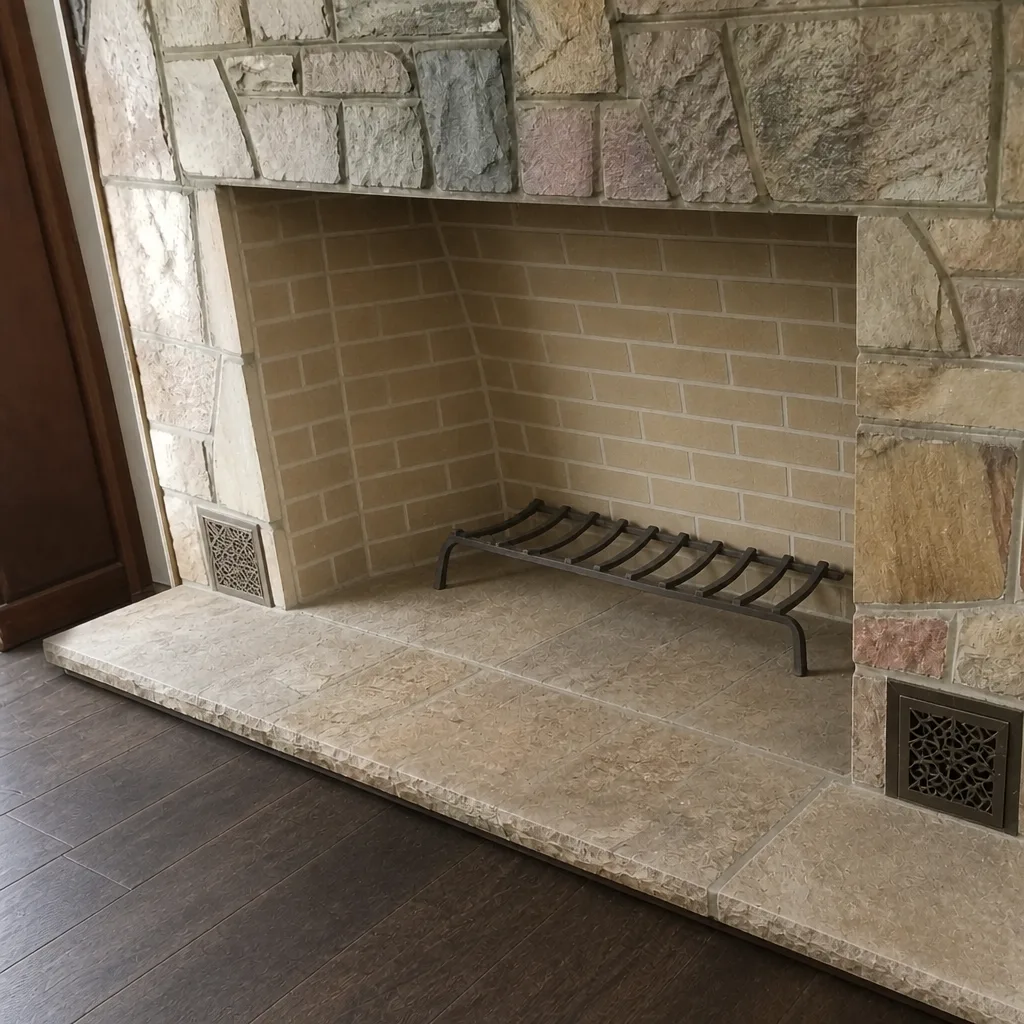
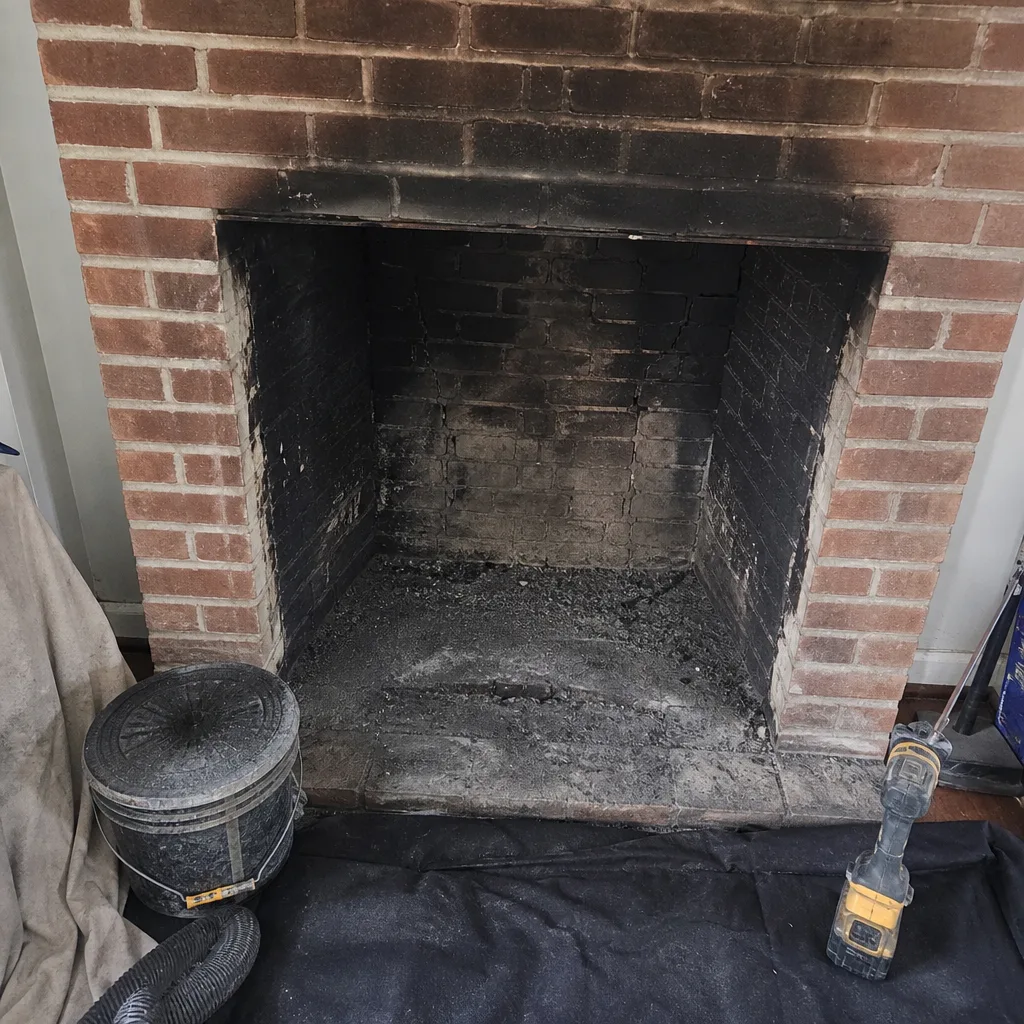
See the difference
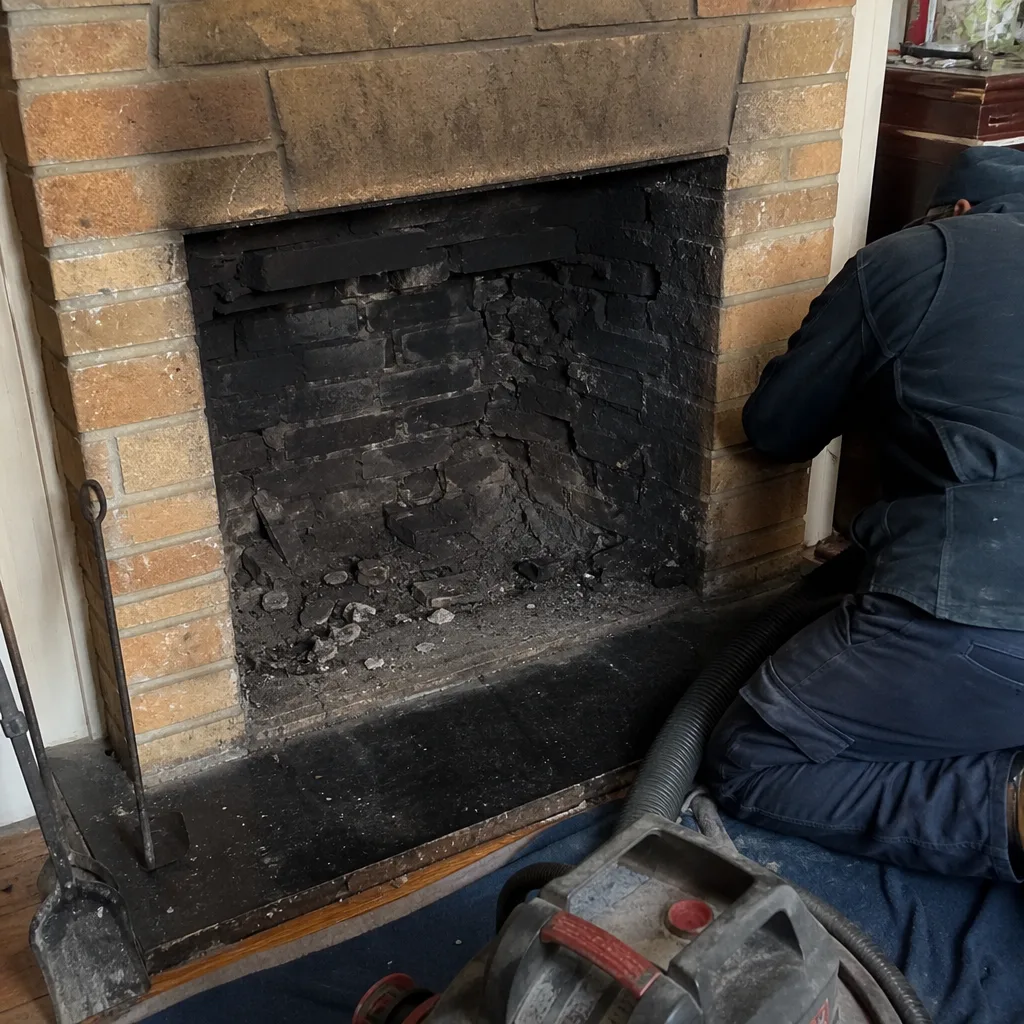 Before
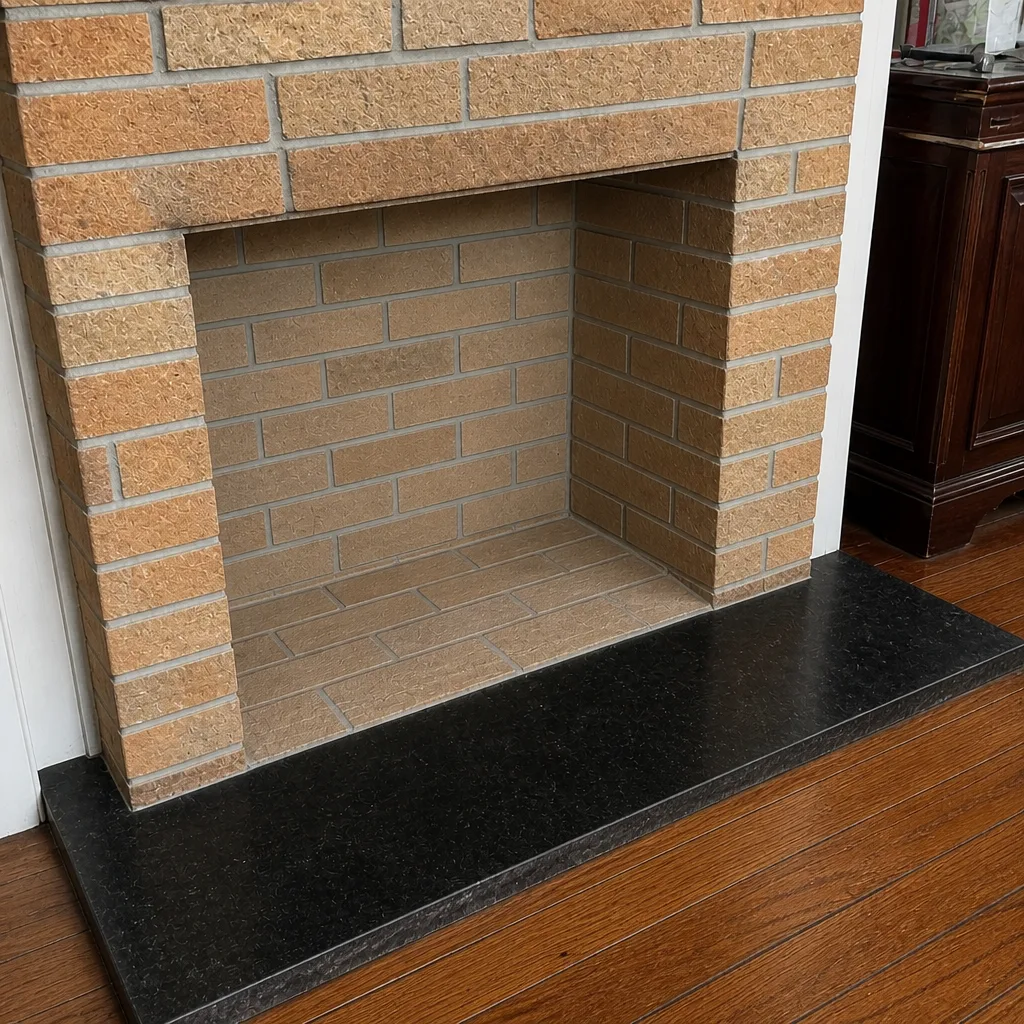 After
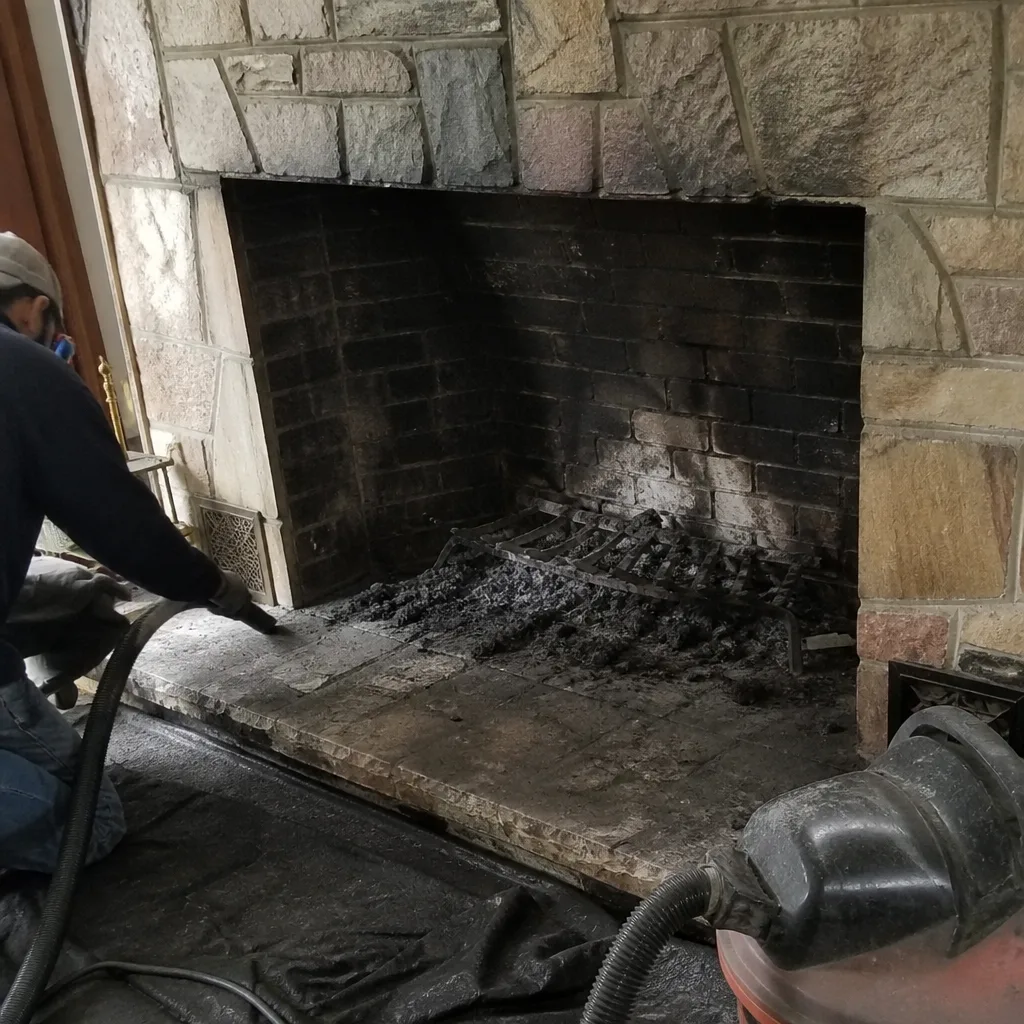 Before
 After
 Before
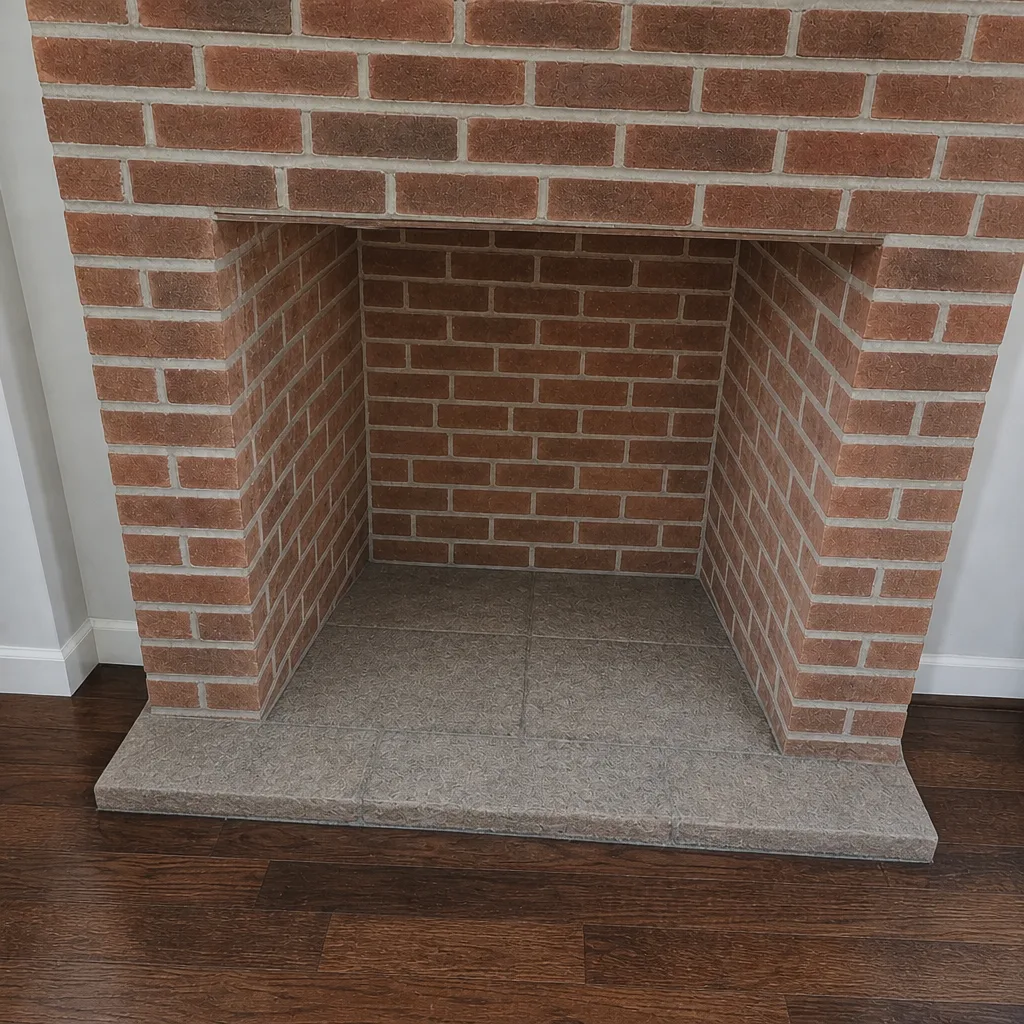 After
Common Mistakes to Avoid
- Treating a sweep as a once-a-year chore. A single fall visit catches creosote but misses the summer condensation damage and the spring freeze-thaw cracks. Each season has its own task, and skipping one leaves a predictable problem to grow.
- Capping a dirty flue for the summer. A cap on a flue full of creosote and soot traps corrosive residue against the liner all summer. Clean before you cap, not after.
- Waiting until the first cold night to schedule. Everyone else does this too, and the October schedule fills up. A September sweep beats an October backlog every time, especially in a denser neighborhood where a lot of chimneys need the same window.
- Ignoring a draft change mid-season. A fire that suddenly smokes back or pulls weakly is telling you something changed inside the flue. Waiting until spring to look is how a small blockage becomes a carbon monoxide problem.
- Skipping the exterior in spring. The crown and the exposed party wall take the worst of the freeze-thaw cycle. Inspecting only the flue interior misses the water damage that starts on the outside.
- Assuming a gas insert needs no inspection. Gas produces condensate that can corrode a metal vent even without creosote buildup. Gas systems still need an annual check.
- Letting a chimney go unexamined before a sale or insurance review. A standalone inspection gives you a condition report you can act on and share, rather than a verbal “looks fine” that carries no weight.
When to Call a Professional
Call a professional if you’ve never had your chimney inspected, if it’s been a full burning season since the last sweep, or if you notice any of the winter warning signs: a smoky smell in the house, a weaker draft, a creosote odor on warm days, or a carbon monoxide alarm. Call if the spring inspection shows a cracked crown or crumbling mortar, or if you’re buying or selling a home in East Flatbush and need a written condition report. These are the cases where a trained eye is the difference between catching a problem early and finding it after it’s done damage. Our technicians have up to 12 years of experience with the full chimney and fireplace system.
Chimney Sweep East Flatbush offers free estimates in East Flatbush. Call (844) 932-2112. We answer 24/7. Fast dispatch from 7am to 7pm, Sunday through Friday.
Frequently Asked Questions
A wood-burning fireplace should be swept once per burning season, ideally in early fall before the first fire, plus a post-season sweep before summer if you want to avoid condensation damage. A gas insert needs an annual inspection even without creosote buildup, because gas venting produces condensate that can corrode the metal. If you burn heavily, check mid-season for odor and draft changes. Call (844) 932-2112 for an exact quote on your system; estimates are free.
Because the first fire of the season burns in a flue that has accumulated creosote all spring and summer and sat damp through the humid months. The buildup is at its worst and the flue is at its least dry when the season starts. That’s the chimney fire risk window. A pre-season sweep in September clears the buildup before the first burn. Call (844) 932-2112 to book a sweep before the fall schedule fills; estimates are free.
Skipped care doesn’t fail loudly right away. The creosote left over summer reacts with humidity and corrodes the liner slowly. The freeze-thaw winter cycle opens cracks in the crown and masonry that go unseen until water is already inside. And a blocked or deteriorating flue raises the carbon monoxide risk when you finally light the fire. None of that is visible from the living room. An inspection at the right time catches it while repair is still simple. Call (844) 932-2112 for a free estimate.
Not every damaged liner needs full replacement. HeatShield resurfacing can restore a deteriorated liner in many cases and extend its life without the cost of a full reliner. The decision depends on what the inspection shows and how much structural damage there is. We tell you exactly what we find and what it means before any work begins, and we’ll say plainly when repair can safely wait. Call (844) 932-2112 for a free estimate.
Yes, because an unused flue isn’t a resting flue. A capped chimney with creosote and soot inside holds humid summer air against the liner for months, and that moisture mixes with acidic residue into a corrosive film. The fix is simple: sweep before you close it up, check the cap and damper, and confirm the crown isn’t cracked. That one visit in late spring prevents a lot of what would otherwise show up as liner damage in the fall. Call (844) 932-2112 for an exact quote; estimates are free.
East Flatbush has a lot of attached and semi-detached brick homes, many with an exposed party wall shared with the neighbor. That wall takes weather on two sides through the freeze-thaw cycle, and older masonry construction shows the damage clearly in spring. A post-season inspection here focuses on crown deterioration, mortar joints, and water staining on the exterior brick, not just the flue interior. That’s a different emphasis than a house with a fully enclosed chimney. Call (844) 932-2112 to book a spring inspection; estimates are free.
The Bottom Line
A chimney in East Flatbush works through four seasons of stress, and each one asks for a different task. Summer means cleaning before you cap it so humid air doesn’t corrode a dirty liner. Fall means a September sweep and inspection ahead of the first fire, before the October backlog. Winter means watching for draft changes and odors that signal an active problem. Spring means an inspection of the crown, masonry, and party wall after the freeze-thaw cycle has done its damage. Conflating those into one annual visit leaves predictable problems to grow. One call covers sweep, inspection, cap, crown, and repair, so the findings from each season build on the last. Call (844) 932-2112 for a free estimate.
Written by the team at Chimney Sweep East Flatbush.