
Last updated November 22, 2026
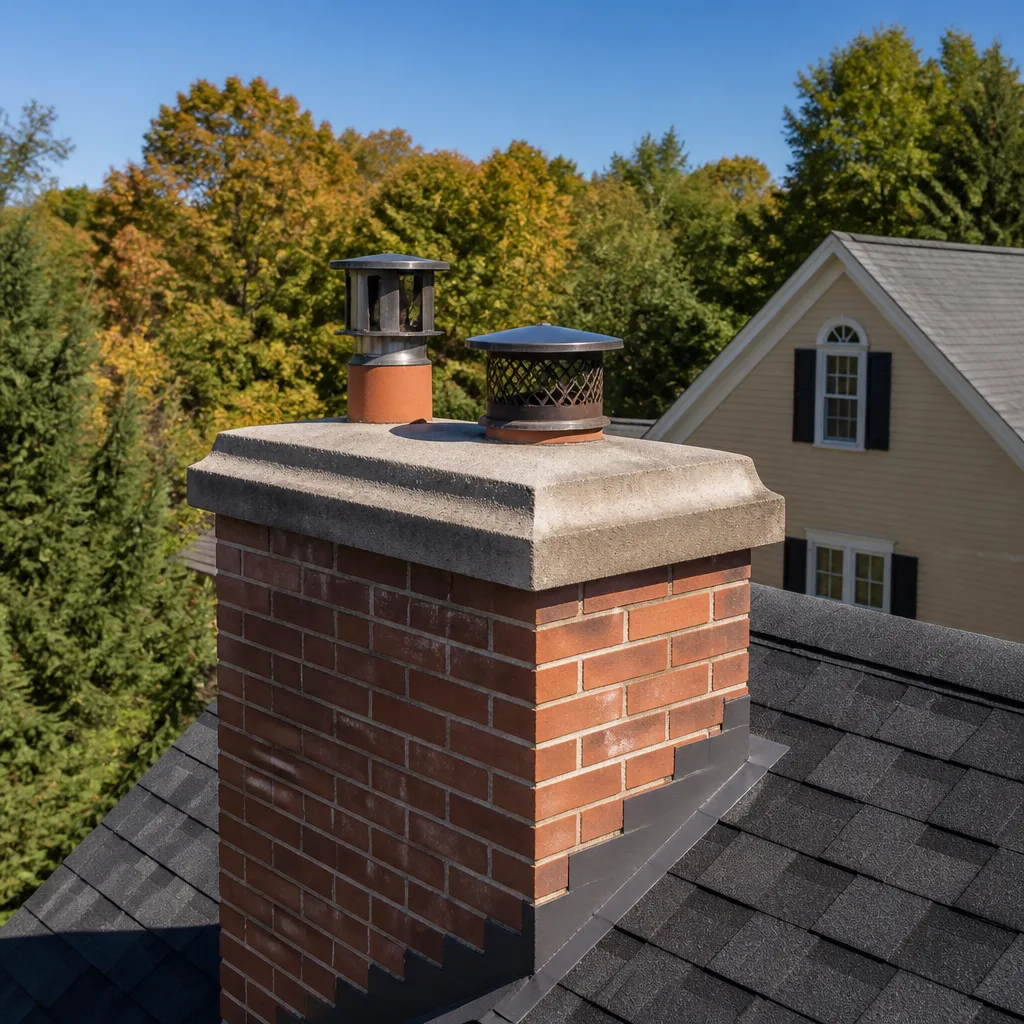 Sweep & inspection
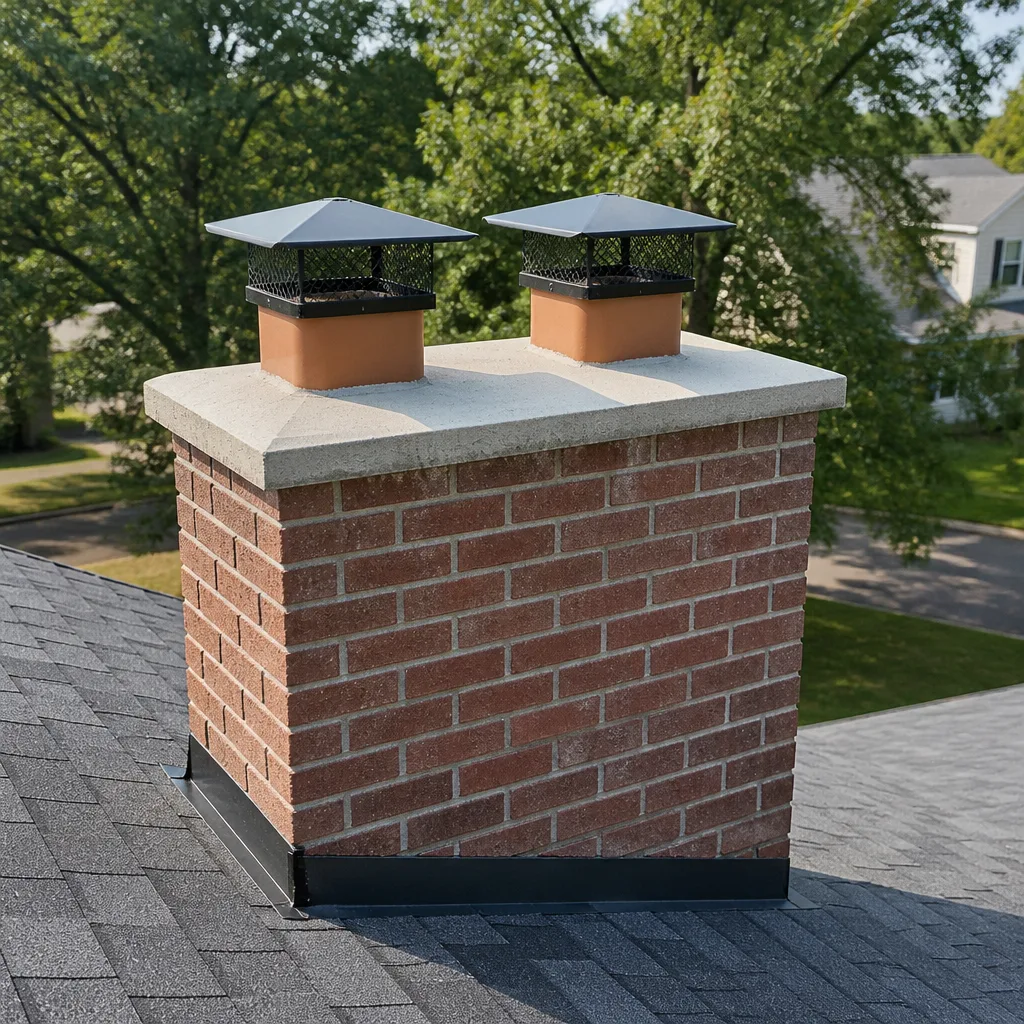 Caps & crowns
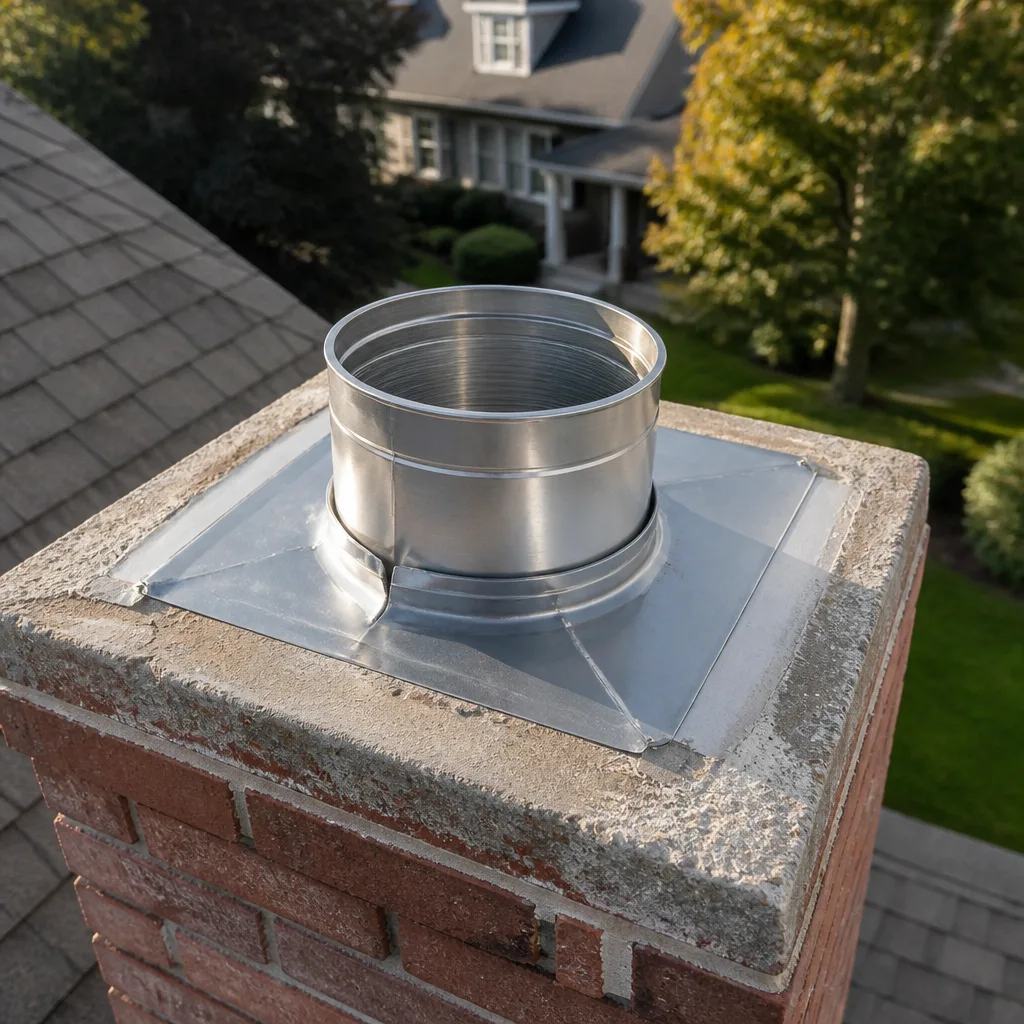 Flue relining
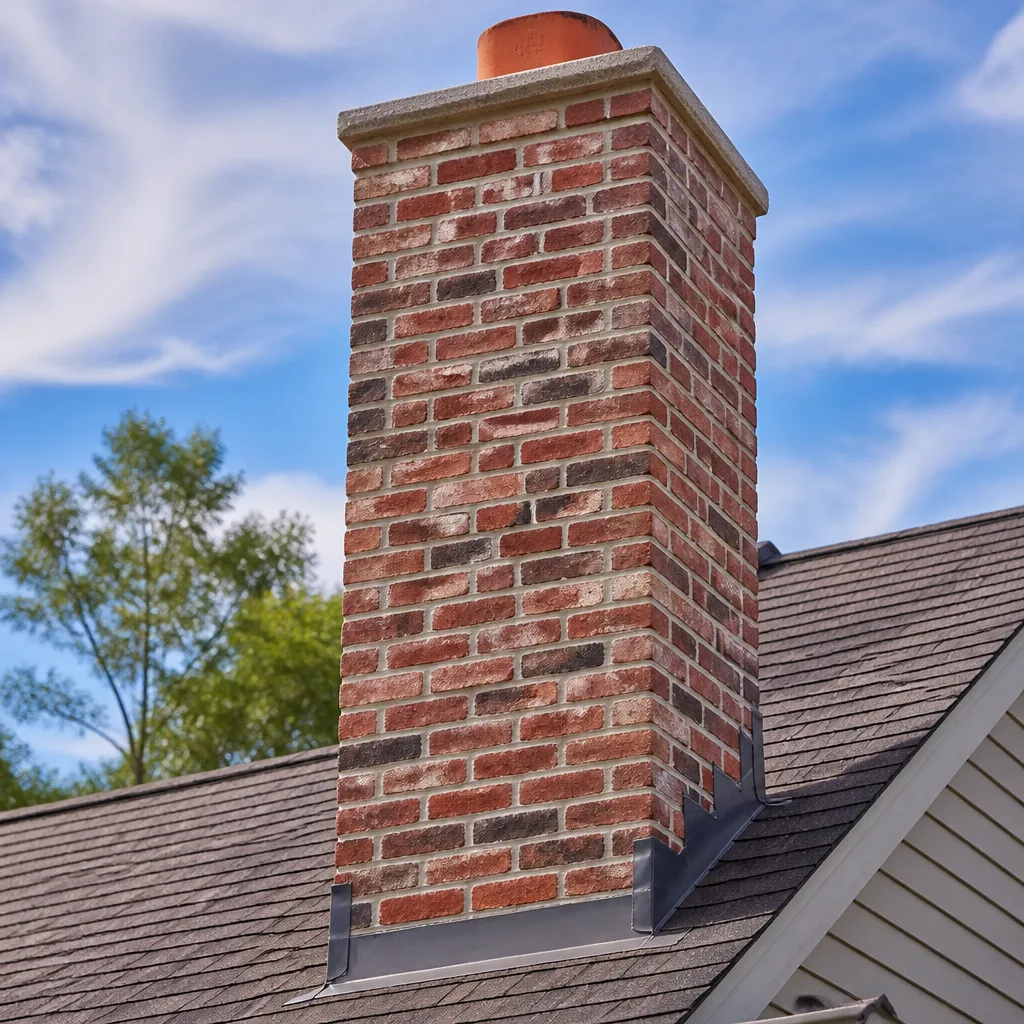 Masonry repair
 Gas fireplace service
Level 1 sweep and inspection to the NFPA 211 annual standard - flue, crown, cap, and flashing checked and photographed
Chimney sweep logs do not sweep chimneys. They loosen some creosote - which then falls where a brush and vacuum still have to collect it.
Chimney Cleaning Cost Breakdown: The East Flatbush Homeowner’s Reference for 2026
The $79 chimney cleaning special you’ve seen advertised around Brooklyn covers a basic brush sweep of an accessible flue. That’s it. It does not include the inspection that tells you whether the sweep actually solved your problem, or whether there’s a liner issue sitting underneath that will cost significantly more to address later. We’ve watched homeowners in East Flatbush book on price and then get surprised by a diagnosis they never saw coming. This guide changes that. You’ll learn what every line on a chimney cleaning quote should cover, what Brooklyn pricing actually looks like in 2026, what triggers each add-on, and how to spot a real quote from a loss-leader.
Quick Answer
A standard chimney sweep in East Flatbush in 2026 typically runs $150 to $290 for a single flue, rod-and-brush cleaning with a Level 1 inspection included. Add a video inspection ($120 to $250), cap replacement ($150 to $400), or crown sealing ($200 to $450) and the total climbs. Brooklyn pricing runs higher than national averages because of age-related scope uncertainty in older housing stock and the multi-flue masonry systems common to the borough. If the written estimate includes more than a sweep, ask which findings from the inspection triggered the added work.
Styles & brands we work with
- Sweep & inspection
- Caps & crowns
- Flue relining
- Masonry repair
- Gas fireplace service
Table of Contents
- What Are You Actually Paying For?
- What Should a Standard Sweep Cost in East Flatbush in 2026?
- Line-Item Breakdown: Add-Ons and What Triggers Them
- Masonry Flue vs. Prefabricated System: Why the Cost Differs
- How to Read a Low Quote: Loss-Leader or Legitimate Scope?
- What Makes East Flatbush Chimney Work Different
- Multi-Flue Systems and the Boiler-Fireplace Combination
- What to Ask Before You Book
What Are You Actually Paying For?
A chimney cleaning quote covers more than the brush. When we price a sweep, the cost includes setup and floor protection, the actual cleaning of the accessible flue, a check of the firebox and damper, a look at the chimney cap and crown from the roofline, and a Level 1 inspection. Skipping the inspection is where cheap quotes get their margin.
The inspection is not a formality. It’s the step that tells us whether the flue is clean, whether creosote has built up to a stage that needs a treatment applied, whether the flue liner has cracks or gaps visible from the flue opening or through a camera, and whether the cap and crown are doing their job. That information is the reason the cleaning either solves the problem or reveals the next one.
Standard components of a properly priced sweep:
- Setup and containment – drop cloths, the brush kit, and a vacuum rated for fine creosote dust so the room stays out of the job.
- Rod-and-brush cleaning – the correct brush for the flue’s size and material.
- Level 1 inspection – a visual check of the accessible portions of the flue, firebox, damper, and exterior chimney components.
- Photo report or written findings – documented condition, especially useful for insurance, a sale, or a repair decision.
If a quote doesn’t itemize those four, it’s not really a chimney cleaning estimate. It’s a brush touch.
Our technicians have up to 12 years of experience and work with the same professional-grade materials certified chimney specialists rely on nationwide. We tell you exactly what we find and what it means before any work begins. Chimney sweep visits from our team include the inspection as part of the standard booking, not as an upsell.
What Should a Standard Sweep Cost in East Flatbush in 2026?
In East Flatbush in 2026, a single-flue sweep with a Level 1 inspection should fall in the $150 to $290 range for the vast majority of homes. The wide band reflects actual scope differences, not sales margin. A simple prefabricated flue with an accessible cleanout lands near the bottom. A masonry flue in a 1920s rowhouse with a partially blocked damper lands near the top.
Why does Brooklyn pricing run higher than what you’ll see quoted in national averages? Three reasons stack up:
- Older housing stock means scope uncertainty. A chimney in a 90-year-old attached rowhouse carries more likelihood of discovering a cracked terra cotta liner, a partially collapsed mortar joint, or a damper that no longer opens fully. The sweep has to account for that possibility.
- Access is more restricted. Rowhouse roof access, ladder placement in tight side yards, and shared party walls raise the setup time on every job compared to a detached suburban home with a wide driveway.
- Multi-flue systems are common. When a fireplace flue and a boiler flue share the same chimney stack, we’re cleaning two flues, checking two crowns, and inspecting two caps.
A realistic estimate list for East Flatbush:
| Service | Typical range (2026) |
|---|---|
| Standard sweep, single flue, Level 1 inspection included | $150 – $290 |
| Second flue on same stack (boiler or second fireplace) | $90 – $180 |
| Prefabricated factory-built flue cleaning | $130 – $260 |
| Masonry flue with heavy creosote (Stage 3) | $280 – $450 |
These are typical ranges, not exact prices. The written estimate sets the final price, and it’s free.
Line-Item Breakdown: Add-Ons and What Triggers Them
The sweep is the entry point. What makes a quote hard to compare across companies is the add-ons: they’re either included, silently omitted, or pushed aggressively. Here’s what each one costs and the specific condition that justifies it.
Video inspection – $120 to $250
Triggered when the Level 1 inspection shows something the eye can’t resolve, when there’s been a chimney fire, when you’re buying or selling the house, or when the flue has a liner that looks compromised from the inside. A camera goes down the flue and the report comes back with images you can see. If we can’t show you the problem on a screen, we don’t have a problem to sell you.
Creosote treatment application – $150 to $350
Triggered when the flue shows Stage 2 (glazed, flaky) or Stage 3 (hard, tar-like) creosote deposits that a standard brush won’t remove. Stage 3 creosote is the fuel load behind chimney fires, and it’s not a scare tactic to treat it – it’s the reason the flue needs to be cleaner than “looks fine.” A chemical treatment loosens the deposit so the brush can lift it on a follow-up pass.
Cap replacement – $150 to $400
Triggered when the existing cap is missing, rusted through, the wrong size, or failing to keep rain and animals out. We work with Famco and Gelco cap solutions, which means sizing and material are handled at the job site rather than ordered and rescheduled.
Crown sealing – $200 to $450
Triggered when the crown (the cap at the top of the masonry) has hairline cracks, spalling concrete, or a gap where it meets the flue. A failed crown is the leading path for water intrusion, and water damage is what pushes minor masonry issues into real repair territory.
HeatShield liner resurfacing – $600 to $1,400
Triggered when a video inspection shows a cracked or deteriorated flue liner but the underlying structure is still sound. HeatShield resurfacing can restore a damaged liner without the cost of full replacement, which is the difference between a mid-three-figure job and a four-figure one. Full reliner replacement, when needed, runs $1,200 to $3,500 with DuraFlex or Olympia Chimney liners.
Each of those items should have a clear trigger from the inspection. If a technician recommends any of them without evidence you can see, ask for the photo or the video clip. If the answer is vague, wait.
Masonry Flue vs. Prefabricated System: Why the Cost Differs
Masonry and prefabricated flues are not cleaned the same way, and they’re not priced the same way. The material difference isn’t cosmetic – it changes the tools, the time, and the risk of what a sweep might uncover.
A masonry flue is brick and mortar with a terra cotta tile liner. In East Flatbush’s older rowhouses, the terra cotta tiles are often decades old, with hairline cracks at the joints and mortar that has started to spall. We use a polypropylene or wire brush sized to the flue, and we have to watch for tiles that would break under a stiff bristle. The liner condition drives how aggressive the cleaning can be, and that step-by-step caution extends the time on the job. Read more about what those repairs look like on our chimney repair page.
A prefabricated factory-built flue is a metal system with a stainless or galvanized liner inside a metal chase. The cleaning tool is different, the brush is different, and the inspection checklist is different because metal liners fail at seams and joints rather than at tile cracks. These systems are simpler to clean but demand the correct brush. A standard wire brush used on the wrong metal liner can score the surface.
The sweep-to-inspection workflow on either system runs like this:
- Protect the floor and open the damper access so the flue is reachable.
- Inspect the accessible flue and firebox before cleaning, so we know the baseline condition.
- Rod and brush from the top down or the bottom up, depending on access and flue type.
- Vacuum the firebox and connections while capturing fine dust.
- Photograph the interior and the exterior components, and write up findings with the level of inspection that applies.
- Provide the estimate for anything the inspection found, with evidence.
If a company quotes you the same price for a masonry flue and a factory-built flue, ask which brush they plan to use. The honest answer to that question is a differentiator.
How to Read a Low Quote: Loss-Leader or Legitimate Scope?
A low quote is not automatically a bad quote, and a high quote is not automatically the more thorough job. The question is scope. A legitimate $140 sweep is legitimate if the flue is a clean, accessible prefabricated system with no inspection findings. A loss-leader $79 sweep is a different animal, and it shows up in what happens after the brush comes down.
Signals that a low quote is a loss-leader:
- The quote covers the sweep only and says nothing about the inspection. When the technician arrives, the visit ends with a sharp diagnosis and a same-day add-on price to fix it.
- The price is given over the phone without a single question about the flue type, the number of flues, or what kind of heating system the home has.
- The technician arrives without a camera, without a photo report, and without the ability to show you what they’re describing.
- Any “problem” they find is offered as a today-only price. Real findings don’t have a countdown.
Signals that a low quote is legitimately scoped for a simple system:
- The quote names the inspection level (Level 1, Level 2, Level 3) and describes what it covers.
- The company asked about the flue type and the number of appliances before quoting.
- The written estimate lists add-ons separately, with the conditions that would trigger each.
- The technician is comfortable telling you something can wait. A flue that’s clean with a cap in good condition doesn’t need an upsell.
Those last two points matter more than the dollar figure on the first line. A quote you can read and understand is worth more than a quote you can’t compare.
If you’re comparing quotes across multiple companies, the Anchor points to compare are whether the inspection is line-itemed, whether add-ons have stated triggers, and whether a written report follows the visit. If any of those are missing, the cheap quote isn’t the same product.
What Makes East Flatbush Chimney Work Different
Chimney work in East Flatbush runs into a set of constraints that most national price average tables never account for. Rowhouse construction, multi-flue stacks, and long-service building stock all change the actual time on a job.
Attached rowhouse access
Most East Flatbush homes are attached rowhouses with shared party walls. That means roof access is often through a shared corridor or a rear extension roof, and ladder placement is tighter than a detached-house job. Setup time runs longer. This is not a surcharge – it’s part of what a reasonably scoped estimate reflects.
Boiler and fireplace sharing one stack
In a large share of East Flatbush homes, the chimney serves both a fireplace and a heating appliance. That flue has to be cleaned and inspected for both functions, and each appliance has a separate venting path. A quote for “the chimney” that doesn’t ask about the heating system is a quote for half the job.
Terra cotta liner condition
Older East Flatbush masonry chimneys often have terra cotta liners that have developed hairline cracks or joint gaps. A cleaning that brushes past a compromised liner without noticing it leaves an unsafe flue. That’s why the inspection includes the liner joint by joint – not just the flue opening.
Weather and burning season
Brooklyn winters mean the flue sees a few months of steady fire use, then sits mostly idle. That cycle drives creosote accumulation during the burn and moisture intrusion during the off months. Late-summer bookings before the burning season are worth considering if the chimney hasn’t been inspected since last winter.
All told, a chimney in East Flatbush takes more setup, more scope awareness, and more inspection time than the same square footage in a suburban home. That’s the reason Brooklyn pricing runs higher than national averages, and it isn’t a sales line – it’s the geometry of the housing.
Multi-Flue Systems and the Boiler-Fireplace Combination
A multi-flue chimney is exactly what it sounds like: one exterior stack with two or more interior flues serving different appliances. East Flatbush rowhouses with a working fireplace plus an oil or gas heating appliance almost always have one. The pricing implication is straightforward – each flue is a separate cleaning and a separate inspection.
What gets missed when a company treats a multi-flue chimney as one job:
- The boiler flue isn’t inspected, even though gas or oil exhaust failure is the more serious of the two risks.
- The shared crown is checked at the front edge only, not where the two flues meet.
- The cap situation is quoted for one flue and not the other, so the second cap fails a year later.
How we handle it on a multi-flue system:
- Inspect each flue individually – the fireplace flue and the boiler flue are separate inspections.
- Clean each flue with the correct brush for its interior material and condition.
- Inspect the crown across the whole stack, including the joints between flues.
- Quote the caps and any crown repair as one coordinated recommendation, not a piecemeal set of surprises.
- Provide the written inspection report for both flues so you and your insurer have the full picture.
On a multi-flue system, a quote that says “one chimney sweep” is telling you something. If it doesn’t address both flues, ask before you book.
What to Ask Before You Book a Cleaning in East Flatbush
Booking the right company starts with asking the right questions before the truck is scheduled. Every question below has a real answer that a competent company can give in a sentence or two – and no answer at all is itself an answer.
- What inspection level is included in the sweep? The correct answer names Level 1 and describes what it covers. “We look at it” isn’t the same.
- Do you provide a written report? A sweep that only returns a verbal summary leaves you without documentation for insurance, resale, or a future repair decision.
- What’s the range for a second flue if we have one? A company that has to call you back after asking a supervisor hasn’t priced multi-flue work recently.
- What happens if the inspection finds a liner issue? A good answer describes the video inspection and the HeatShield-or-reliner path in that order – resurfacing is the first option when the structure is sound.
- Do you size and install caps on the same visit if needed? Companies working with Gelco and Famco cap solutions can handle it as part of the job. Companies that have to order and reschedule often don’t return, or return months later.
- Is the estimate free? Ours is. No service-call fee, no diagnostic fee, no trip charge.
- What brands do you work with? A specific answer – DuraFlex, Olympia Chimney, HeatShield, Gelco, Famco, Copperfield – tells you the company is sourcing industry-standard materials rather than hardware-store substitutes.
Common Mistakes to Avoid
- Treating the inspection as optional. The inspection is the entire reason the sweep has value. A cleaning without an inspection is guessing whether the problem was solved. Ask directly whether the Level 1 inspection is included.
- Booking on price alone without asking about flue type. A firm quote for a masonry flue and a firm quote for a prefabricated flue are not the same product. If a company won’t ask which you have, they can’t price fairly.
- Assuming one flue covers the whole chimney. Multi-flue stacks serving both the fireplace and the boiler need both flues cleaned and both inspected. A quote that prices one flue as the whole job will miss the boiler flue entirely.
- Letting a hairline crown crack wait through the winter. A small crown crack lets water into the masonry during freeze-thaw cycles in East Flatbush and can push a crown sealing job into masonry repair territory by spring. If you see it, get it looked at.
- Bypassing a video inspection on a masonry liner. If the sweep finds a crack that the eye can’t resolve from the flue opening, the camera is the next step, not a replacement quote. Ask for the video before agreeing to any liner work.
- Accepting an add-on that isn’t tied to an inspection finding you saw. If a technician recommends a liner, cap, or crown fix and can’t produce the photo or video evidence on the spot, take the recommendation home and think about it. Real findings hold up.
- Booking a sweep in spring and forgetting the follow-up. The work itself is fine in spring, but the ramp into the next burning season is the right time to act on any findings. Put a reminder on the calendar when the report comes back.
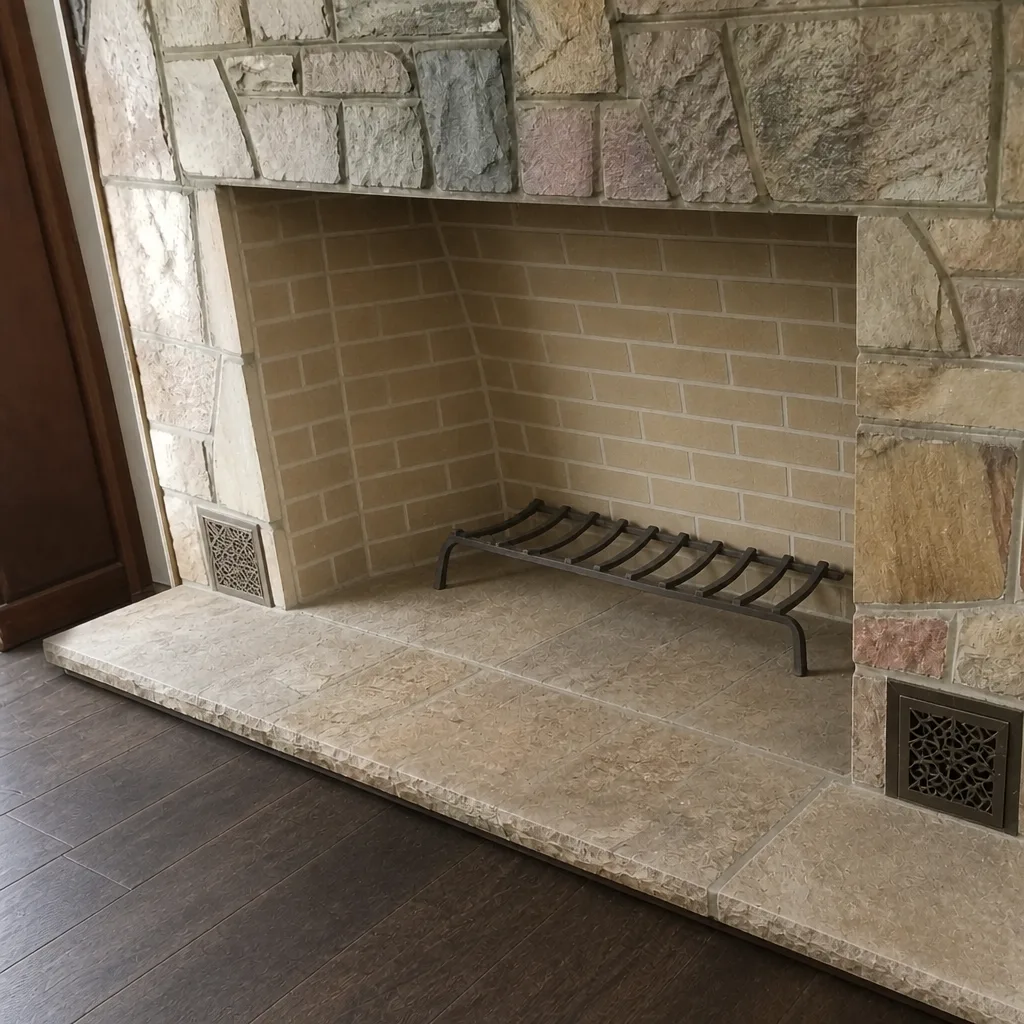
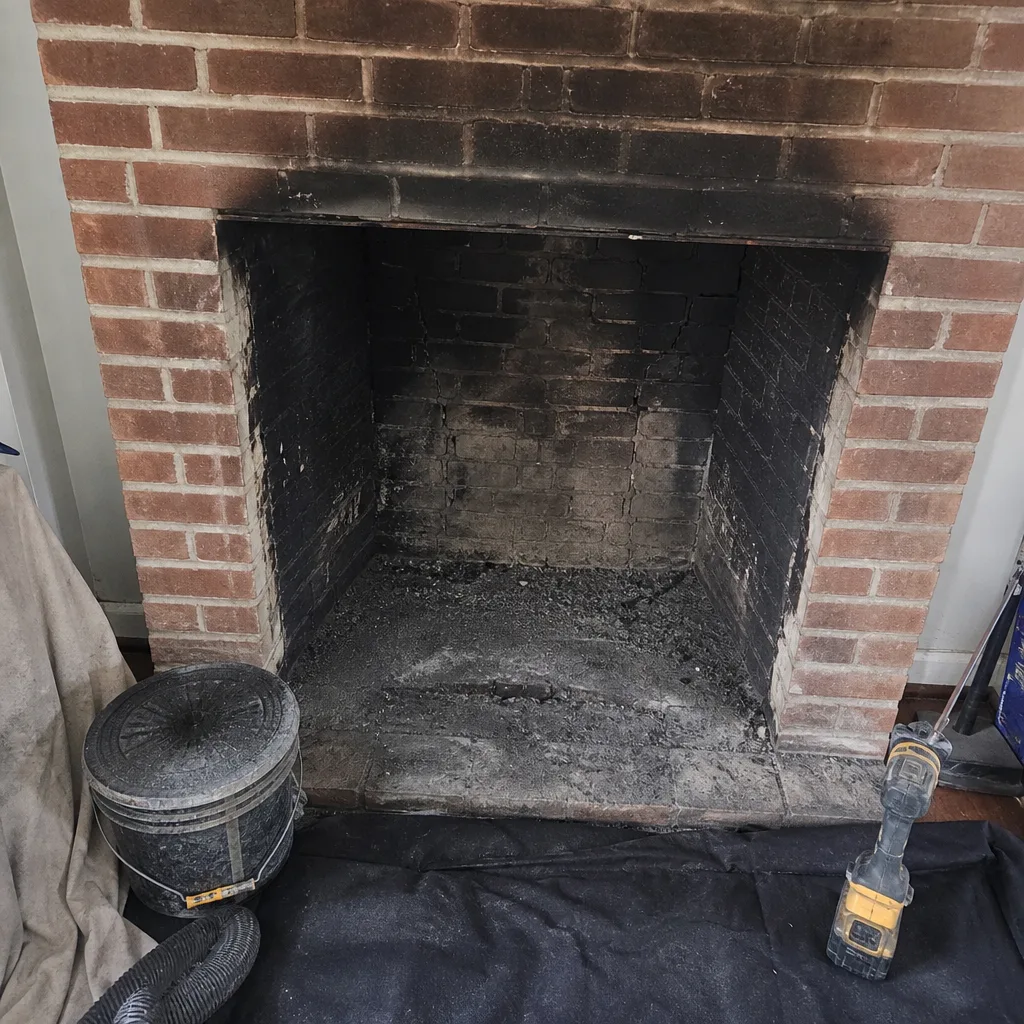
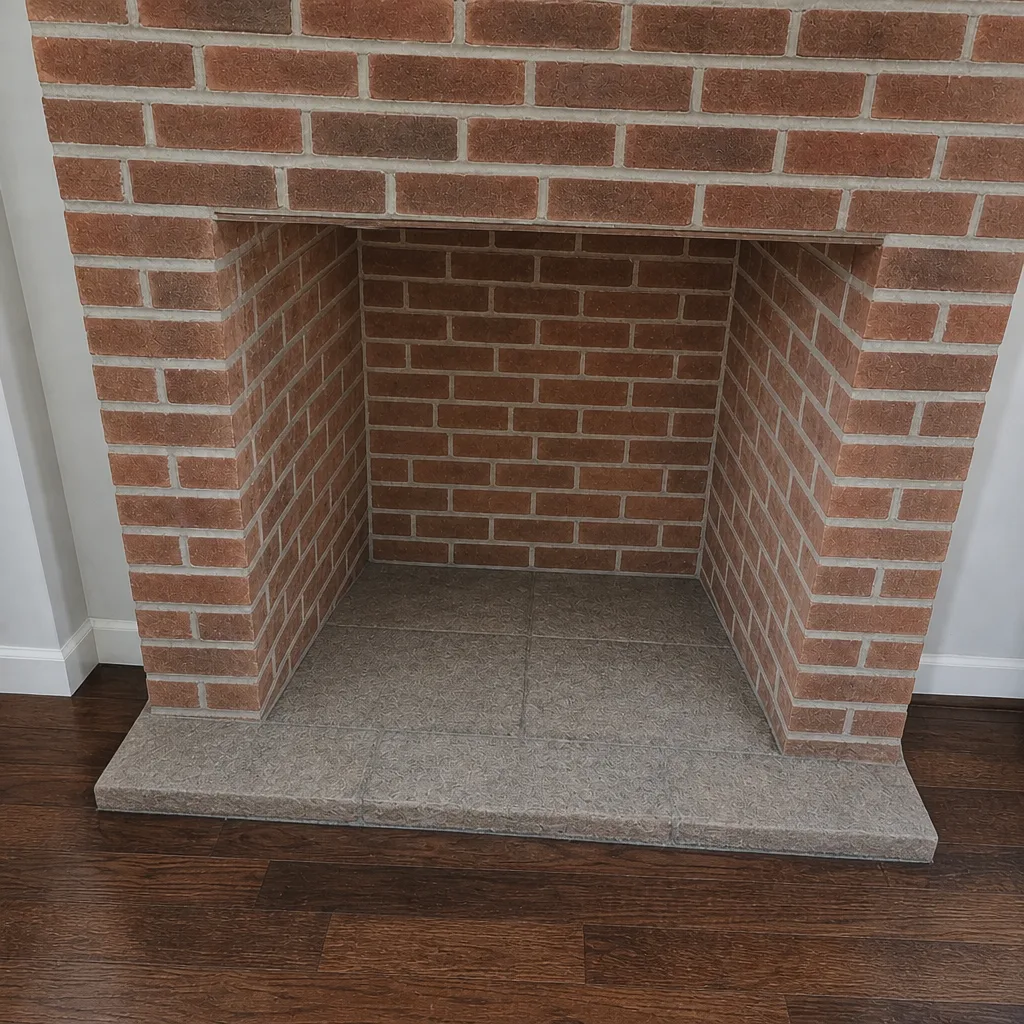
See the difference
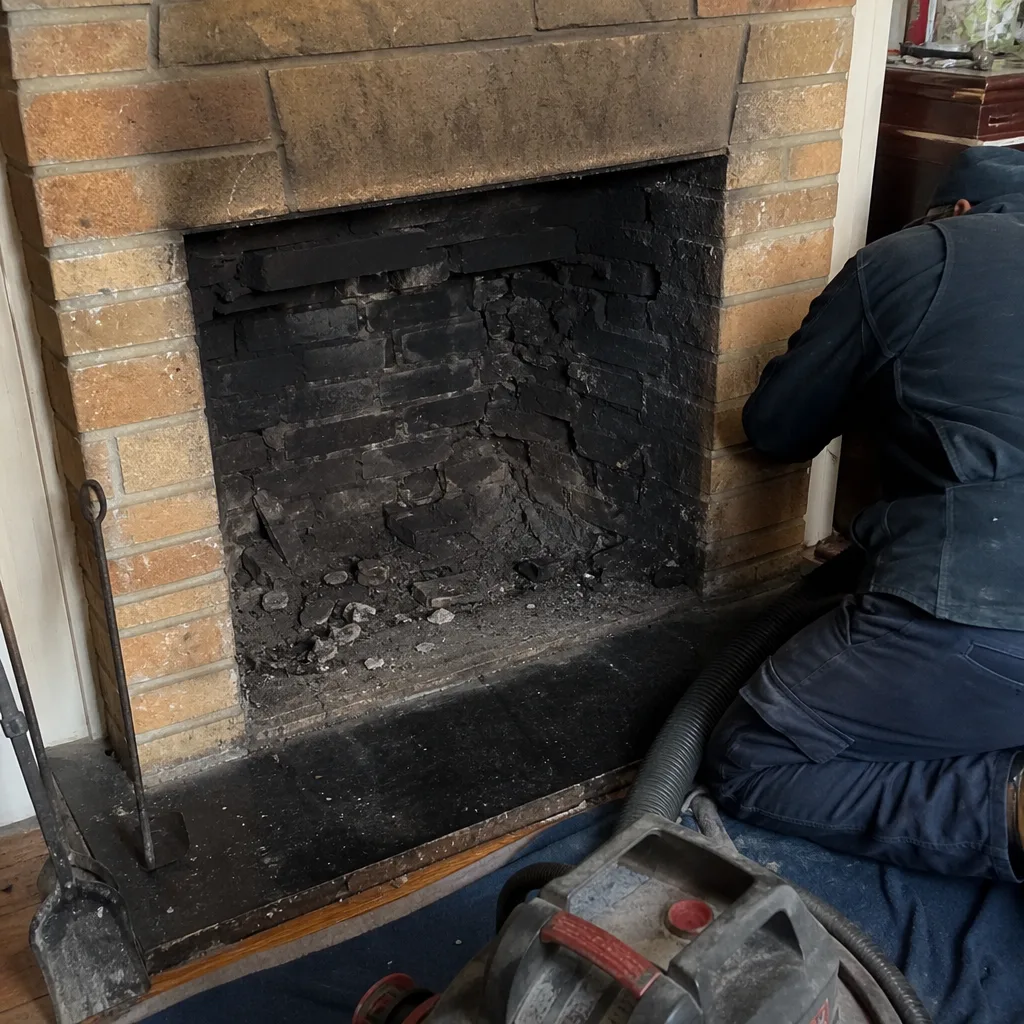 Before
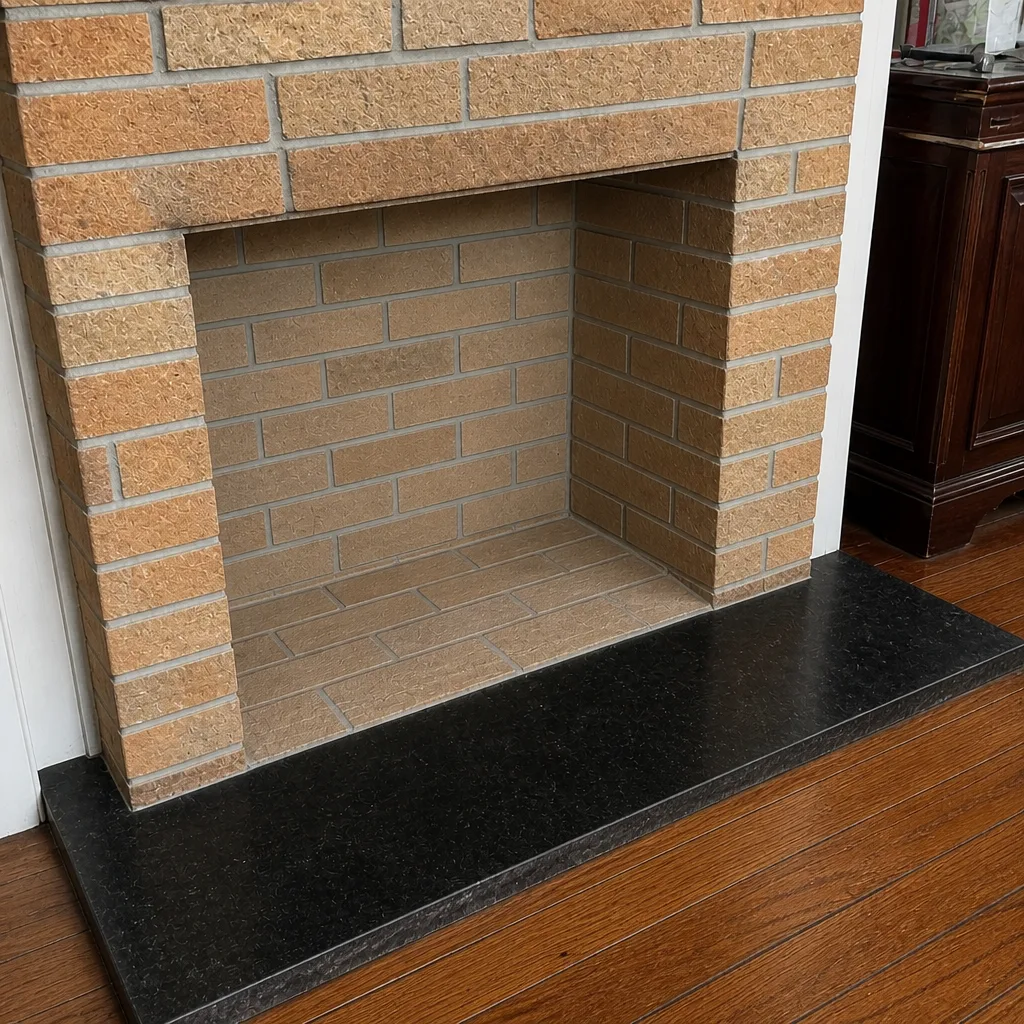 After
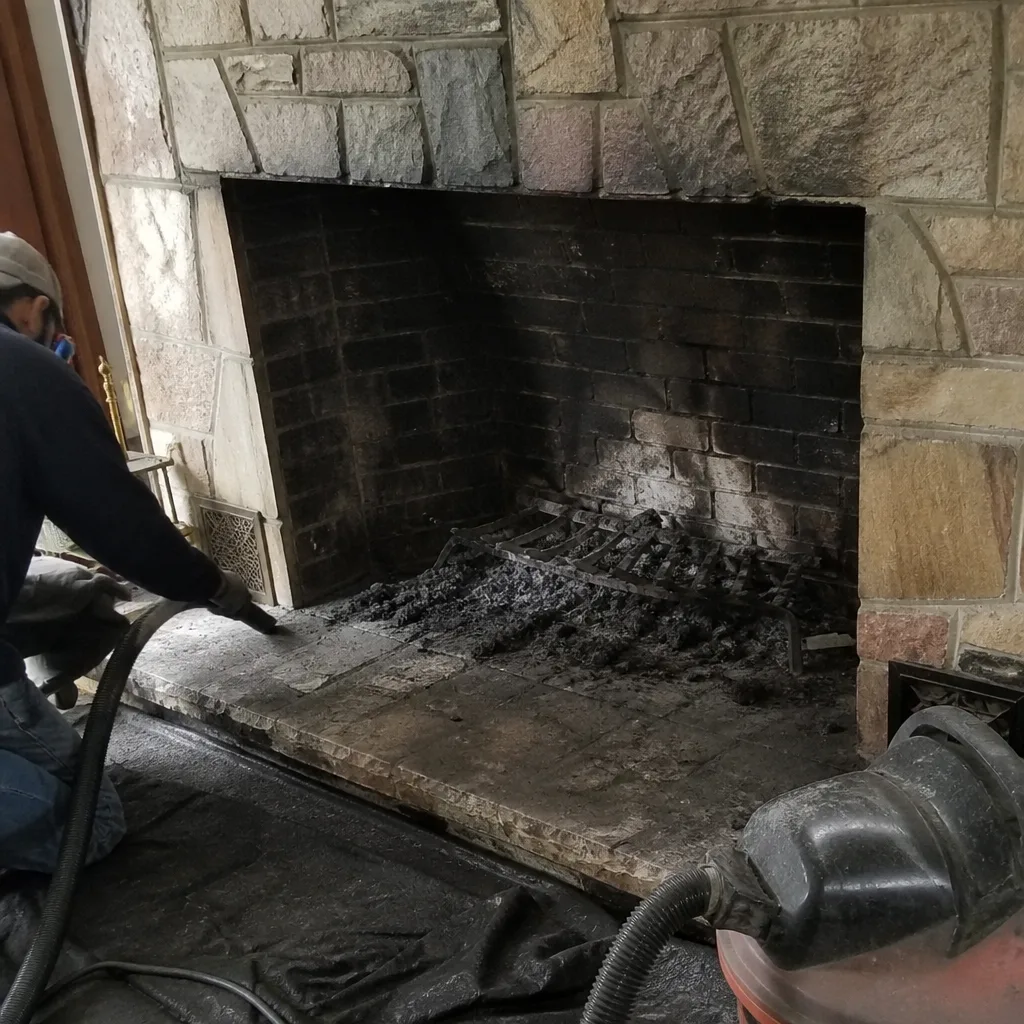 Before
 After
 Before
 After
When to Call a Professional
Some chimney work belongs in the DIY category and some doesn’t. A homeowner can check the cap from the ground with binoculars, look inside the firebox, and confirm the damper opens and closes. Anything that requires being on the roof, opening the flue interior, or evaluating a liner is a professional call – and we mean that literally for the liner. A compromised flue liner is a fire and carbon monoxide risk, and the inspection that finds it needs training and the right camera. High-tension work, gas-line connections, and any electrical work tied to the appliance are also not homeowner jobs. Beyond that, call a professional when you see a cracked crown, a rusted or missing cap, creosote flaking on the damper, water stains inside the firebox, or a chimney that hasn’t been inspected since the last burning season. Chimney Sweep East Flatbush offers free estimates in East Flatbush – call (844) 932-2112. We answer 24/7. Fast dispatch from 7am to 7pm, Sunday through Friday.
Frequently Asked Questions
A standard single-flue sweep with a Level 1 inspection in East Flatbush typically runs $150 to $290 in 2026. Add a second flue, a video inspection, or cap and crown work and the total rises from there. Call (844) 932-2112 for an exact quote – estimates are free.
You need a new liner only if the inspection shows the existing liner is compromised in a way that resurfacing can’t fix. HeatShield chimney liner resurfacing can restore a damaged liner without the cost of full replacement in many cases, and it’s the first option to check. If a company recommends a full reliner without showing you video evidence of the problem, get a second opinion before you agree to it. Call (844) 932-2112 for an inspection that includes the evidence.
An annual inspection and sweep before the burning season is the working standard for a wood-burning fireplace, and the same annual cadence applies to gas- and oil-fired chimney flues. Homes that burn heavily or use unseasoned wood should be inspected more frequently. Call (844) 932-2112 to book before the season starts.
Creosote builds up in layers, and the deeper layer – Stage 2 and Stage 3 – is what burns in a chimney fire. A skipped sweep doesn’t cause a fire on a schedule, but it removes the barrier between your fire and the flue walls. On a masonry flue, the missed inspection also lets a small liner crack turn into a larger repair that would have been a HeatShield resurfacing six months earlier. Call (844) 932-2112 to schedule a sweep before the next burning season.
Brooklyn pricing reflects East Flatbush-specific work: rowhouse roof access is often tighter than a detached home, multi-flue stacks are common, and older terra cotta liners add inspection and cleaning time. None of that is a markup – it’s the scope. The written estimate sets your exact price. Call (844) 932-2112 for a free estimate on your specific system.
The Level 1 inspection should be included in the sweep – it’s how we know whether the cleaning solved the problem. A standalone chimney inspection is a separate service for situations that need more than a Level 1: pre-sale, post-purchase, or a follow-up after a chimney fire. Both are available. Call (844) 932-2112 to book either.
The Bottom Line
Chimney cleaning pricing in East Flatbush is variable for real reasons: rowhouse access, multi-flue systems, and older masonry liners all change the time on the job. The number to compare is not the top-line sweep price. It’s whether the quote itemizes a Level 1 inspection, whether the add-ons have stated triggers with evidence, and whether the company asked about your flue type before quoting. A $79 special that stops at the brush is not the same product as a $200 sweep with an inspection and a written report. Look at the scope before you look at the price.
We work with the same materials certified chimney specialists rely on nationwide, and we tell you exactly what we find and what it means before any work begins. One call covers sweep, inspection, cap, crown, and repair – no juggling contractors. Call (844) 932-2112. We answer 24/7. Fast dispatch from 7am to 7pm, Sunday through Friday. Estimates are free, and the price is set per job by the written estimate. Start at our Chimney Sweep East Flatbush home page, or read more on chimney cap & crown work if the inspection turns up a crown issue. For a full picture of how sweep, inspection, and repair connect, the chimney sweep page covers the service end to end.
Written by the team at Chimney Sweep East Flatbush.