
Last updated November 22, 2026
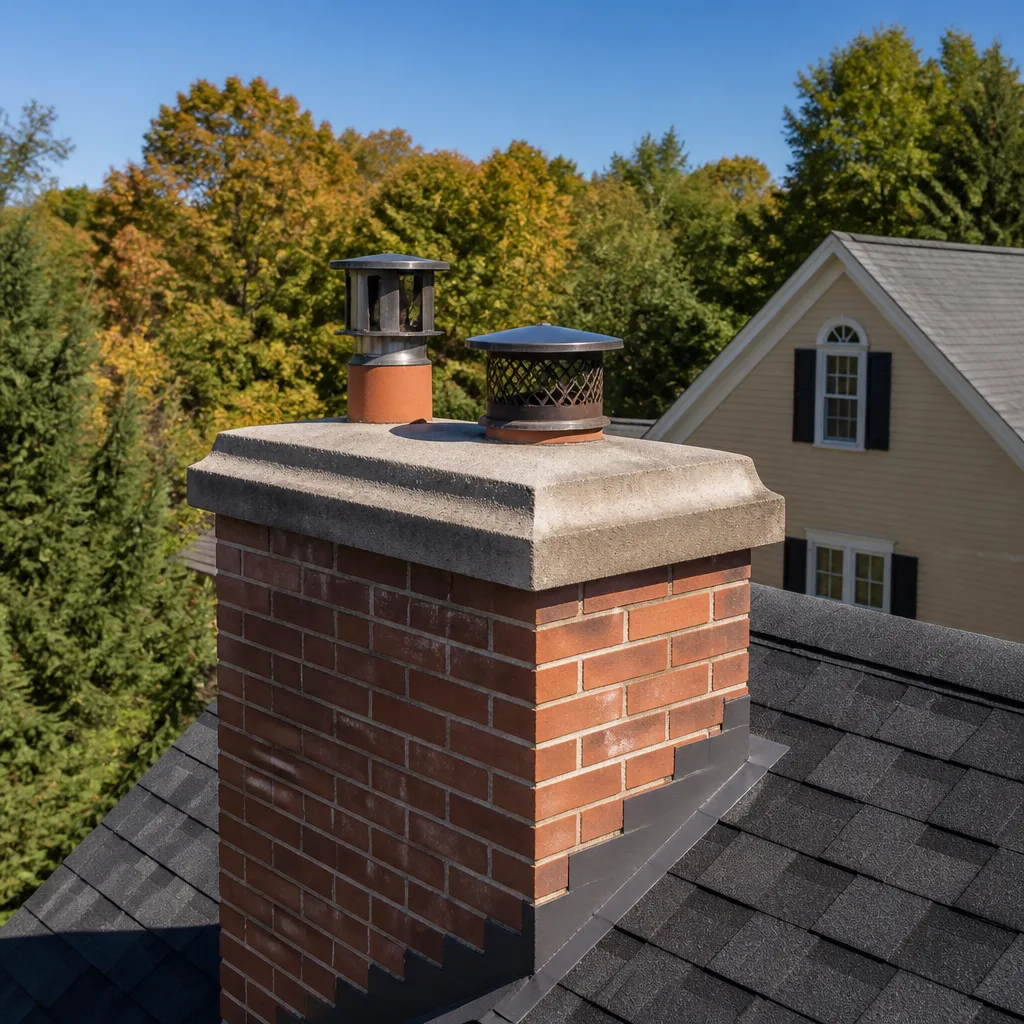 Sweep & inspection
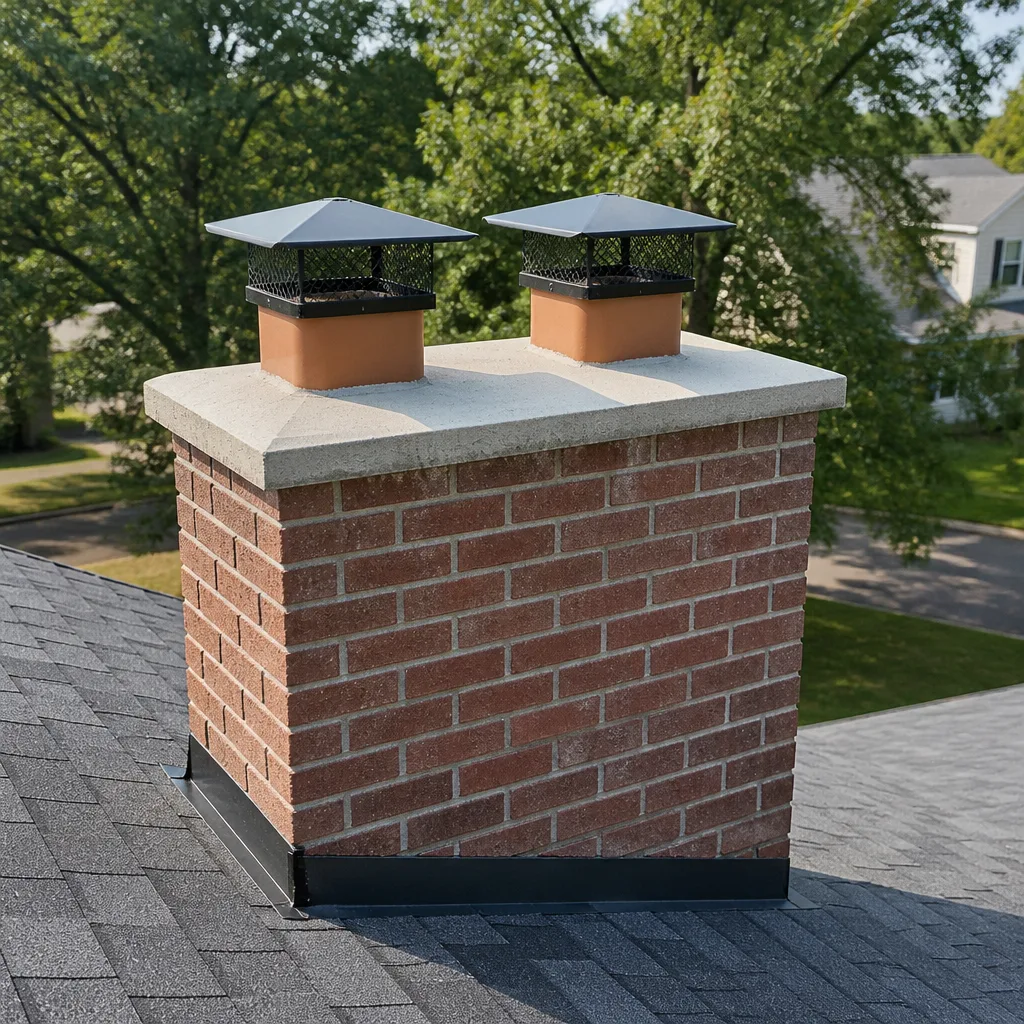 Caps & crowns
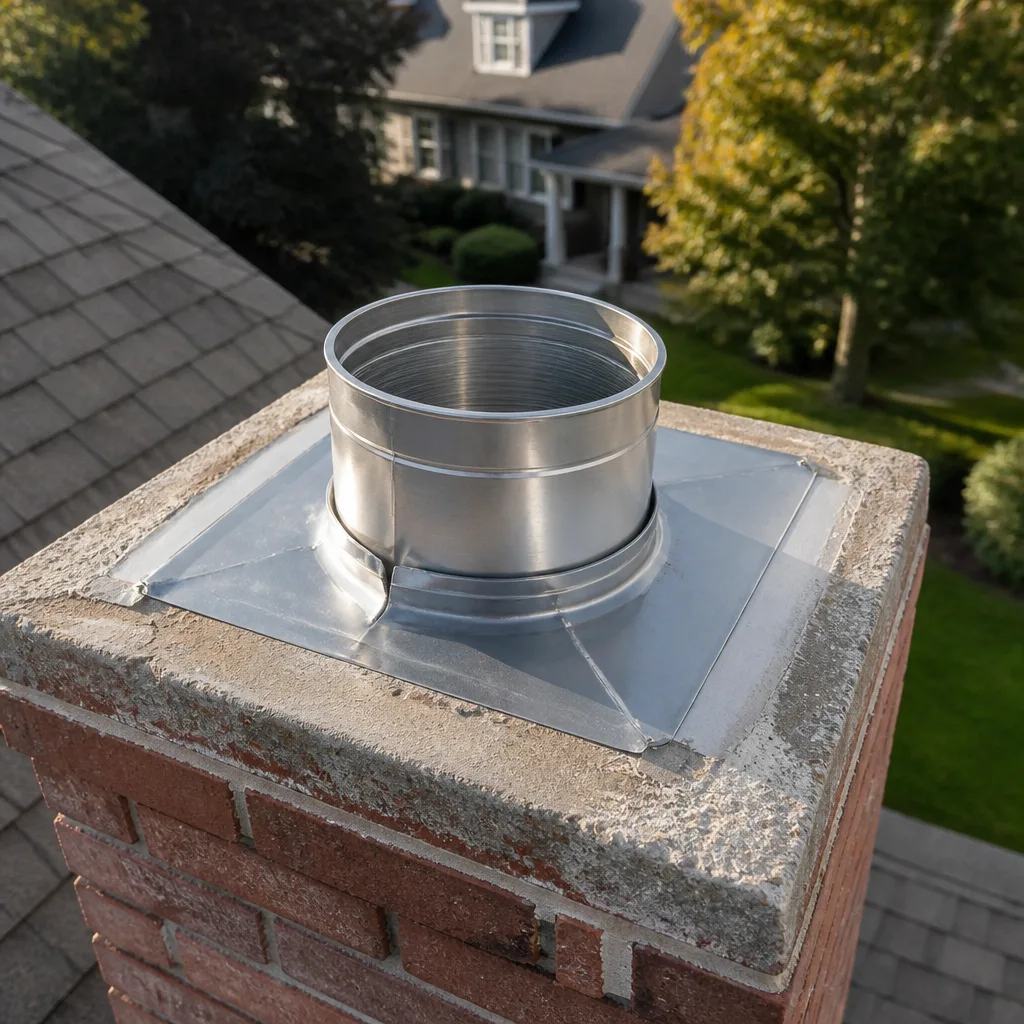 Flue relining
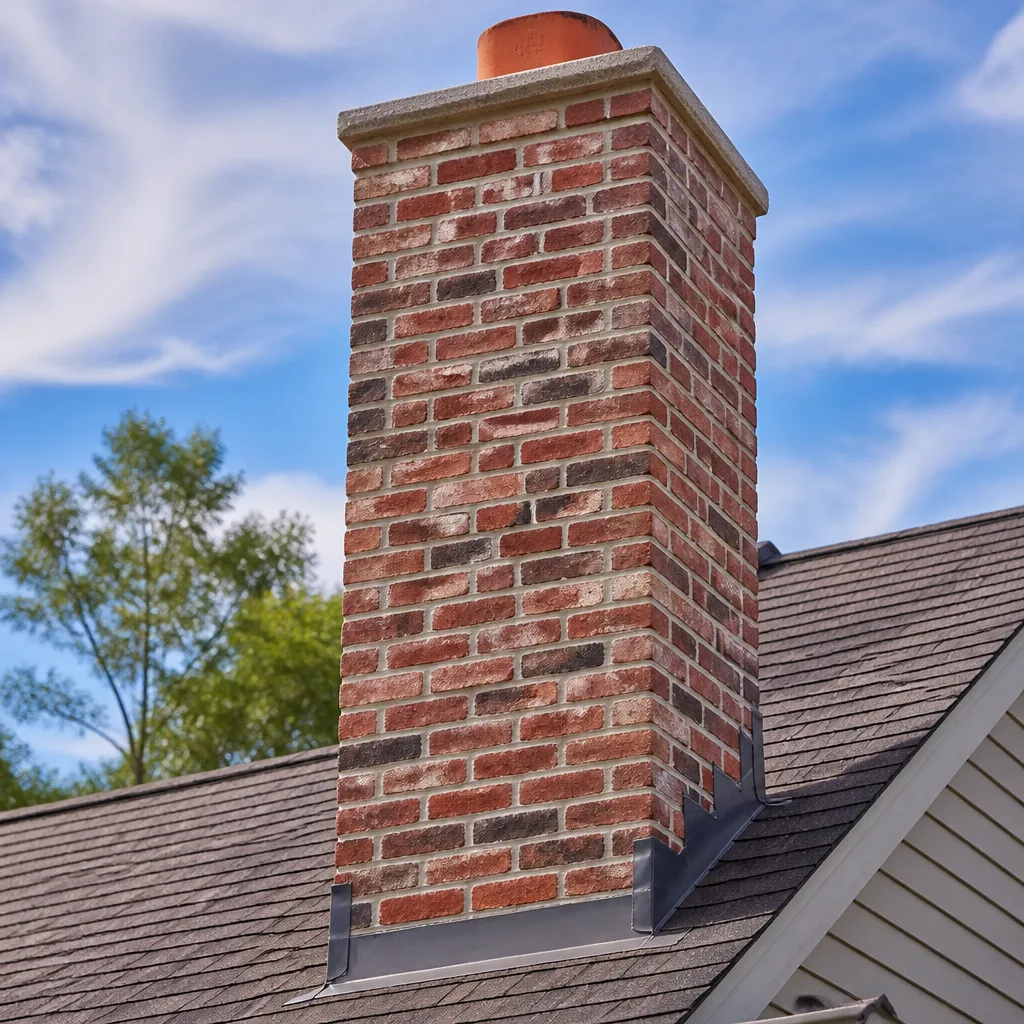 Masonry repair
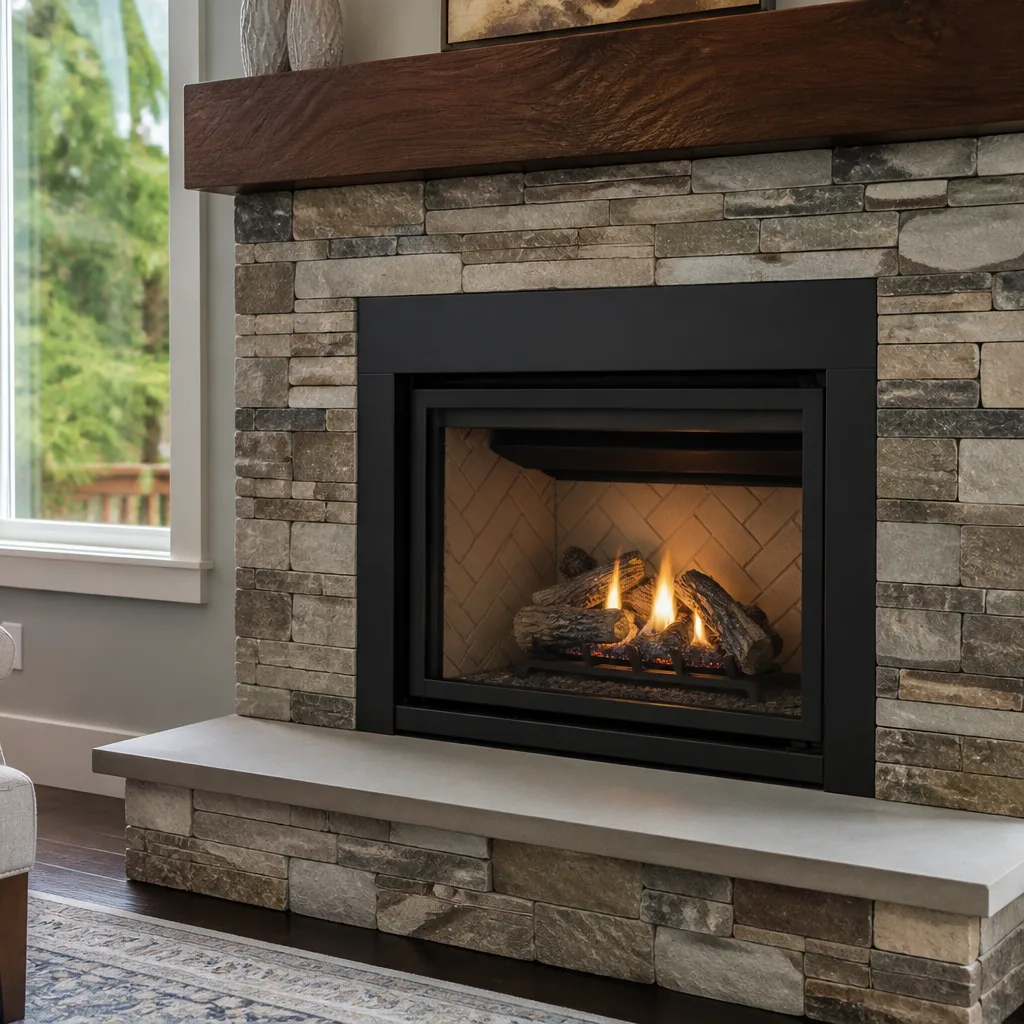 Gas fireplace service
Level 1 sweep and inspection to the NFPA 211 annual standard - flue, crown, cap, and flashing checked and photographed
Chimney sweep logs do not sweep chimneys. They loosen some creosote - which then falls where a brush and vacuum still have to collect it.
DIY vs Professional Chimney Cleaning: The East Flatbush Homeowner’s Decision Guide
You can buy a chimney brush kit at a hardware store for about the price of dinner for two. Drag it up and down the flue a few times, sweep the soot into a bag, and you’ve “cleaned” the chimney. Here’s the problem: you’ve just cleaned a chimney whose structural integrity you have no information about. You dragged an abrasive brush past tile and mortar you never looked at, and you have no way to know whether it came back out the same way it went in. That’s arguably worse than leaving it alone, because now you feel safe. We’ve walked into East Flatbush homes where a recent DIY sweep had hidden a cracked tile and a crumbling crown joint that the homeowner had no idea existed. This guide maps exactly where the DIY line sits, what it can honestly accomplish, and where crossing it starts costing you real money.
Styles & brands we work with
- Sweep & inspection
- Caps & crowns
- Flue relining
- Masonry repair
- Gas fireplace service
Quick Answer
DIY chimney cleaning is only sufficient for a simple, single-use flue that was professionally inspected recently, has an accessible clean-out door, and shows light soot only. For most East Flatbush homes, especially pre-1960 rowhouses with aging tile liners and shared walls, cleaning without simultaneous inspection gives you a false sense of safety. A professional sweep pairs the cleaning with video inspection and a written condition report, which is the part DIY cannot deliver.
Table of Contents
- What DIY Chimney Cleaning Can Legitimately Accomplish
- Why East Flatbush Housing Stock Changes the Calculation
- The Tool Gap: What a Professional Sweep Carries and You Don’t
- Liability and Insurance in a Connected Rowhouse
- The Honest Cost-Benefit Calculation
- How a Professional Sweep Actually Works, Step by Step
- When DIY Is a Reasonable Choice
- Common Mistakes to Avoid
- When to Call a Professional
- Frequently Asked Questions
- The Bottom Line
What DIY Chimney Cleaning Can Legitimately Accomplish
Let’s be fair to the DIY approach. There is a narrow but real category of chimney where a homeowner with the right tools and reasonable care can do useful work. It looks like this: a single-flue chimney serving one wood-burning fireplace or wood stove, a flue that was inspected by a professional within the last season or two, a clean-out door at the base that opens without trouble, and a firebox that shows only light, dry, flaky soot rather than the shiny, tar-like glaze of creosote.
In that scenario, a homeowner brush sweep of about 20 to 30 minutes can knock down the soft soot that builds up over a burning season. It won’t restore the flue to a professional standard, but it removes a meaningful layer of fuel.
What it can honestly do:
- Remove light, dry soot from a straight, single-use flue with no offsets.
- Clear the smoke shelf and the damper area of loose debris that a stiff brush can reach.
- Vacuum the firebox and hearth after a sweep, if a proper ash vacuum is on hand.
- Keep the firebox tidy during a heavy burning season in a home that’s already on a professional maintenance schedule.
What it can’t do, and this is the part that matters: DIY cleaning cannot tell you the condition of the flue you just cleaned. A brush does not see a hairline crack in a tile. It does not feel soft mortar between tiles and know to worry about it. It doesn’t measure the depth of a glazed creosote layer or tell you whether the flue is sized correctly for the appliance. Cleaning and inspection are two different jobs. A chimney sweep from our team does both at once, which is the entire point of hiring one.
Why East Flatbush Housing Stock Changes the Calculation
East Flatbush is not a suburb of new construction. A large share of the housing stock here is rowhouse and semi-detached brick built between roughly 1900 and 1960, often with multiple flues serving multiple fireplaces or heating appliances in a single building. Those original clay tile liners were built to a standard that was appropriate for the coal and early oil appliances of the day. They were not designed with today’s wood-burning habits in mind, and after enough decades of heating cycles, freezing and thawing winters in Brooklyn, and interior moisture, they start to fail in predictable ways.
Here’s what we find again and again in older East Flatbush rowhouses:
- Hairline and full-length tile cracks that developed from thermal cycling and won’t be visible from the firebox.
- Deteriorated mortar joints between tiles where the soft mortar has started to crumble, especially near the smoke chamber and the top courses.
- Spalled tile faces where moisture got behind the liner and froze, flaking the interior surface.
- Liner separations at offsets where the flue shifts direction inside the chimney chase.
A stiff steel brush on a rotary or hand rod is abrasive by design. On a sound liner, that’s fine. On a liner with loose tiles or soft mortar, the same motion can dislodge a fragment of tile or knock mortar loose into the flue. That debris then sits in the smoke chamber or drops to the smoke shelf, restricts draft, and creates a blockage that needs a camera to find. We’ve seen this in East Flatbush specifically, where the brush “worked” and the homeowner then noticed smoking from the fireplace on the next fire.
There’s also a neighborhood-level factor. East Flatbush rowhouses share walls, chimney chases, and sometimes flue stacks with adjoining units. A flue problem in one unit doesn’t always stay in one unit. That raises the stakes on inspection, and it raises them on liability, which we’ll get to in a moment.
The east Brooklyn climate plays a role too. The freeze-thaw cycle that runs from December through March drives moisture into masonry. When it refreezes, it expands. Over many winters, that expansion opens joints on the interior face of the liner and on the crown at the top of the chimney. This is slow, invisible work happening in the flue between your annual burns. It’s also the reason the recommendation to sweep annually is paired in this region with a recommendation to actually look.
The Tool Gap: What a Professional Sweep Carries and You Don’t
This is where the DIY line becomes concrete. The diagnostic value of a professional sweep lives in the equipment, and most of that equipment isn’t available to a homeowner at any reasonable cost.
| Tool | What it does | DIY availability |
|---|---|---|
| Rotary whip and rod system | Follows the liner contour flexibly instead of dragging a stiff bristle head past it, reducing risk on compromised tile | Rare; hand-rods and fixed brush heads are the common retail option |
| Video inspection scope | Camera fed through the flue to view tile joints, cracks, offsets and the smoke chamber | Occasionally rentable, but interpreting what you see requires training |
| Negative pressure equipment | Keeps soot from migrating into the living space during the sweep | Not practically available to homeowners |
| Creosote-specific removal tools | Handles glazed, third-degree creosote that a regular brush won’t touch | Effectively unavailable |
| Inspection forms and condition reports | Written documentation for insurance, real estate, or repair planning | None |
The gap isn’t only about cleaning power. It’s about the information the sweep produces. A homeowner can replicate the cleaning motion. A homeowner cannot replicate the camera pass that tells them whether the tile behind the soot is sound. That’s the diagnostic difference that makes a professional sweep worth the cost in this housing stock.
When we find a damaged liner that doesn’t need full replacement, we use HeatShield to resurface the interior with a cast-in-place liner that restores integrity without pulling the old flue. Most brush-only sweep operations can’t offer that, which means their only answer to a cracked liner is a full reliner, which is significantly more expensive. The difference between HeatShield resurfacing and a full reliner is a meaningful cost difference for a homeowner, and the option only exists for a company that carries it.
Liability and Insurance in a Connected Rowhouse
Here’s a subject most DIY guides skip entirely. In a detached single-family home, if a chimney fire damages your house, the consequences are contained to your property and your insurance claim. In an East Flatbush rowhouse with shared walls and a shared flue stack, that containment assumption is wrong.
Most homeowners insurance policies include language that requires reasonable maintenance of the chimney and the heating appliances. If a chimney fire traced to a neglected flue or a known defect that wasn’t repaired, the insurer may review whether maintenance was reasonable. We’re not in the business of telling you what your policy covers, but we can tell you that a documented professional inspection creates a clear record of the condition and the work performed, and that record can matter at claim time.
If a fire spreads into a neighboring unit through a shared chase, the liability picture gets more complicated than a single-property claim. The classic fact pattern looks like this: a homeowner brushes their own flue, dislodges debris into the smoke shelf, the flue restricts, and a fire smolders or smokes back into the house or into a shared cavity. We’ve seen enough rowhouse flue setups in East Flatbush to say this plainly: the shared-wall reality means a flue problem here isn’t always a private matter. A $40 brush and nobody knowing what shape the liner is in is not a good combination for that building.
The standalone inspection matters especially at key moments. If you’re buying or selling a home in East Flatbush, an inspection is a document that goes into the transaction file. If you’re renewing a homeowner policy or filing a claim, it’s the answer to “when was this last checked and by whom.” A chimney repair scope tied to that inspection can then be quoted against a baseline condition report instead of against guesswork. Our team treats inspection as its own service for exactly this reason, not as an afterthought tacked onto a sweep.
The Honest Cost-Benefit Calculation
We’ll be direct: DIY cleaning is cheaper in cash upfront and more expensive if it hides a problem. Here’s the honest math, in the ways it tends to go.
Where DIY genuinely saves money
- A prefab, single-flue system installed relatively recently, with a clean-out door at the base and a documented professional inspection within the last few years.
- A gas fireplace that doesn’t burn wood and only needs the surrounding venting checked occasionally, not swept.
- A home that’s on an annual professional sweep schedule and just wants a light mid-season tidy-up between visits.
Where DIY defers a problem that gets more expensive
- An original clay tile liner in a pre-1960 East Flatbush rowhouse with no inspection history on record.
- Any chimney that has had a chimney fire, even a small one, because that fire left a condition you can’t see.
- A flue that smokes back into the room, which is a draft or obstruction problem that brushing may make worse.
- Visible creosote glaze on the firebox walls, which signals a need for a professional cleaning beyond a homeowner brush.
The deferral cost is the real risk. A small crack in a tile caught at a sweep can often be addressed with HeatShield resurfacing, an add-on that’s far cheaper than a full reliner. A small crack missed or worsened over a season can progress to the point where the only option is full replacement. We’ve seen this exact scenario play out in East Flatbush because the flues are old and the winters are cold, and we’d rather quote a moderate option today than a large one next year.
The other thing to weigh is what the sweep actually delivers beyond the cleaning. A free estimate and a written scope of work, on a job priced per job rather than per hour, is a document you can compare and plan around. A homeowner DIY pass is a job with no record, no plan, and no way to check whether it worked.
How a Professional Sweep Actually Works, Step by Step
Understanding the steps helps you see what a professional sweep produces that a DIY pass doesn’t. Here’s the sequence a full chimney sweep job follows on a typical East Flatbush visit.
- Setup for containment. Drop cloths and a HEPA vacuum go in first. The goal is that no soot enters the living space at any point.
- Initial visual inspection at the firebox. The technician checks the damper, smoke shelf, firebox walls and fireback before the flue is touched.
- Flue sweep with a rotary system. A flexible rotary whip is worked through the flue from the top or the bottom, following the liner contour. This is the step where the tool matters most on old tile.
- Video camera pass. A scope is fed through the flue to photograph and record the interior condition, tile joints, cracks and the smoke chamber. This is the documentation step.
- Debris extraction. Loosened soot is removed through the clean-out or firebox, then contained and taken away.
- Cap and crown check. The top of the chimney is inspected for a missing or damaged cap, cracked crown, or loose courses. We stock Gelco and Famco cap solutions, which means sizing and fit get addressed during the same visit rather than ordered and rescheduled.
- Written condition report and photo review. The findings are reviewed with you, in order of urgency. Nothing is recommended that isn’t tied to camera evidence you can see and ask questions about.
That last step is the single biggest difference from DIY. You get a document with imagery, a scope of what needs attention, and a written estimate for any recommended work. You also get a straight answer to a direct question: what can safely wait, and what shouldn’t.
When DIY Is a Reasonable Choice
There’s a real answer to the DIY question and it isn’t “never.” If the conditions below all apply, a homeowner brush pass between professional visits is a reasonable, low-risk decision. We tell people so when it’s true.
DIY is reasonable when:
- The chimney is a single-flue, single-appliance system.
- The liner was professionally inspected within the last one to two burning seasons.
- The clean-out door opens freely and the base is accessible.
- The firebox shows only light, dry soot with no glazed, shiny creosote.
- There’s no history of smoking back into the room or down-drafting.
- You’re only doing a mid-season tidy-up, not standing in for an annual sweep.
What “reasonable” means here is a softsoot knockdown, not a substitute for the annual sweep and inspection. Schedule the professional visit; the DIY pass in between is a supplement, not a replacement. When a chimney meets all six conditions, a chimney cap & crown check at the top is still worth doing professionally, because that’s the part DIY almost never touches.
If any single condition fails, treat the whole system as needing a professional look. The one failure that matters most in East Flatbush rowhouses is the second one: no recent inspection history. An original liner without a recent inspection is a liner whose condition is unknown, and that’s the exact profile where a brush pass is most likely to cause damage and least likely to tell you.
Common Mistakes to Avoid
- Sweeping a liner you haven’t inspected. A stiff brush on a cracked tile or soft mortar joint can dislodge material into the smoke chamber. If the liner hasn’t been on camera, don’t drag a brush through it.
- Assuming the top of the chimney is fine. We see missing caps and cracked crowns on a large share of the East Flatbush rowhouses we inspect. The cap and crown are what keep rain out of the flue; a missing cap lets water into the tile, and a freezing winter then does its work.
- Burning unseasoned wood to “dry out” a wet flue. Green or wet wood produces far more creosote than dry wood does. Creosote is the fuel a chimney fire burns, so wet wood is not helping the flue dry out, it’s loading the next fire.
- Ignoring a smoky first fire of the season. Smoke curling into the room at startup is often a draft problem, not laziness. In a shared rowhouse chase, that can mean your flue is affecting or being affected by a neighbor’s.
- Using a shop vac as a chimney vacuum. Retail vacuums aren’t rated for fine soot and will exhaust it back into the room. A HEPA-rated chimney vacuum is what keeps the dust from migrating.
- Doing a DIY pass and thinking the annual sweep is done. This is the biggest one we see. A homeowner who brushed their own flue in October feels covered, then skips the professional inspection that would have caught the actual problem.
- Calling a general handyman instead of a chimney specialist. The difference isn’t just the cleaning, it’s the diagnostic equipment and the written report at the end. A handyman with a brush delivers the cleaning but not the information, which puts you back in the same position DIY does.
Our Chimney Sweep East Flatbush team works with the same professional brands certified chimney specialists rely on across the country: DuraFlex liners, HeatShield resurfacing systems, Olympia Chimney components, Gelco and Famco caps, and Copperfield products. That matters for a practical reason: follow-up repair found during a sweep can be scoped and scheduled with the same company, not handed back to you to source a second contractor for. Most chimney repair discovered at a sweep in a pre-1960 East Flatbush rowhouse can be handled on that same path.
When to Call a Professional
Some conditions should end the DIY conversation immediately. If any of the following apply, don’t run a brush through the flue; call for a professional inspection and sweep.
Call a professional if you have a multi-flue chimney serving multiple appliances, any history of a chimney fire (even a small one that died out), visible creosote glaze on the firebox walls, smoke coming back into the room, a smell of soot or creosote in the house when the fireplace isn’t running, cracked or missing tile visible at the firebox, or a liner of unknown age in a home with no inspection record. If you’re selling or buying a home in East Flatbush and the chimney hasn’t been inspected, that’s also a professional call, because the inspection is the deliverable.
Safety cautions for anyone considering DIY: the firebox and lower flue can hold soot, fine ash, and creosote, and the top of the chimney involves working at height. If a flue is blocked with debris, carbon monoxide and smoke can back into the living space instead of exiting through the top. That’s a reason to treat any smoking or back-draft as a stop sign, not a DIY chore. A trained chimney professional has the equipment to work safely and the diagnostic tools to see what’s actually wrong.
Chimney Sweep East Flatbush offers free estimates in East Flatbush. Call (844) 932-2112. We answer 24/7. Fast dispatch from 7am to 7pm, Sunday through Friday. Our technicians have up to 12 years of experience, and every estimate includes a written scope with the price set per job, not per hour.
Frequently Asked Questions
Pricing is per job by written estimate, and it depends on the number of flues, the condition of the liner, and whether the sweep includes a camera inspection. Rather than quote a flat number that doesn’t fit your specific chimney, we assess the flue first and give you a written scope. Call (844) 932-2112 for a free estimate.
A homeowner brush kit can knock down light soot on a simple, single-use flue that was professionally inspected recently, but it cannot tell you anything about the condition of the liner you just dragged the brush through. On a pre-1960 East Flatbush rowhouse with an original tile liner, that brush pass can dislodge loose tile or mortar into the flue. If the liner hasn’t been on camera recently, have a professional sweep assess it before you brush.
Not necessarily. A cracked tile that’s caught early can often be addressed with HeatShield resurfacing, which is a cast-in-place liner restoration that extends the life of the existing flue rather than replacing it. Full reliner replacement is sometimes the answer, but it’s not the only one. The right answer comes from a camera inspection that documents the extent of the damage. Call (844) 932-2112 and we’ll review it with you.
Most wood-burning chimneys benefit from an annual sweep and inspection, and a home with heavy burning in a cold East Flatbush winter may need a mid-season check as well. Gas appliances need inspection on a similar cadence but usually not the same kind of soot sweep. The sweep schedule is per system, not per home, so a multi-flue chimney serving several appliances gets assessed flue by flue.
Two things happen. First, creosote builds up each burning season, and at a certain depth it becomes fuel for a chimney fire. Second, and less obvious, small liner defects progress silently: a hairline crack widens, a soft mortar joint crumbles, and a small resurfacing job can become a full liner replacement. Skipping the inspection means missing the stage where the fix is cheapest. Call (844) 932-2112 for an estimate and let’s see where your flue actually stands.
Most policies include language requiring reasonable maintenance of the chimney and heating appliances, and a professional inspection creates a documented record of the condition and the work performed. That record can matter at claim time, and in an East Flatbush rowhouse with shared walls and shared flue stacks, the value of that record goes up because a flue problem isn’t always contained to one unit. We’re not advising on coverage; we’re pointing out why the report matters.
The Bottom Line
DIY chimney cleaning is genuinely fine for a narrow slice of chimneys: single-flue, recently inspected, accessible, light soot only. For most East Flatbush homes, especially pre-1960 rowhouses with original tile liners, cleaning without simultaneous inspection trades a small cash saving for a false sense of safety. The tool gap is the real story: a professional sweep delivers a camera pass, a written condition report, and the option of a HeatShield resurfacing instead of full replacement when a liner is worn but not gone. The single most expensive DIY choice is deferring the inspection that would have caught the problem at the stage where fixing it costs the least.
If you’ve been doing your own sweep and haven’t had a professional inspection in the last year or two, this is a good season to change that. Nothing we recommend is based on guesswork: we show you the camera evidence and tell you plainly what can wait. Call (844) 932-2112 for a free estimate. We answer 24/7. Fast dispatch from 7am to 7pm, Sunday through Friday. A call outside dispatch hours is booked into the next opening, Sunday through Friday, 7am to 7pm.
Written by the team at Chimney Sweep East Flatbush.
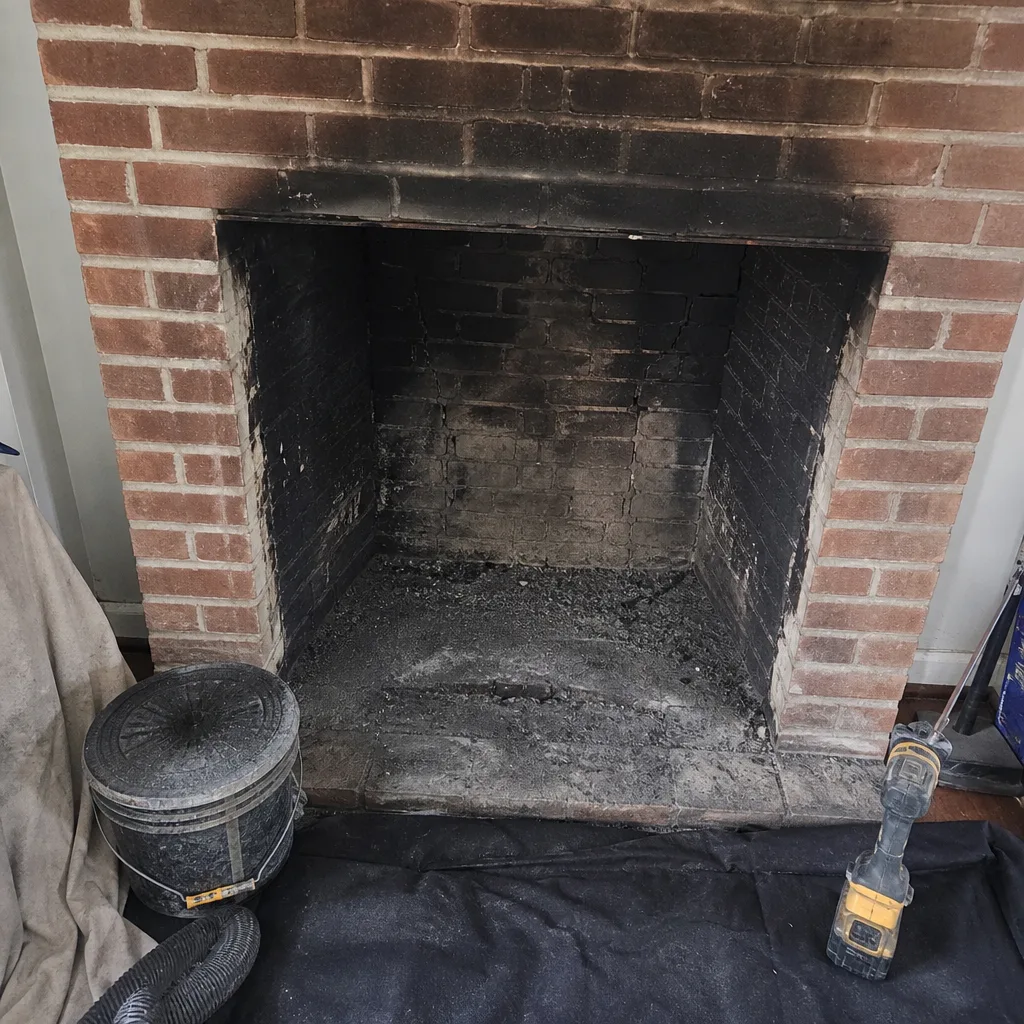
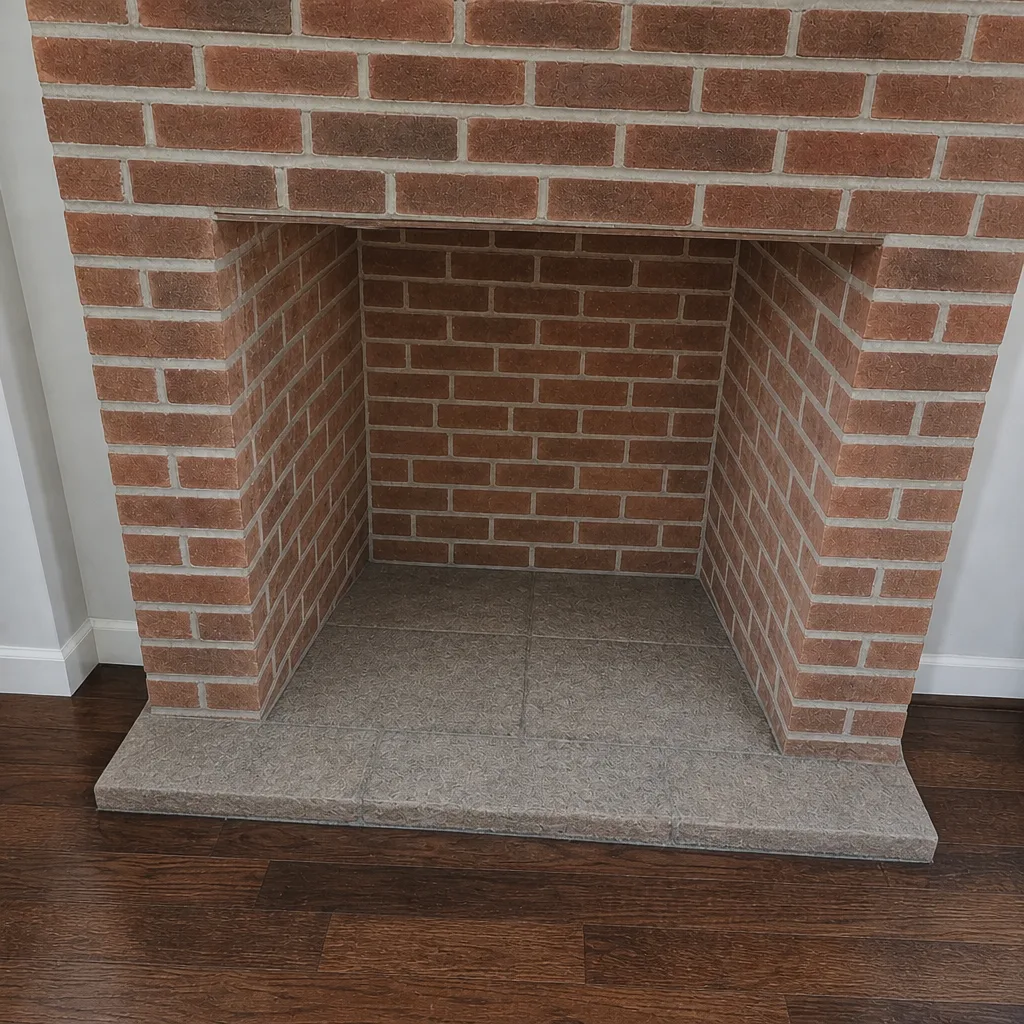
See the difference
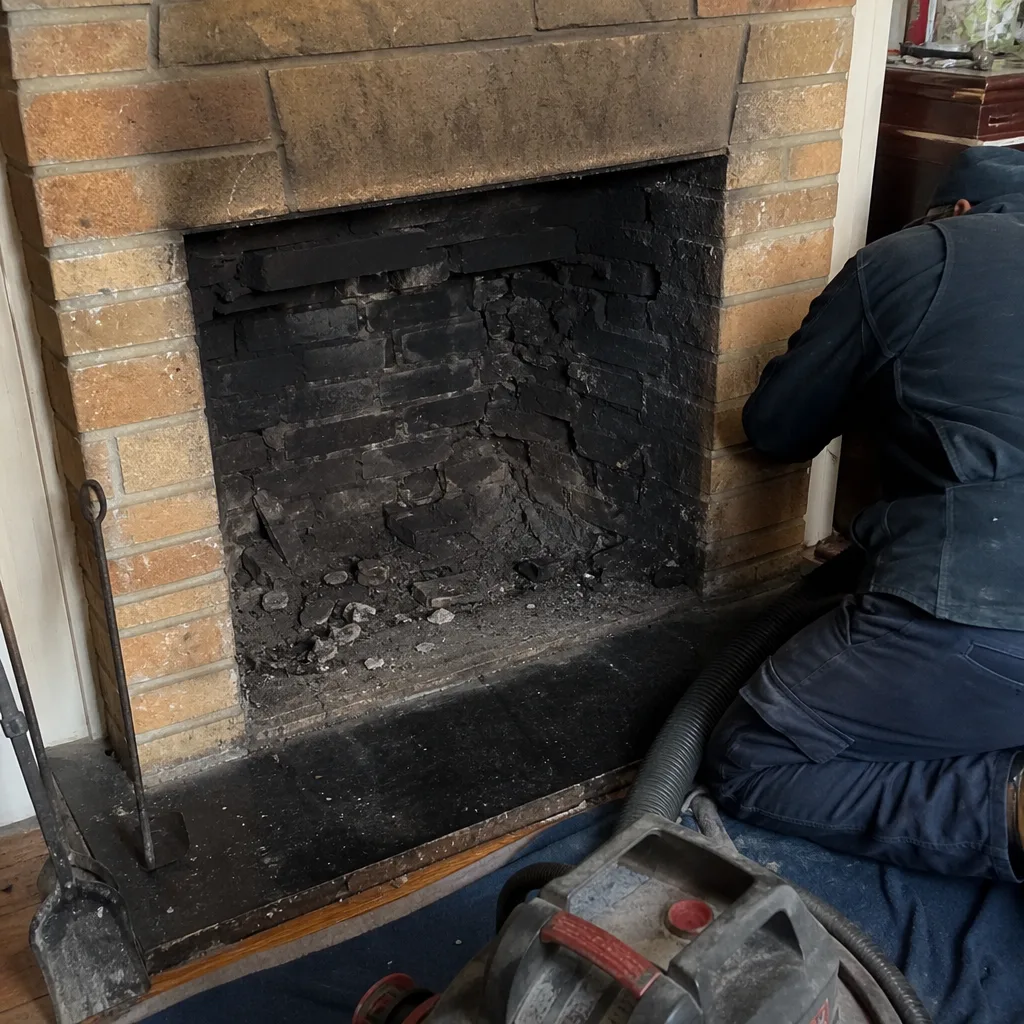 Before
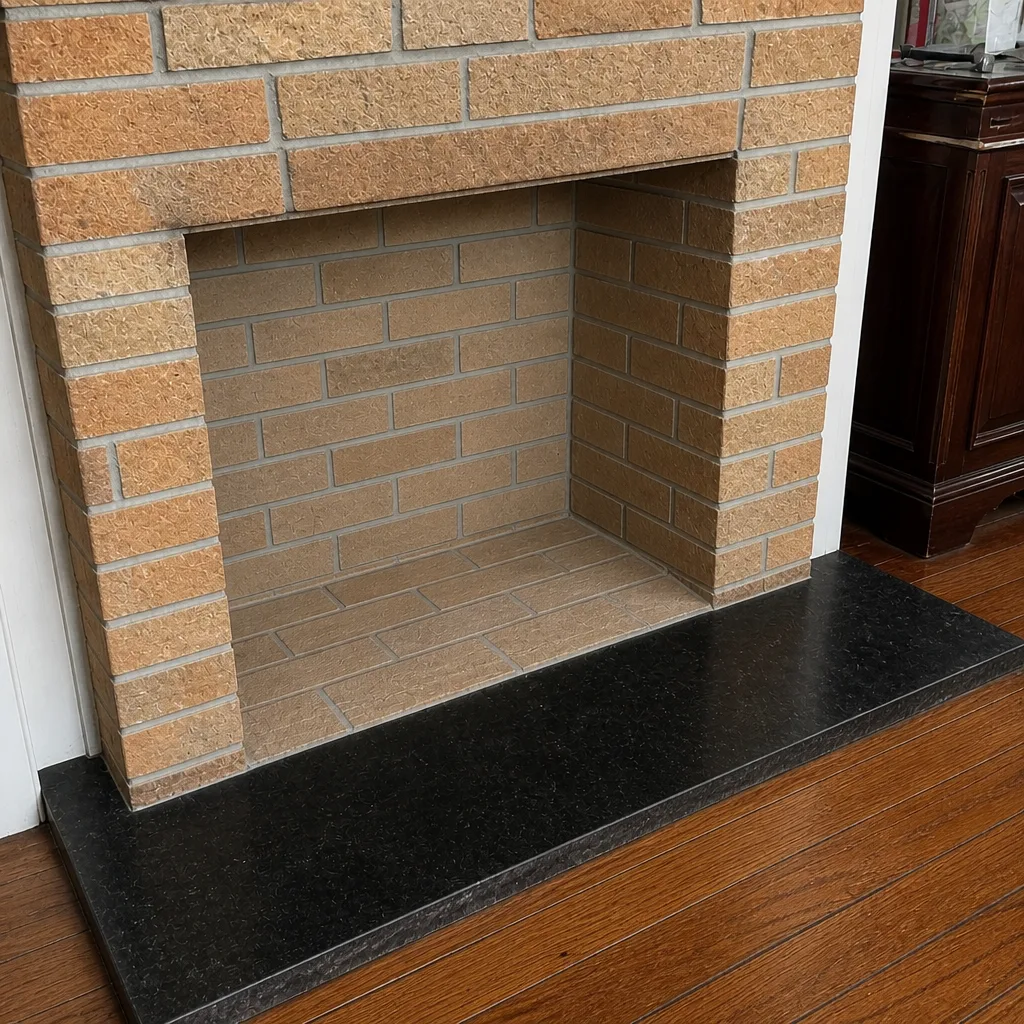 After
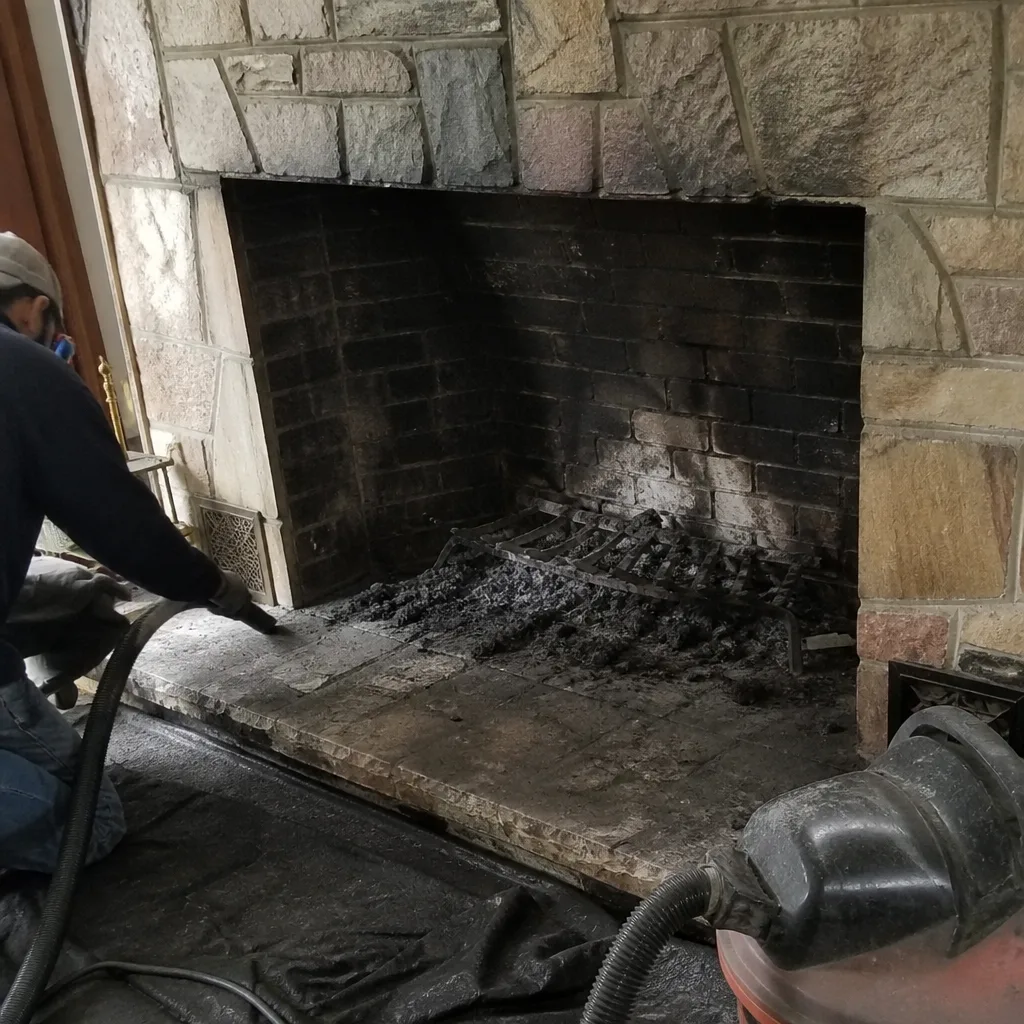 Before
 After
 Before
 After