
Last updated November 22, 2026
 Sweep & inspection
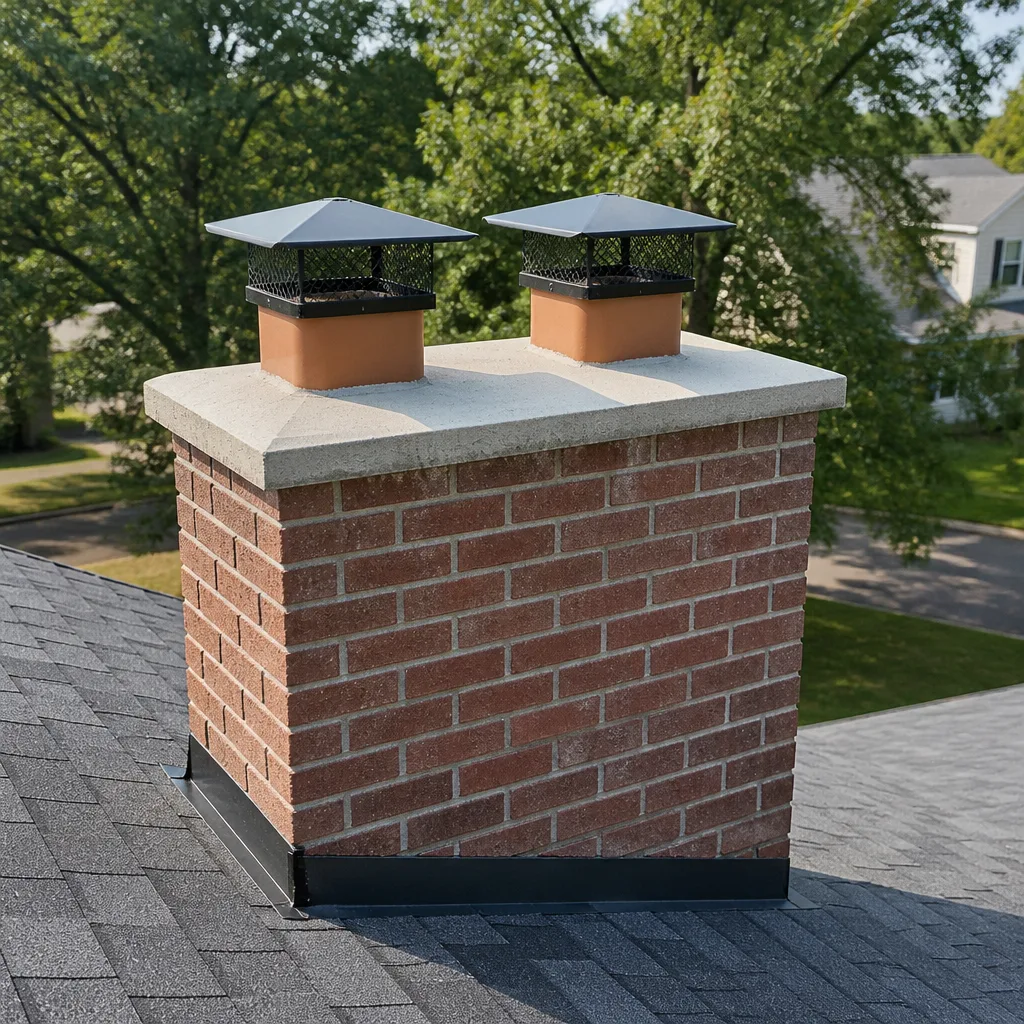 Caps & crowns
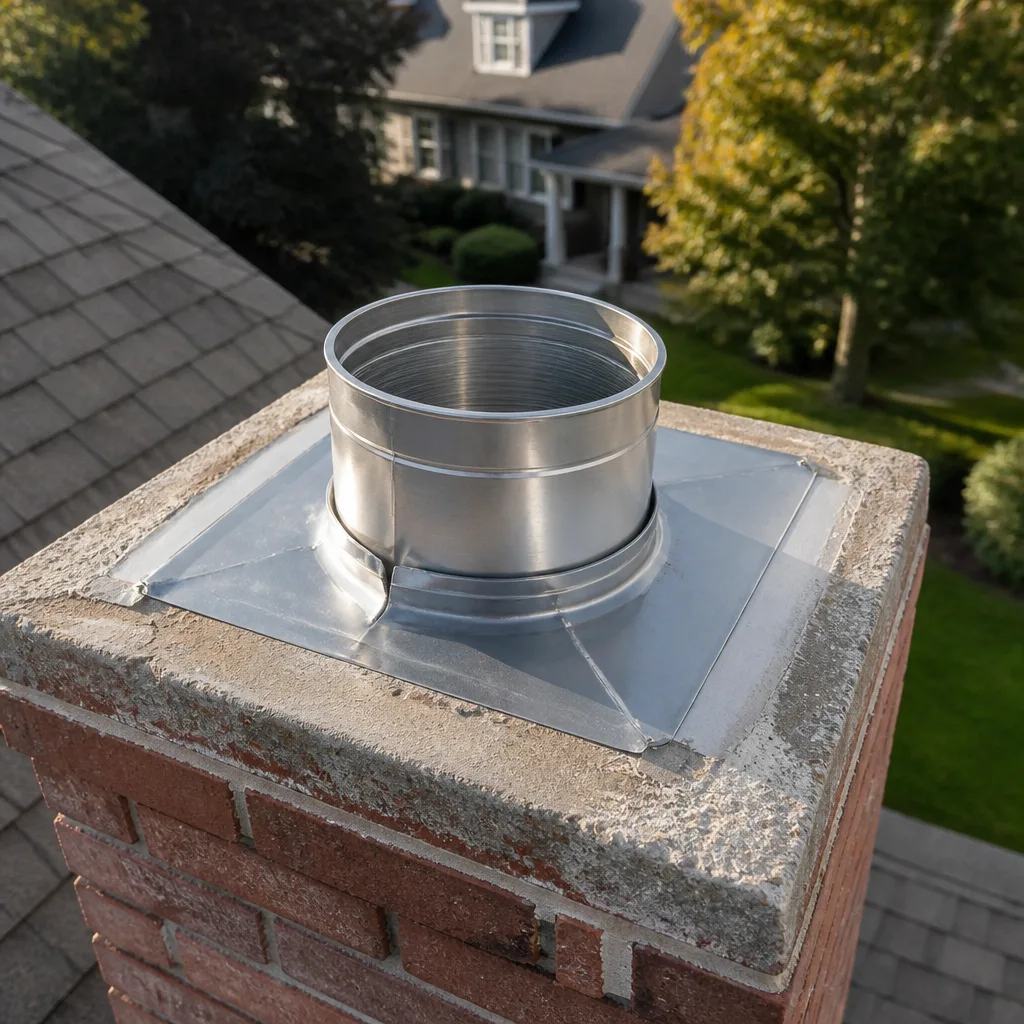 Flue relining
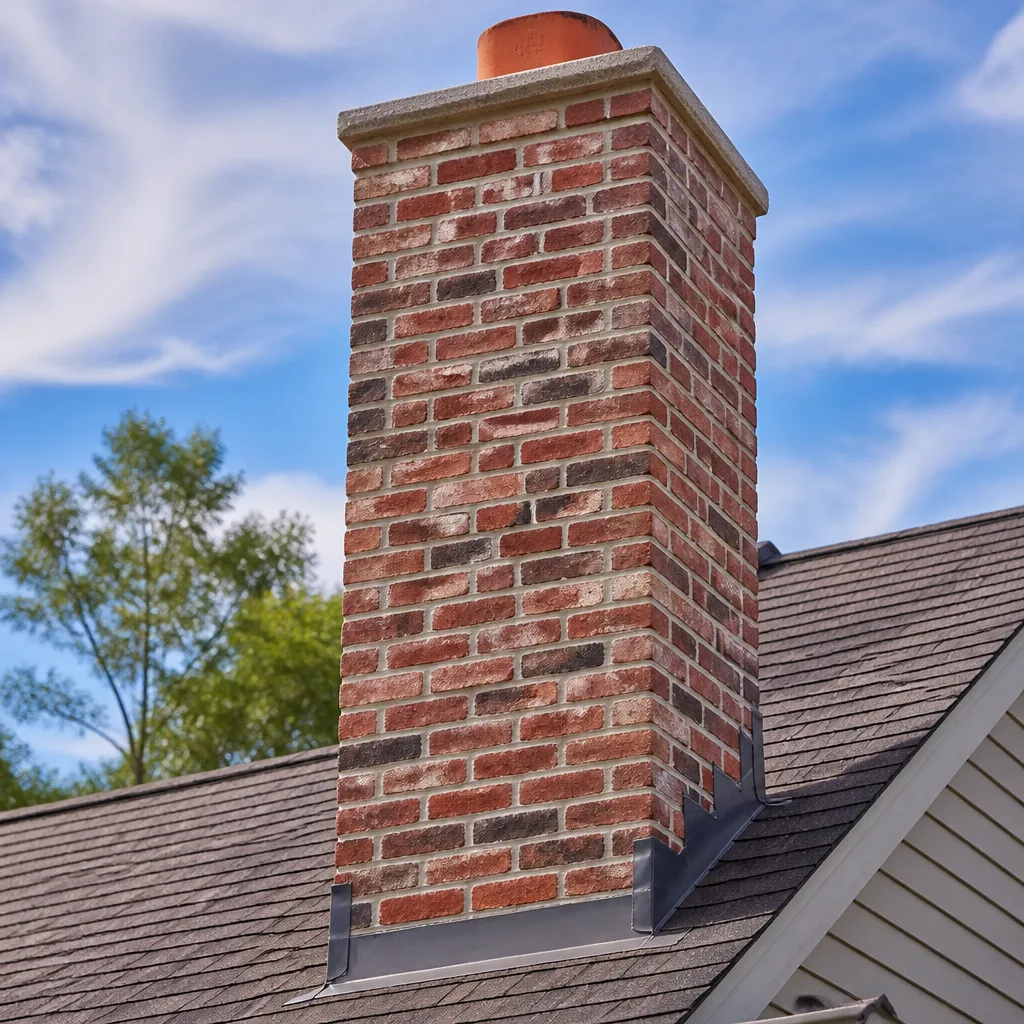 Masonry repair
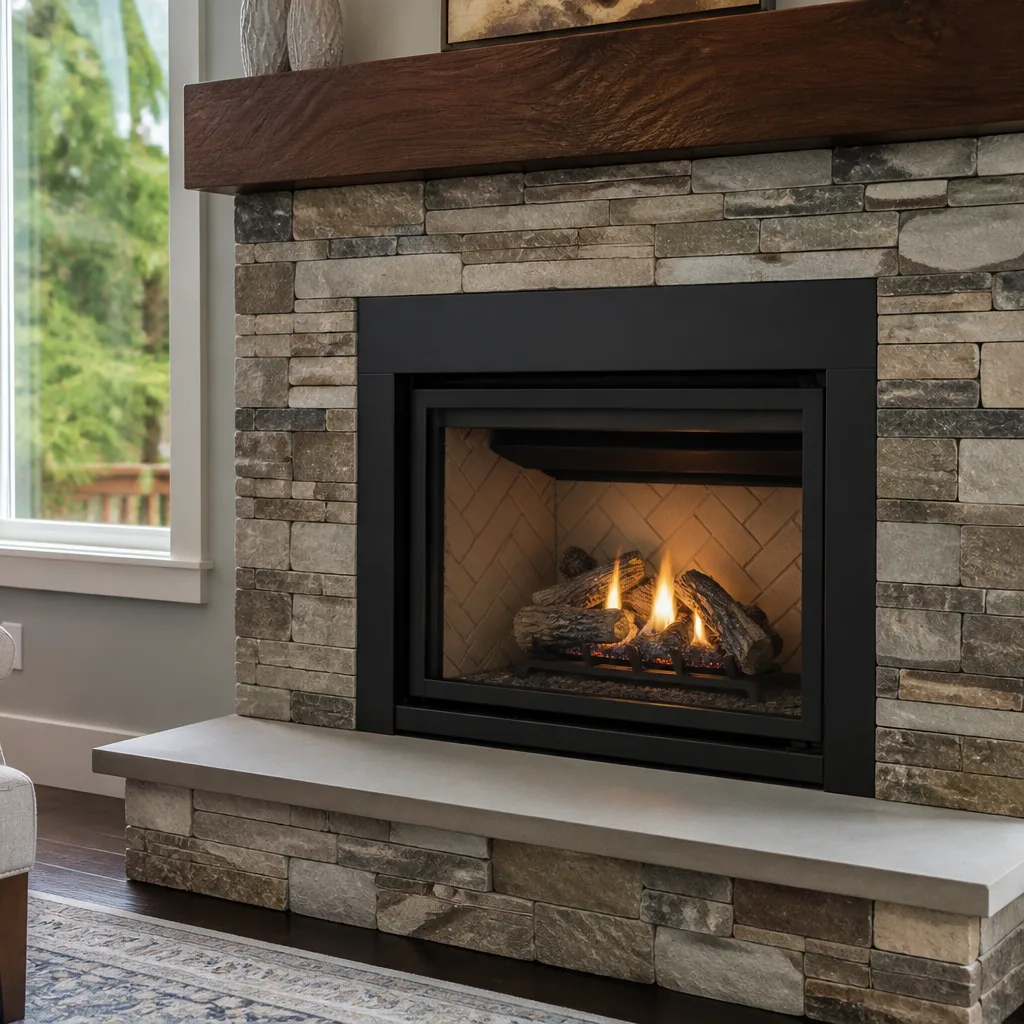 Gas fireplace service
Level 1 sweep and inspection to the NFPA 211 annual standard - flue, crown, cap, and flashing checked and photographed
Chimney sweep logs do not sweep chimneys. They loosen some creosote - which then falls where a brush and vacuum still have to collect it.
Choosing the Right Chimney Cleaning Brand: A Buyer’s Guide for East Flatbush
Most homeowners never think to ask what brand of equipment a sweep uses. They ask about price, maybe availability, and that’s it. But here’s the thing: the products a chimney professional carries tell you more about the depth of their service than any review or sales pitch ever will. Ask a sweep what rotary cleaning system they use. If they pause, shrug, or say “just a brush,” you’ve just learned something important about how they’ll handle a flue with heavy creosote or a fifty-year-old terra cotta liner. This guide walks East Flatbush homeowners through the product categories that actually matter, the brands worth knowing, and how to use brand questions as a hiring filter before anyone shows up at the door.
Quick Answer
The right chimney cleaning brands depend on what they’re built to do: professional sweeps use flexible polypropylene rotary systems for safe liner cleaning, creosote modifiers tailored to the deposit class, closed-circuit video inspection equipment with measurement capability, and specific sealing products like HeatShield for liner resurfacing. In East Flatbush, where much of the housing stock predates modern liner standards, knowing whether a sweep carries professional-grade brands such as DuraFlex, HeatShield, Gelco, or Copperfield tells you whether they can handle the full job or just the surface.
Styles & brands we work with
- Sweep & inspection
- Caps & crowns
- Flue relining
- Masonry repair
- Gas fireplace service
Table of Contents
- Why Chimney Cleaning Brands Tell You Something Real
- Brush and Rod Systems: What Separates Professional from Generalist
- Chemical Treatments and Creosote Modifiers
- Video Inspection Equipment: Basic Camera vs. Closed-Circuit Systems
- Sealing and Waterproofing Products That Actually Hold Up
- Using Brand Questions as a Hiring Filter
- How Professional Sweeps Choose Their Brands
- What East Flatbush Housing Stock Means for Your Chimney
Why Chimney Cleaning Brands Tell You Something Real
Chimney cleaning isn’t a commodity. Two sweeps can show up with a brush and a shop vacuum and charge the same rate, but the outcomes can be drastically different. The difference lives in the tooling. A sweep who has invested in professional-grade brands has usually done so because the cheaper alternatives caused problems on the job: brushes that scar terra cotta, cameras that can’t show a hairline crack in a flue tile, or sealers that peel within a season.
In East Flatbush, this matters more than in newer construction zones. Much of the neighborhood’s housing was built before modern liner standards were common, and years of wood burning have left many flues with creosote deposits that a basic brush-and-vacuum job won’t fully address. We work with six professional chimney-industry brands, including DuraFlex, HeatShield, Gelco, Olympia Chimney, Famco, and Copperfield, because those are the materials certified specialists rely on nationwide. Not because a brand name is magic, but because the tools behind the name are built for specific deposit classes and liner types.
What a sweep carries also hints at what they can do once the sweep is finished. If they find a cracked crown or a spalling cap while they’re on the roof, can they address it on the same visit? Or do they hand you a business card for a mason and drive away? One call that covers sweep, inspection, cap, crown, and repair is a different kind of service than a brush-and-go visit.
Brush and Rod Systems: What Separates Professional from Generalist
The brush is not a brush is not a brush. This is the first brand question worth asking, and the answer tells you more than almost any other. Older terra cotta liners common in East Flatbush row houses and pre-war walkups are softer than modern cast-in-place liners, and a stiff wire brush can scar the clay over time, widening cracks and creating ledges where creosote accumulates faster.
What to look for in a professional rotary system:
- Polypropylene brush heads. These clean without the aggressive scraping of wire bristles. They’re the standard for terra cotta liners because they follow the flue’s contour and won’t gouge the clay.
- Flexible rod ratings. Professional rods are graded by flexibility and are engineered to negotiate offsets, elbows, and the slight bends common in older chimneys. A cheap set of rigid rods will bind on an offset and either damage the liner or stall out.
- Rotary power matched to the deposit class. A light dusting of soot cleans differently than a hard, glazed layer of creosote. The best sweeps bring a whip head for light deposits and a more aggressive chain or blade setup for heavier buildup, then choose based on what they find.
When you ask a sweep what rotary system they use and they name brands and describe the brush type they’d choose for your liner, that’s a good sign. When they say “just a brush,” you’re dealing with someone who hasn’t invested in tooling matched to the job. In a neighborhood where many flues have a half-century or more of use behind them, a one-size brush is not a serious answer.
If you’re comparing services before booking, one call to Chimney Sweep East Flatbush gets you a straight answer on what we use and why. We tell you exactly what we find and what it means before any work begins.
Chemical Treatments and Creosote Modifiers
Creosote is the tar-like byproduct of wood burning, and it comes in three broad stages: light soot, flaky deposits, and the hard, glazed stage that’s the most dangerous because it can ignite. Different products address different stages, and a sweep recommending the wrong one for your deposit class is a red flag worth noting.
Creosote modifiers versus removal agents: they’re not interchangeable.
- Modifiers like Anti-Creo-Soot work chemically over time. They’re designed to change the structure of creosote so it becomes brittle and easier to remove on a subsequent sweep. They are not a one-shot fix, and no modifier should be sold as one.
- Removal agents are meant to soften or break down specific deposit types for immediate cleaning. They’re typically used alongside mechanical brushing, not instead of it.
- What a good sweep does: they identify your deposit class first, then recommend the modifier only if it fits. A sweep selling you a “creosote remover” without looking at the deposit is guessing.
In East Flatbush, where many chimneys see regular wood fires through the cold months, deposits can build quickly if the chimney is under-drafted or the wood isn’t well seasoned. A sweep who can explain deposit class and match a product to it has done their homework. One who can’t probably hasn’t.
We use chemical products from the professional lines, not generic hardware-store substitutes, because the ratios and application methods are matched to real deposit types. And if you want a full sweep done on a schedule that respects your burn habits, our chimney sweep service covers exactly that.
Video Inspection Equipment: Basic Camera vs. Closed-Circuit Systems
Every sweep should have a camera. But not every camera is a video inspection system, and for East Flatbush homes over fifty years old, the difference matters. A basic camera shows you the flue on a screen. A closed-circuit inspection system with measurement capability gives you a condition report you can use for real estate, insurance, and repair planning.
What a professional-grade inspection system includes:
- A closed-circuit camera head with adjustable lighting and resolution capable of showing hairline cracks in flue tiles.
- Measurement reference so the technician can report the exact dimensions of cracks, obstructions, or gaps.
- Recording and photo documentation so you receive a report you can keep, share with an insurer, or use during a home sale.
- A technician who knows how to read the footage. The equipment is only as good as the person interpreting it, so ask what they look for.
For any East Flatbush home with a pre-war or mid-century chimney, a proper video inspection is the difference between “looks fine” and a documented condition report. A chimney inspection is a safety document, not just a formality, and we treat it that way. If you’re buying or selling, an inspection gives the transaction a real record instead of a verbal shrug.
If a sweep shows up with a camera that fits in a phone case and no way to measure anything, you’re getting a look, not an inspection. The equipment they use says which one it is.
Sealing and Waterproofing Products That Actually Hold Up
Water is a slow-motion destroyer of masonry. Freeze-thaw cycles push moisture into brick and mortar, then expand it overnight, and the crack widens a little more each winter. In East Flatbush, the pattern is familiar: a crown that looked fine in autumn shows spalling by spring, and a cap that weathered a few seasons starts letting rain drive sideways into the flue.
Professional-grade sealing products do two things that hardware-store alternatives typically don’t:
- They breathe. Masonry needs to let water vapor escape, or the coating traps moisture inside and accelerates spalling. A chimney-specific masonry waterproofing compound is formulated for that balance.
- They hold a bond through thermal cycling. A crown sealer takes the same freeze-thaw punishment as the crown itself, so the product is engineered for flexibility, not just surface protection.
Crown sealers from professional lines are also matched to specific repair scenarios. A sweep who carries Gelco and Famco cap and crown components can size, fit, and install a cap at the job site rather than ordering and rescheduling. That’s a real time difference when your current cap has blown off or failed in a storm.
We also use HeatShield for chimney liner resurfacing, a product-specific solution that can restore a damaged liner without the cost of full reliner replacement. HeatShield resurfacing is not right for every liner condition, but when it fits, it extends service life and saves the homeowner a bigger job. That’s the kind of option a sweep-only company can’t offer, because they don’t carry the materials or the application training.
If your cap or crown needs attention, our chimney cap & crown service covers installation and repair with the same professional components. And when a repair goes deeper, we handle chimney repair in-house with DuraFlex relining and HeatShield-certified work.
Using Brand Questions as a Hiring Filter
You don’t need to become a chimney expert to ask good questions. You just need to know which ones separate a specialist from a generalist. Here’s a short script for your next call.
- “What rotary cleaning system do you use, and why?” A specialist will name it and explain the brush choice for your liner type. A generalist will shrug.
- “How do you handle glazed creosote?” The right answer mentions deposit class and a plan, usually a modifier plus a follow-up sweep. The wrong answer promises to “brush it out” in one visit.
- “What inspection equipment do you bring?” A closed-circuit system with measurement and a written report is a specialist answer. A phone camera is not.
- “Can you do cap and crown work on the same visit if you find a problem?” If not, you’re about to hire a second contractor.
- “What sealing products do you use on crowns and masonry?” A specific professional line is a good sign. “Whatever’s at the supply house” is not.
A knowledgeable sweep will spend five minutes talking shop on these questions, because the tools are part of the craft. A vague answer, or worse, a defensive one, tells you the depth of service you’re about to receive. In East Flatbush, where many homes have chimneys that haven’t been touched in years, that depth matters more than a few dollars on the estimate.
How Professional Sweeps Choose Their Brands
There’s a reason the professional-grade brands show up again and again on specialist trucks. DuraFlex and Olympia Chimney parts are chosen because they hold up to real flue conditions and pass through inspection. HeatShield is chosen because it offers a tested resurfacing method for liners that don’t need full replacement. Gelco and Famco cap and crown components are chosen because they size and fit at the job site, with materials that have long weatherproofing track records. Copperfield plays a similar role for the parts and components that need to last.
The point isn’t that a particular brand name is universal. It’s that professional sweeps choose brands with published technical specs, application training, and a track record with inspectors. When we tell you what we carry, we’re telling you we’ve made that investment. Our technicians have up to 12 years of experience, and that experience is why the brand choices are what they are.
The other half of the picture is what the sweep does after the cleaning. A brand question can also ask: “what happens if you find a crack, a spalled crown, or a detached cap while you’re up there?” The answer should include a path forward, whether that’s a repair estimate, a resurfacing option like HeatShield, or a reline with DuraFlex if the flue is beyond resurfacing. A company that can carry that work out without sending you to someone else is a different relationship than a brush-and-go visit.
What East Flatbush Housing Stock Means for Your Chimney
East Flatbush is a neighborhood of row houses, walkups, and detached homes from a range of eras, and much of that housing predates modern liner requirements. That has real consequences for chimney work.
- Older terra cotta liners are common, and they’re more prone to cracking and spalling than newer cast-in-place systems. That’s why polypropylene brush heads and flexible rods matter here.
- Flues that have sat unused through renovations or seasonal vacancies can accumulate heavy creosote or nest debris that a light sweep won’t clear.
- Crowns and caps on older masonry take years of weather and often show spalling or displacement by the time anyone looks up. A sweep that can handle the roof-side work saves you a second call.
- Freeze-thaw cycles across a long Northeast winter work masonry hard, which is why a breathable masonry waterproofing sealant holds up better than a surface coating.
None of this is unique to one street or block, but it does mean East Flatbush sweeps should be equipped for older flues, not just newer ones. A brand question you ask in East Flatbush is often really a question about whether the sweep’s tooling matches the age of the neighborhood’s housing stock.
Common Mistakes to Avoid
- Hiring on price alone. A very low quote usually means a basic brush-and-vacuum job with no inspection and no brand investment behind it. You save on the invoice and pay for it at the next sweep, or worse, at an inspection.
- Accepting a “looks fine” without a report. Verbal reassurance isn’t documentation. Ask for a written inspection with photos so you have a record you can use for insurance or a sale.
- Assuming any sweep can do the repair. Sweep-only companies hand off repairs to someone else, which means a second scheduling call and a second crew in your home. Ask upfront if the same company can handle cap, crown, and liner work.
- Skipping the creosote question. If your flue has glazed creosote and the sweep doesn’t mention a plan for it, you’re getting a surface clean, not a sweep that addresses the fire risk.
- Letting a hardware-store sealer touch your crown. Non-breathable coatings trap moisture and worsen spalling. Use masonry products designed for chimney work.
- Waiting too long between sweeps. Annual cleaning is the working baseline for a used wood-burning fireplace, and skipping seasons lets deposits thicken into a harder removal job.
- Not asking about resurfacing options. A cracked liner doesn’t always mean full replacement. If a sweep doesn’t mention resurfacing as a possible alternative, ask, because it can change the cost of the job.
See the difference
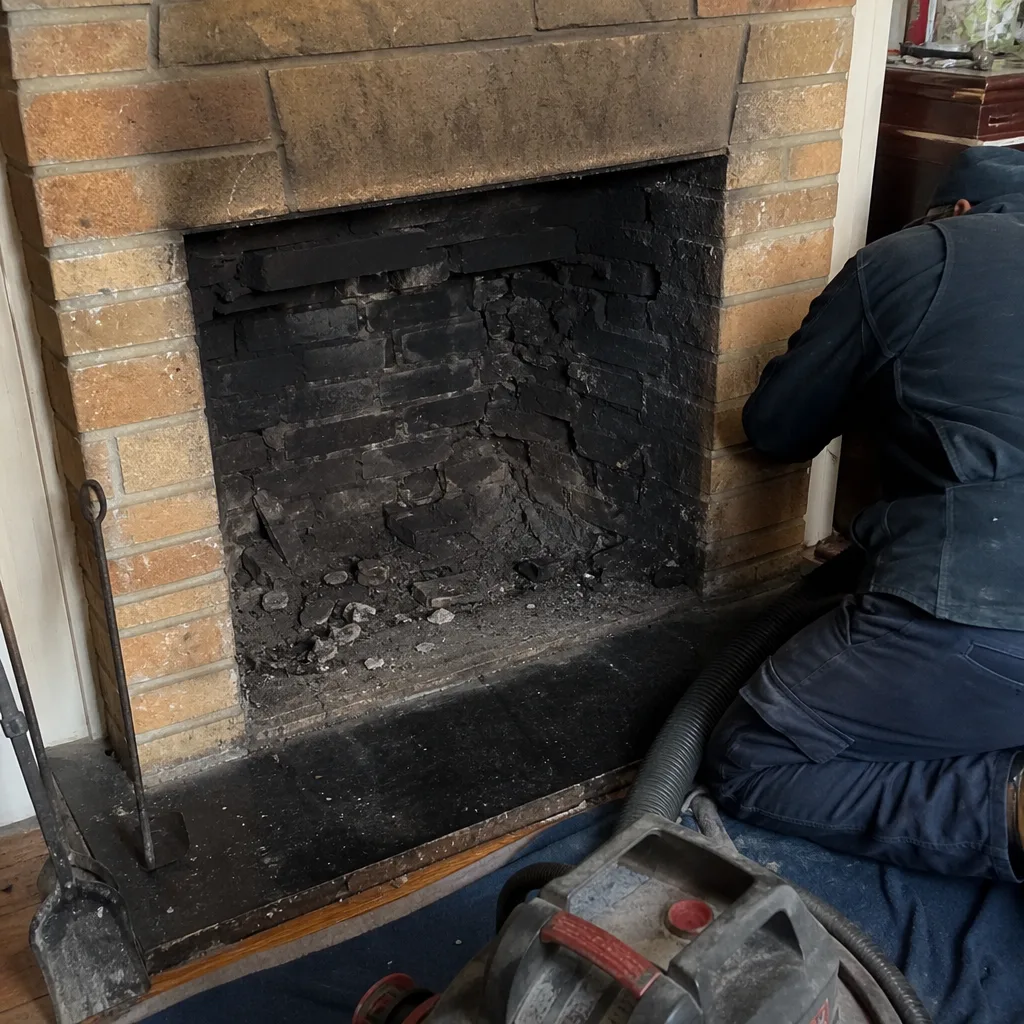 Before
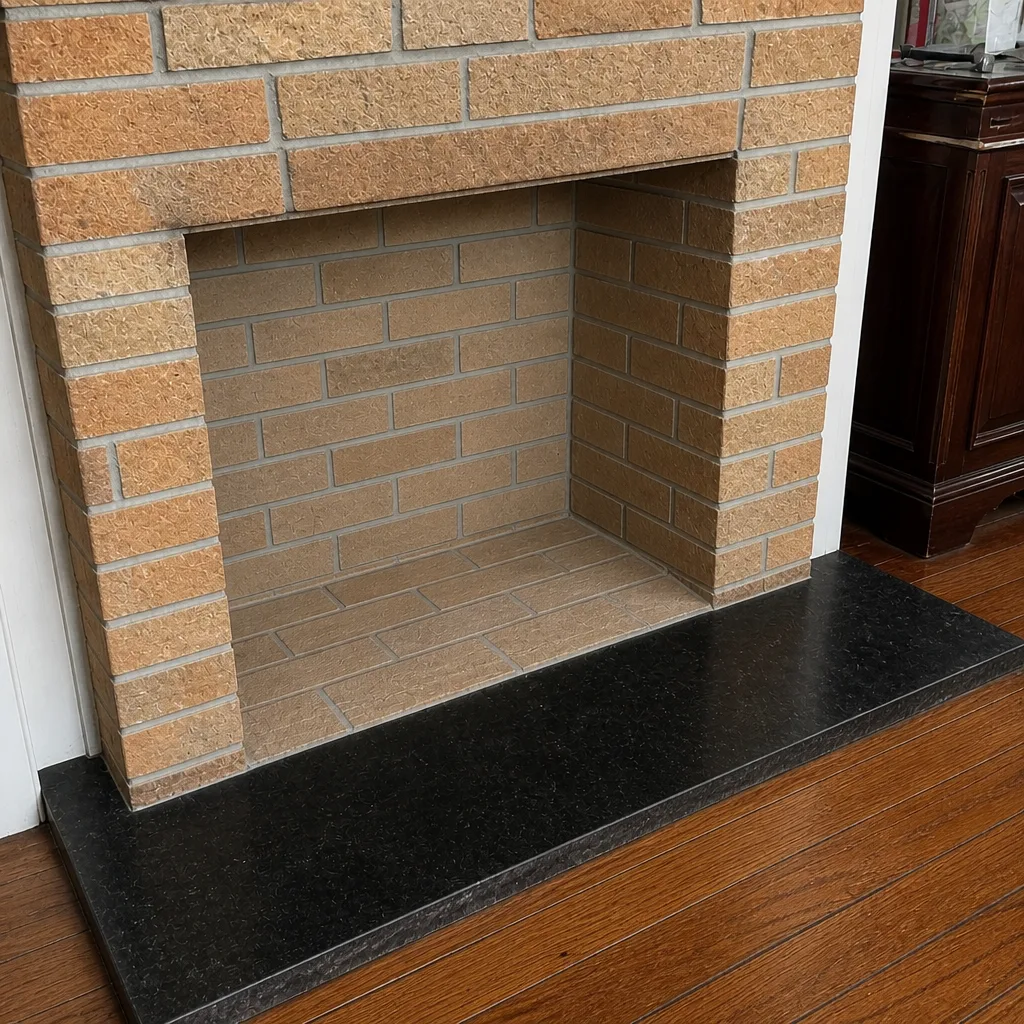 After
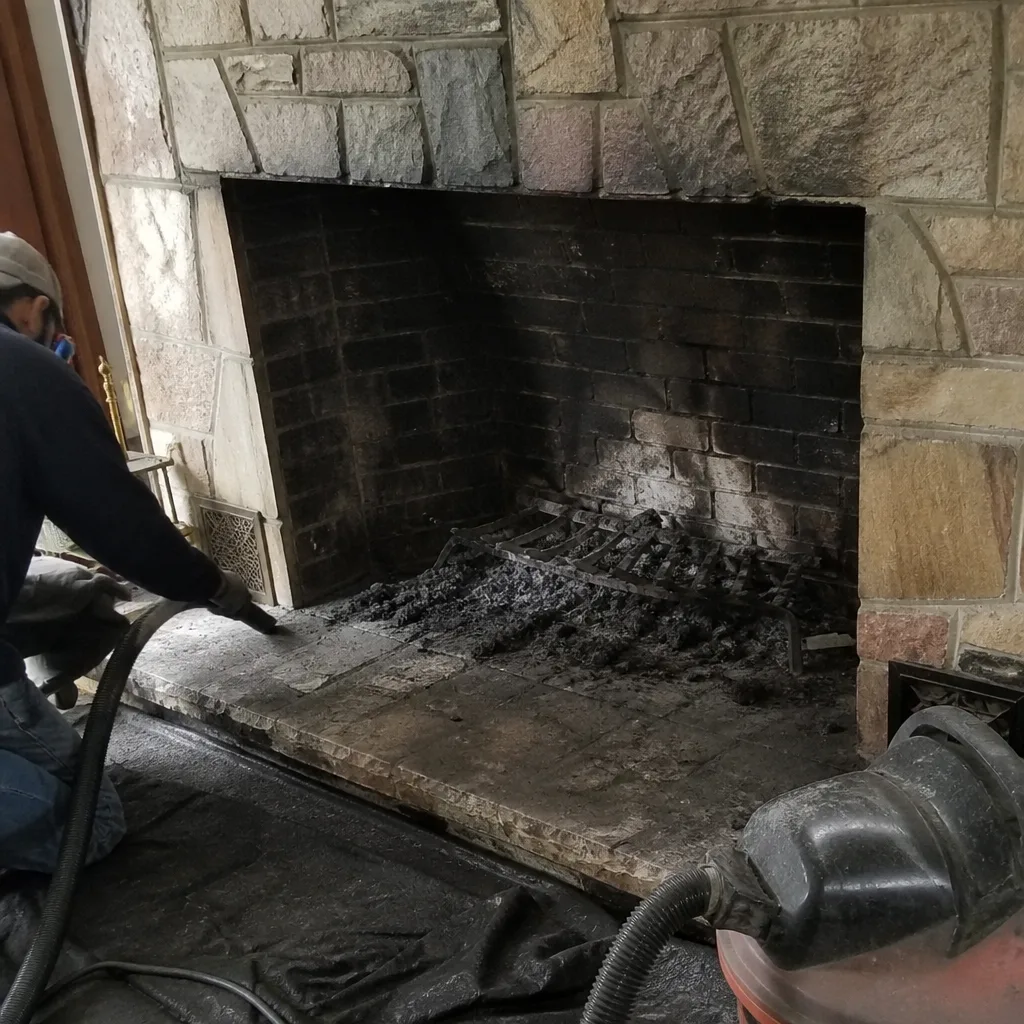 Before
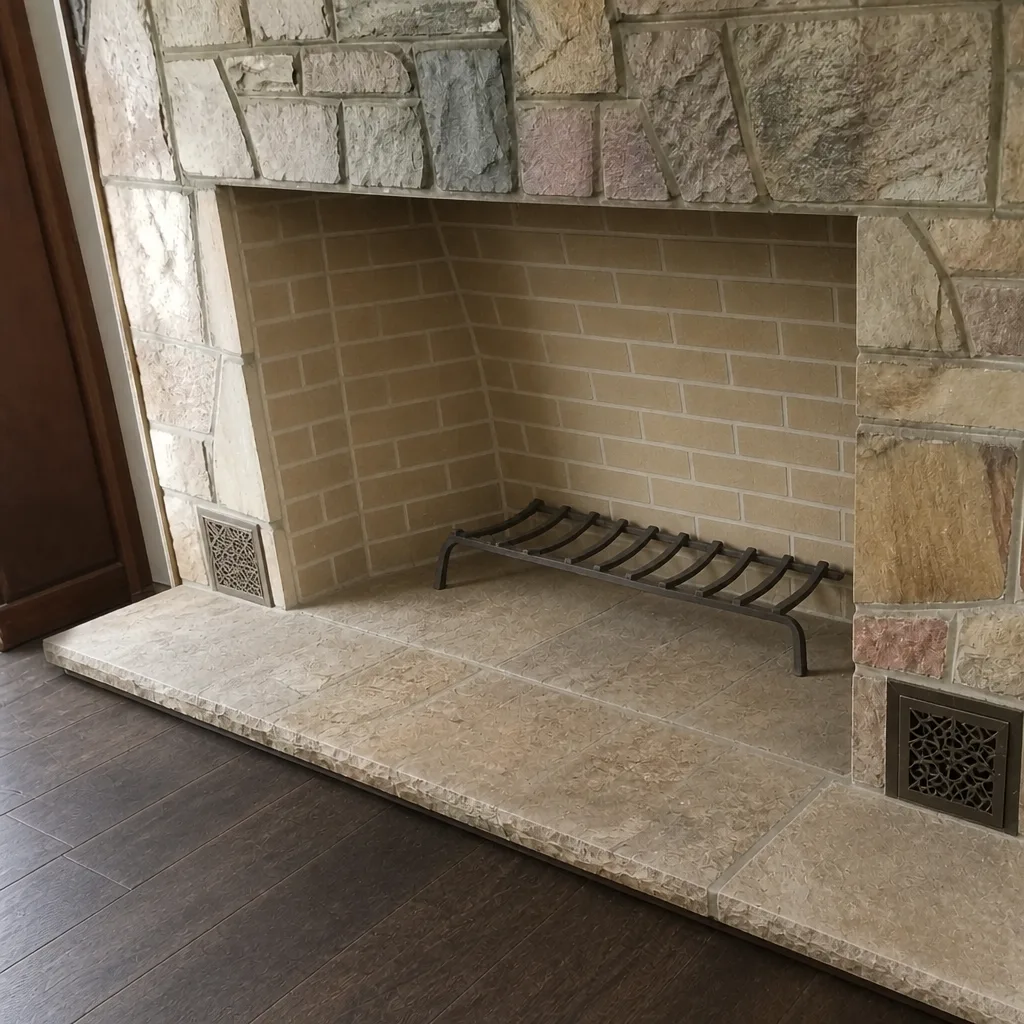 After
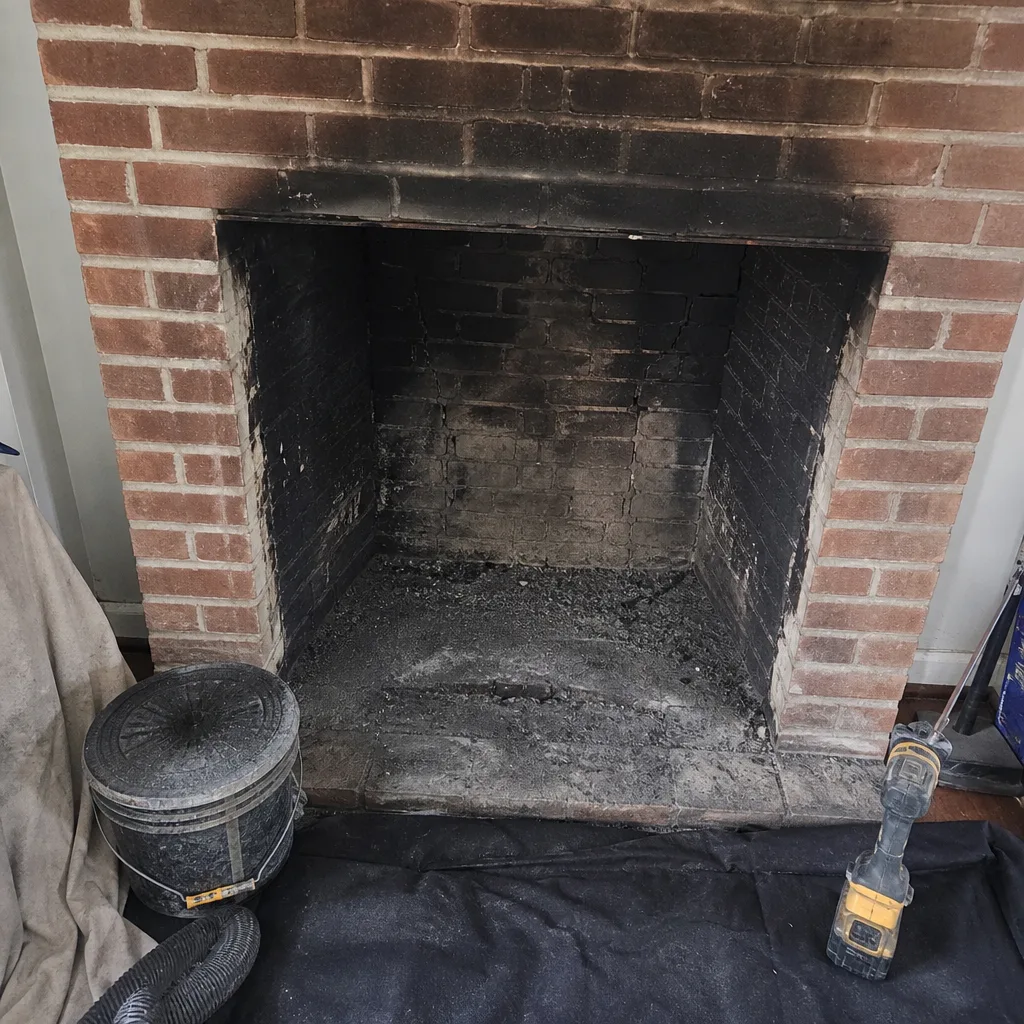 Before
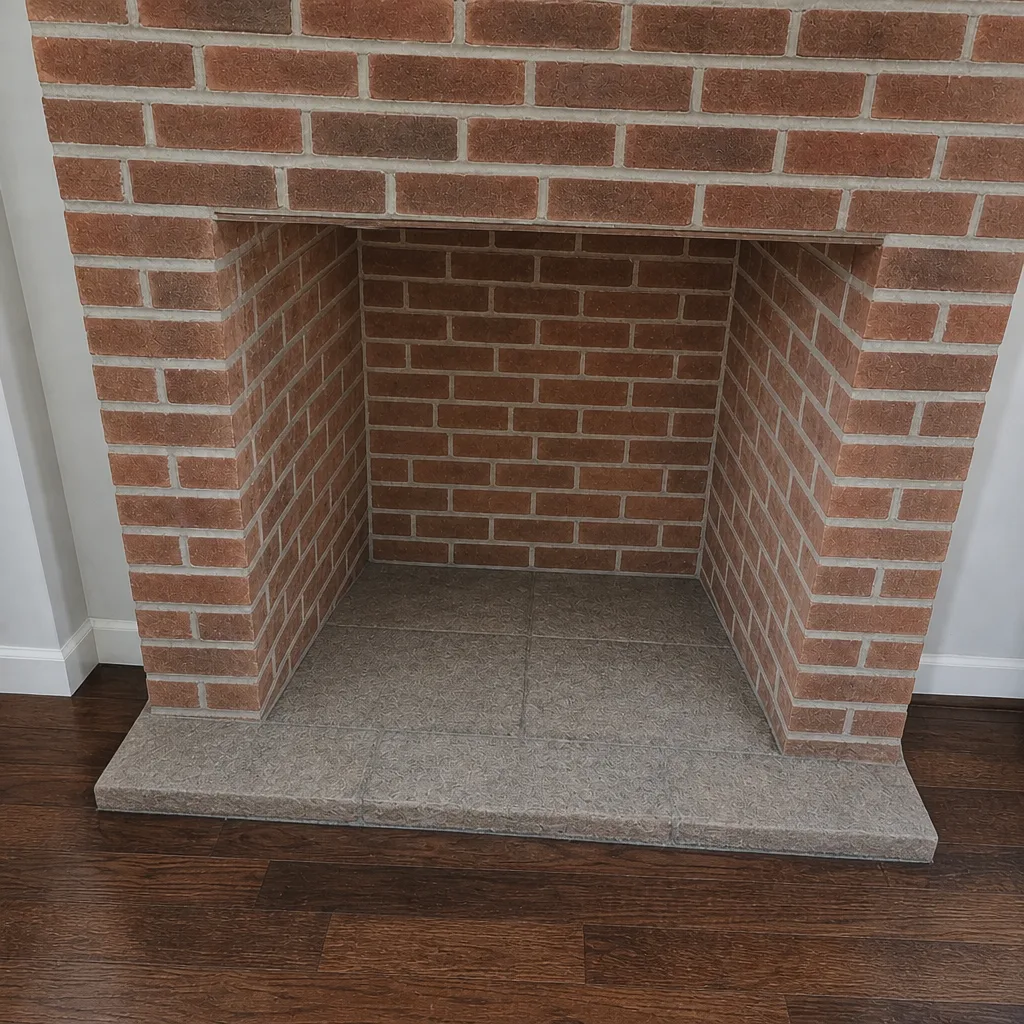 After
When to Call a Professional
Call a professional when you smell smoke in the house on a fire that used to draft cleanly, when you see dark staining at the top of the firebox, or when a cap has come loose after a storm. Call if you’ve moved into an East Flatbush home and have no record of when the chimney was last swept, if you’re getting ready to sell and need a documented inspection, or if your liner condition is unknown and you’re planning regular fires this winter. Any of these are good reasons to have someone with the right equipment look up the flue. Chimney Sweep East Flatbush offers free estimates in East Flatbush. Call (844) 932-2112. We answer 24/7. Fast dispatch from 7am to 7pm, Sunday through Friday.
Frequently Asked Questions
A professional sweep should use a rotary system with polypropylene brush heads and flexible rods, matched to your liner type and deposit class. Those materials are the standard for older terra cotta liners because they clean without gouging the clay. If a sweep can’t name the system they use, or describes it as “just a brush,” that’s a sign their tooling isn’t matched to the job. Call (844) 932-2112 for an exact quote. Estimates are free.
Yes. Creosote modifiers like Anti-Creo-Soot are designed to change the structure of creosote over time, while removal agents are meant to soften deposits for immediate cleaning. The right product depends on your deposit class, which is why a sweep should identify the deposit before recommending anything. A one-size recommendation is a hint they aren’t assessing the flue properly. Call (844) 932-2112 to book an assessment.
Older flues are more likely to have hairline cracks and spalling that a basic camera can’t measure or document. A closed-circuit system with measurement capability produces a written condition report you can use for insurance, a home sale, or repair planning. If your home is over fifty years old, that level of inspection is worth asking for. Call (844) 932-2112 to book a standalone inspection.
HeatShield resurfacing restores a damaged liner by applying a product-specific coating that extends its service life. It’s a cost-saving option when the liner is structurally sound enough to accept resurfacing, and full reline with something like DuraFlex is the answer when it isn’t. A sweep that offers both options can give you an honest comparison instead of steering you to the bigger job. Call (844) 932-2112 to talk through which option fits your flue.
You can, but it’s not the right product for chimney work. Masonry needs to breathe, and a non-breathable coating traps moisture inside and accelerates spalling through freeze-thaw cycles. Professional-grade crown sealers and masonry waterproofing compounds are formulated for chimney conditions. If a sweep uses generic sealer, ask why. Call (844) 932-2112 to book cap and crown service with the right materials.
Ask directly, before booking: “If you find a cracked crown or a loose cap, can you fix it on the same visit?” A specialist with the full set of services will say yes. A sweep-only company will hand you a referral. One call that covers sweep, inspection, cap, crown, and repair is a different kind of service than a brush-and-go visit. Call (844) 932-2112 for a free estimate that covers the full scope.
The Bottom Line
The brands a chimney sweep uses are the clearest signal of how deep their service goes. Polypropylene rotary systems protect older liners, deposit-matched chemical treatments address real creosote conditions, and closed-circuit inspection gear gives you a document you can actually use. Professional-grade sealing products hold up through East Flatbush winters where generic coatings fail. If you ask the right brand questions before booking, you’ll know in five minutes whether you’re getting a specialist or a generalist. Our team works with DuraFlex, HeatShield, Gelco, Olympia Chimney, Famco, and Copperfield, and one call covers the full job. Call (844) 932-2112. We answer 24/7. Fast dispatch from 7am to 7pm, Sunday through Friday.
Written by the team at Chimney Sweep East Flatbush.