
Last updated November 22, 2026
 Sweep & inspection
 Caps & crowns
 Flue relining
 Masonry repair
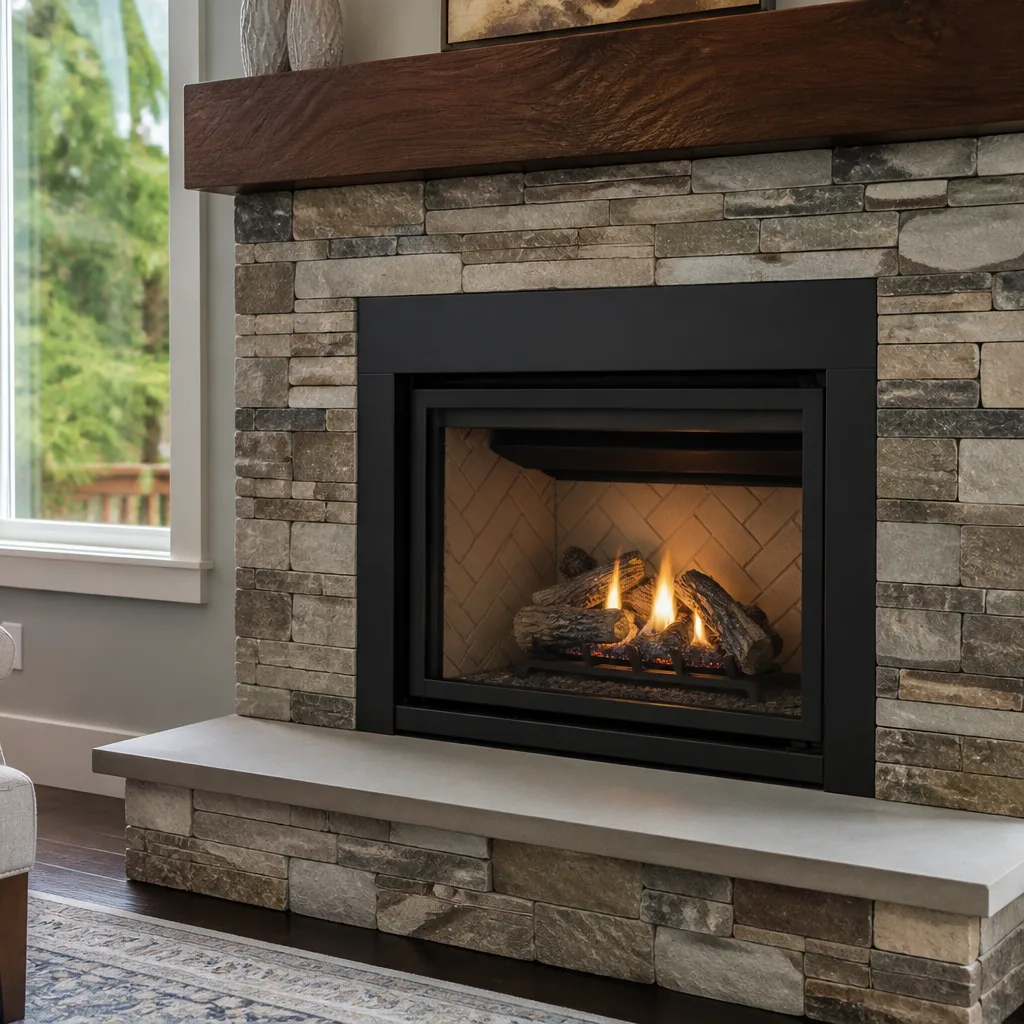 Gas fireplace service
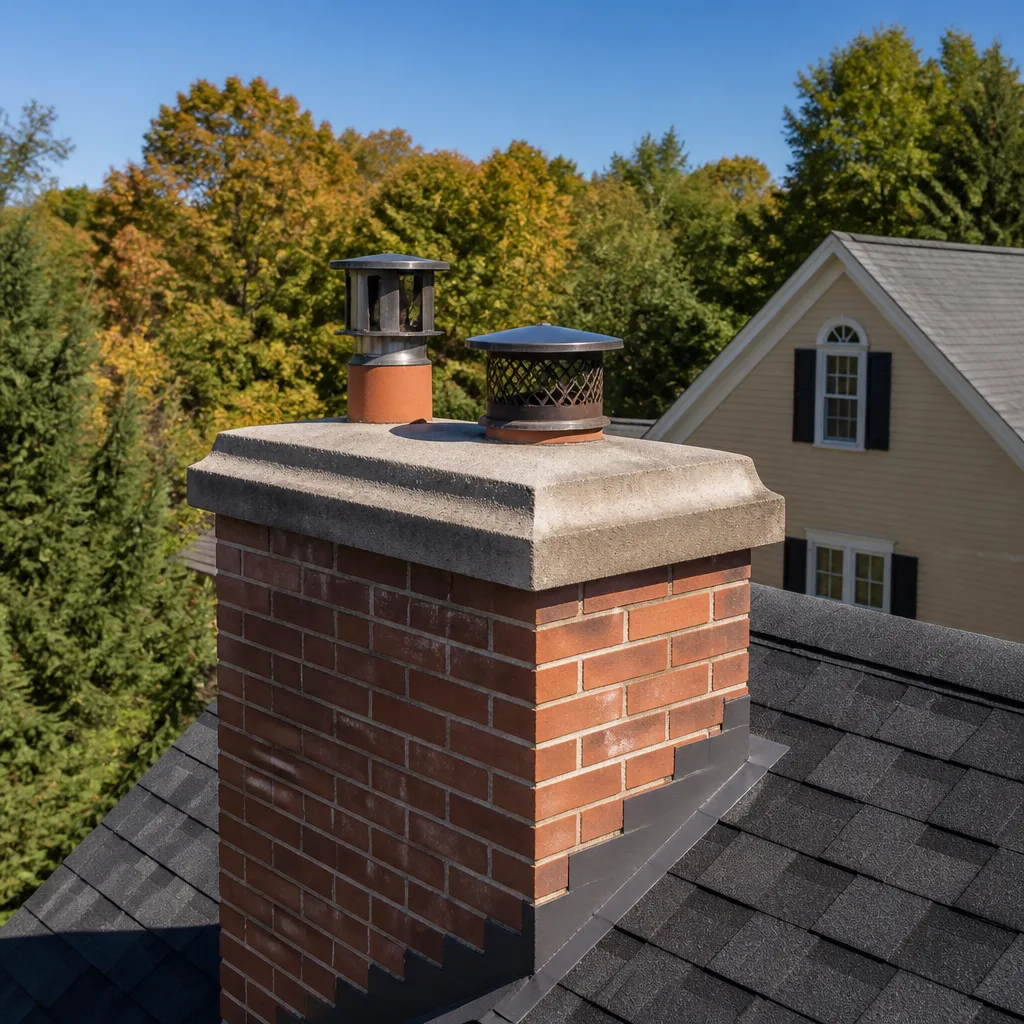
Level 1 sweep and inspection to the NFPA 211 annual standard - flue, crown, cap, and flashing checked and photographed
Chimney sweep logs do not sweep chimneys. They loosen some creosote - which then falls where a brush and vacuum still have to collect it.
Chimney Sweep Troubleshooting in East Flatbush: Common Problems and How to Fix Them
If your chimney smokes back into the room, the instinct is to blame the damper. Nine times out of ten it isn’t the damper at all. In East Flatbush’s older housing stock, the real culprit is more often negative air pressure: weatherized homes with sealed replacement windows and tight door sweeps starve the firebox of combustion air, and the chimney pulls smoke down instead of pushing it up. That’s one of five structural zones we walk through below, and the good news is that nearly every chimney symptom you can name traces back to one of them. This guide maps the symptom to the zone so you can stop guessing and start asking the right questions before you spend money.
Quick Answer
Chimney problems in East Flatbush almost always trace to one of five structural zones: the firebox, the smoke shelf, the damper, the flue liner, or the crown and cap. Smoke rolling into the room usually points to negative air pressure or a smoke shelf problem, not a bad damper. A smoky smell in summer points to a clogged flue or an open cap. Water stains point to the crown or cap. Liner cracks and sizing mismatches point to the flue. A trained sweep can inspect all five zones and tell you which one is failing.
Styles & brands we work with
- Sweep & inspection
- Caps & crowns
- Flue relining
- Masonry repair
- Gas fireplace service
Table of Contents
- The Five Structural Zones of a Chimney
- Symptom-to-Zone Troubleshooting Chart
- Why East Flatbush Chimneys Smoke: Negative Air Pressure
- What Pre-War Rowhouses and 1950s Brick Tell You
- DIY-Safe Diagnostics vs. What Requires a Certified Sweep
- When a Draft Problem Is Really a Liner Sizing Mismatch
- Water, Crown, and Cap Problems
- Common Mistakes to Avoid
The Five Structural Zones of a Chimney
Every chimney is a stack of five functional zones, and each one fails in its own characteristic way. Knowing the zones helps you describe the problem to a sweep in one sentence instead of ten. Here they are, bottom to top.
- Firebox. The fire burns here, and the firebox walls take the most direct heat. Cracked firebrick, crumbling mortar joints, and warped grate bars all start at this zone and eventually compromise the fire above and the structure around it.
- Smoke shelf. A flat ledge just above the firebox where the flue widens. It exists to catch turbulence, but soot and creosote settle on it and block the draft if it’s not swept. In older East Flatbush rowhouses it’s often shallow and heavily coated.
- Damper. The metal plate that opens and closes the throat. Dampers fail by rusting shut, warping out of alignment, or losing their frame gasket. A damper that’s stuck half-open is a common root cause of a “smoky” chimney.
- Flue liner. The clay tile or metal liner that carries smoke up and away. It cracks, spalls, and separates at the joints. A liner is the single most important safety component in the whole stack.
- Crown and cap. The crown is the sloped concrete top that sheds water away from the flue. The cap is the cover that keeps rain, birds, and animals out of the top. Both fail from freeze-thaw cycles and from wind-driven rain.
If we could teach homeowners one thing, it’s that these five zones work as a system. A cracked crown lets water down into the flue, the water freezes and spalls the clay tile, and suddenly the “problem” is at the firebox when the failure started at the top. Zone-by-zone inspection is why a standalone chimney sweep visit matters more than a quick brush down the flue. For a full picture of the sweep service itself, see our main Chimney Sweep East Flatbush page.
Symptom-to-Zone Troubleshooting Chart
Here’s the troubleshooting shortcut we hand to customers: match the symptom to the zone before anyone touches a tool. It saves time and it stops the wrong repair from getting sold to you.
- Smoke rolls into the room when you light a fire: Usually the smoke shelf or negative air pressure. Less often the damper is stuck partway open.
- Smoky, ashy smell in the room when no fire is burning: Clogged flue, lodged soot on the smoke shelf, or a cap that’s missing or nested on the wrong size.
- Soot or dark discoloration around the fireplace opening: Firebox or smoke shelf. The fire isn’t drafting properly and is back-puffing.
- Water stains on the ceiling, walls, or firebox interior: Crown or cap. Water is getting in from the top, not from the firebox.
- Flaking or powdery white staining on brick: Crown or chimney masonry leaking water and pulling salts from the brick.
- Draft weakens after a new appliance or insert is installed: Flue liner sizing mismatch. The flue is too large or too small for the new appliance.
- A “whoosh” or “whump” sound when the fire is burning: A blocked flue with creosote or a liner restriction. This is a safety alert, not a nuisance.
- Bits of clay tile or cement falling into the firebox: Flue liner failure. Stop using the fireplace until a sweep inspects it.
- Dowel or chimney cap visible looseness or missing mesh: Crown and cap. Call before the next storm season.
We’ve seen each of these symptoms in East Flatbush chimneys, and the mapping holds up across almost every house type in the neighborhood. The chart isn’t a substitute for inspection, but it’s the right starting place.
Why East Flatbush Chimneys Smoke: Negative Air Pressure
Here’s the troubleshooting factor most online guides skip. A house that has been weatherized by sealing replacement windows, adding door sweeps, wrapping ducts, and closing off an old drafty attic can pull a measurable vacuum against the chimney. Add a kitchen exhaust fan, a bathroom fan, or a dryer on an inner wall, and the pressure on the firebox gets worse, not better. The chimney can only draft if it can pull air. A tight house starves it.
This is why “my chimney smokes and the damper is fine” is one of the most common calls we take from East Flatbush homeowners. The damper opens fine, the flue is clear, the cap is in place, and the fire still back-drafts. The fix isn’t a new damper or a bigger flue. It’s restoring combustion air or reducing the pressure differential the house is creating.
Quick checks that point to pressure, not structure:
- The fireplace drafts fine on mild days but smokes on cold, windy days. That’s an air supply problem, not a flue blockage.
- The fire burns fine with the window cracked. That confirms the house is too tight.
- The fireplace smokes when the bathroom fan, oven hood, or dryer runs. Same conclusion.
- A second fireplace on the same house pulls better than the first. Shared flues and pressure differences follow each other.
The trade fix is usually a combination of combustion air and draft correction. A certified sweep can measure draft before and after and show you the number. That’s more useful than guesswork.
What Pre-War Rowhouses and 1950s Brick Tell You
East Flatbush chimneys are not suburban chimneys, and the failure patterns follow from the housing. Pre-war rowhouses were built with party-wall chimneys shared with the adjacent unit, often with clay tile liners laid flush inside the common brickwork. When one side of the party wall fails, the neighboring property can be affected, and that’s a conversation homeowners don’t always realize they’re having.
1950s brick construction in the neighborhood includes mid-century additions, sometimes with a second chimney added after the original build. Those later additions tend to have different mortar, thinner walls, and less attention to crown slope. They show water damage first.
What we routinely see in East Flatbush:
- Crowns that were patched with a fast-setting compound, held for a couple of winters, then cracked again because the slope was never corrected. Crown work with proper Gelco and Famco components does the job once because the material and pitch are right.
- Clay flue tiles between 40 and 80 years old, separated at the joints, sometimes with two or three tiles cracked from frost. Cracked tile allows carbon monoxide into the masonry and into the house.
- Caps that were sized by eye, sitting loose on an oversized flue, or never installed at all. Cap fit is why we stock Gelco and Famco cap solutions, so the size is right and the install is finished the same visit.
- Soot build-up on the smoke shelf deeper than the flue itself, especially in houses where the fireplace was used for supplemental heat through a cold snap and then sat idle for years.
- Weatherized replacement windows installed without any combustion air relief, which pushes the chimney into the negative pressure scenario described above.
Understanding these neighborhood-specific patterns is why we treat chimney repair as a diagnostic discipline, not a rotating menu of products. The house tells you what it needs.
DIY-Safe Diagnostics vs. What Requires a Certified Sweep
Some checks are safe to do yourself. Others put you on a ladder or inside a flue where a fall or a creosote exposure could be serious. Here’s where we draw the line.
DIY-safe:
- Visual check of the firebox interior with a flashlight. Look for cracked firebrick, crumbling mortar joints, or warped grate bars.
- Damper operation test. Open and close it with the fire out and cold. It should move without binding.
- Smoke test with a lit incense stick held near the open damper. If the smoke goes up and out, draft is working. If it curls back into the room, note the conditions: cold outside, window state, fans running.
- Exterior visual sweep from the ground with binoculars. Crown cracks, missing caps, and crumbling mortar are visible from outside.
- Checking the carbon monoxide alarm on every floor and replacing the battery on schedule.
Requires a certified sweep:
- Anything above the roofline that needs a ladder or a roof walk. Falls are the leading cause of chimney-related injury in the trade.
- Any inspection or cleaning of the flue itself. Creosote is a known skin and respiratory irritant, and the dust raised during a DIY brushing stays in the living space for days.
- Liner inspection, camera work, and any evaluation of tile joints or liner cracks.
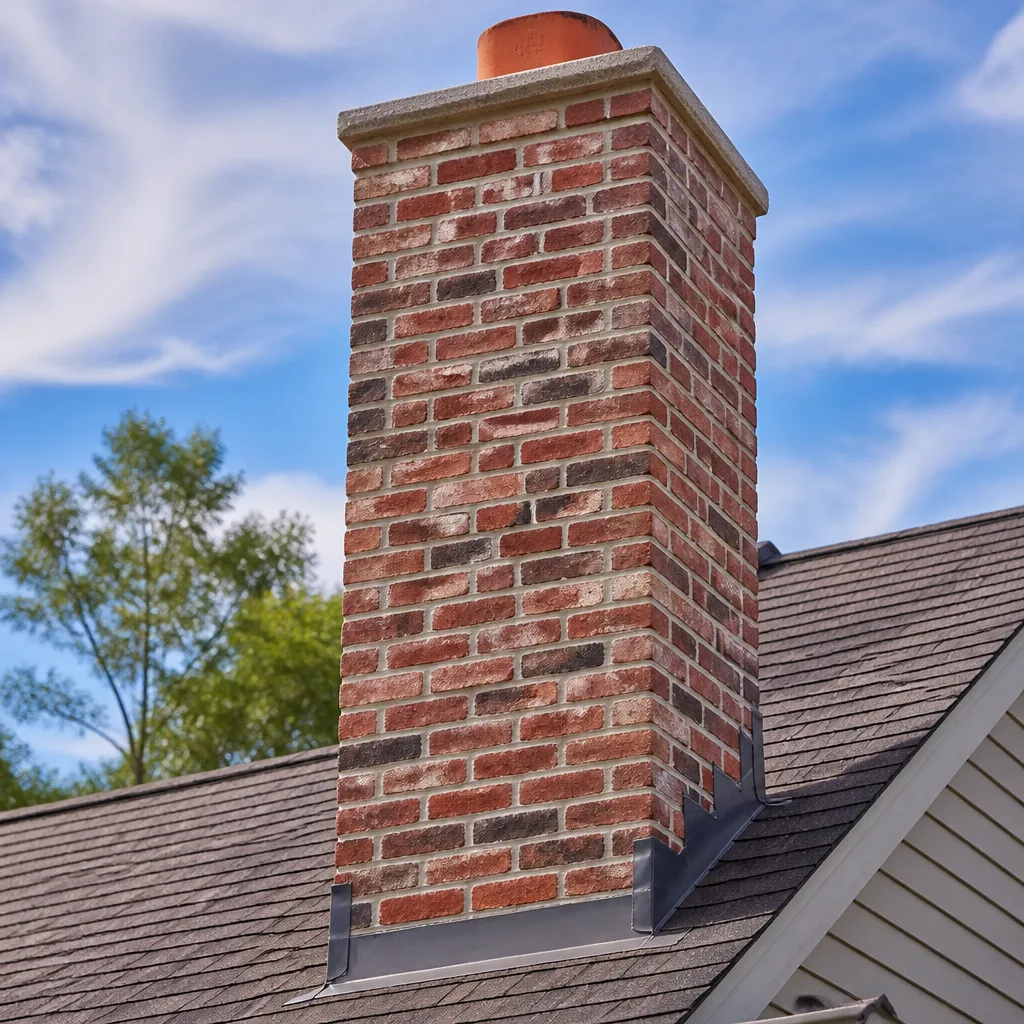
- Any repair that involves mortar, masonry, or structural work.
- Any situation where you’ve seen clay tile fragments or soot spilled into the firebox, or smelled smoke inside the room with no fire burning. Those are stop-use conditions and require an inspection before the fireplace is used again.
The chimney inspection is a standalone service and a safety document, not a checkbox at the end of a cleaning. That’s why we sell it that way. If you need a licensed and insured local sweep for the flue work, we connect you to one who carries the right credentials for the job.
When a Draft Problem Is Really a Liner Sizing Mismatch
Homeowners often blame a “blocked” flue when the real problem is the wrong flue for the appliance. Add a modern insert, a wood stove, or a high-efficiency gas appliance to an older chimney and the flue diameter and height that worked for the original open fire can be the wrong size for the new appliance. A flue that’s too large cools the smoke before it exits, which causes draft loss and condensation. A flue that’s too small won’t carry the volume. Either way, the symptom looks like a blockage and isn’t.
How to tell the difference:
- Note when the draft problem started. If it appeared after an insert or appliance install, suspect sizing first.
- Check the appliance manual for the flue size the maker requires. Draft problems that persist below that spec are the manual’s fault to fix, not yours.
- Have a certified sweep measure the flue, the height, and the draft pressure. If the numbers don’t match the appliance, you have your answer without opening a wall.
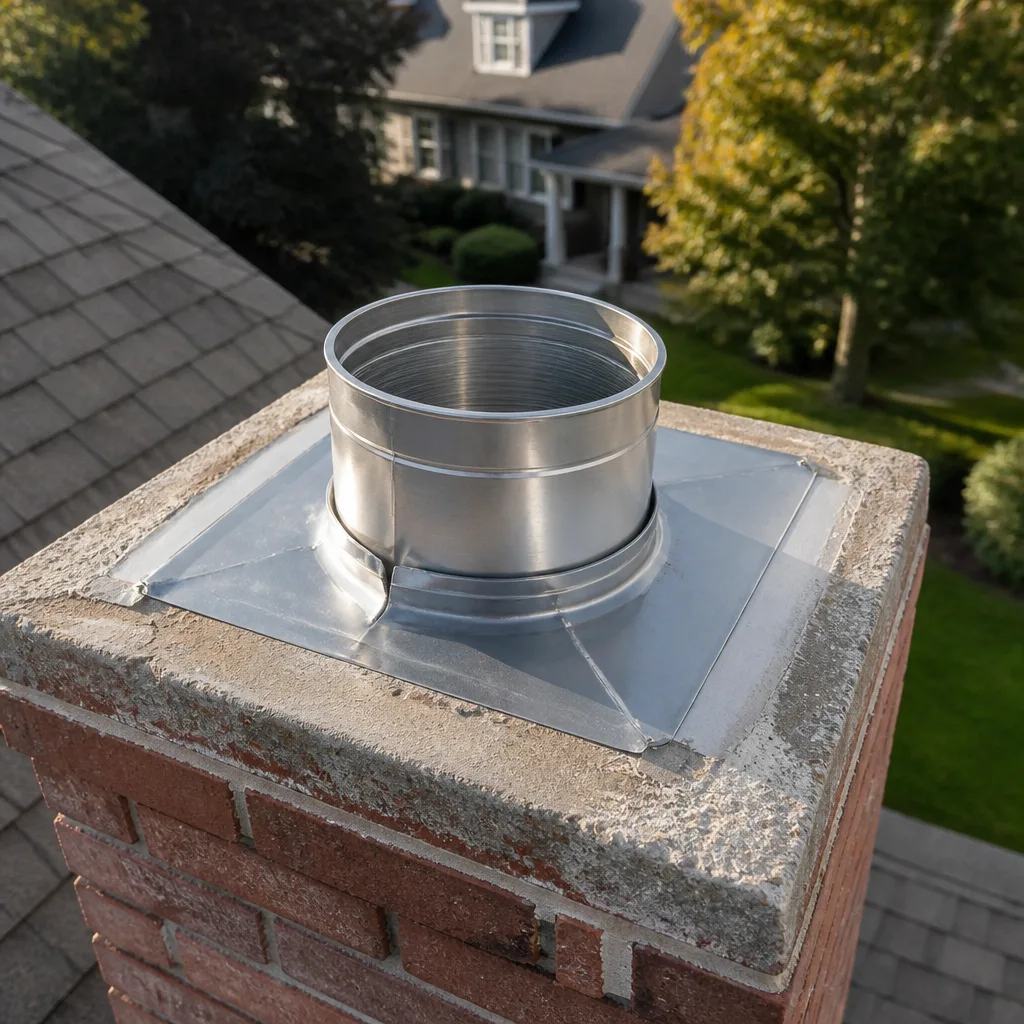
- Talk through options. Sometimes the answer is a HeatShield resurfacing to restore a liner that’s otherwise the right size, which restores the inner diameter without the cost of a full reliner replacement. Sometimes the answer is a DuraFlex reliner in the correct diameter. We work with both, and the choice follows the measurements, not a sales pitch.
The point of a liner is to carry smoke out and keep carbon monoxide out of the house. A liner sizing mismatch is a real safety issue, not a performance preference. Get it looked at.
Water, Crown, and Cap Problems
Water is the single most destructive force on an East Flatbush chimney, and it almost always enters at the top. A cracked crown lets rain wick down between the flue and the chimney walls. A missing cap lets rain drop straight down the flue. A loose cap fastener lets wind-driven rain push sideways into the masonry. Over a couple of winters, that water freezes, expands, and spalls the brick or tile. Freeze-thaw cycles in this part of New York are the mechanism, and they’re not gentle.
What to look for:
- White, powdery staining on the exterior brick. That’s efflorescence, and it’s water coming through.
- Cracks wider than a hairline in the crown. Even narrow cracks open with each freeze.
- Rust streaks on the chimney’s exterior wall. That’s usually the cap or its fasteners failing.
- Water on the firebox floor after a rain with no fire. Cap or crown.
- Rusty damper or rusty grate. Same cause.
- Loose chimney cap that rocks in the wind. That’s a call before the next storm.
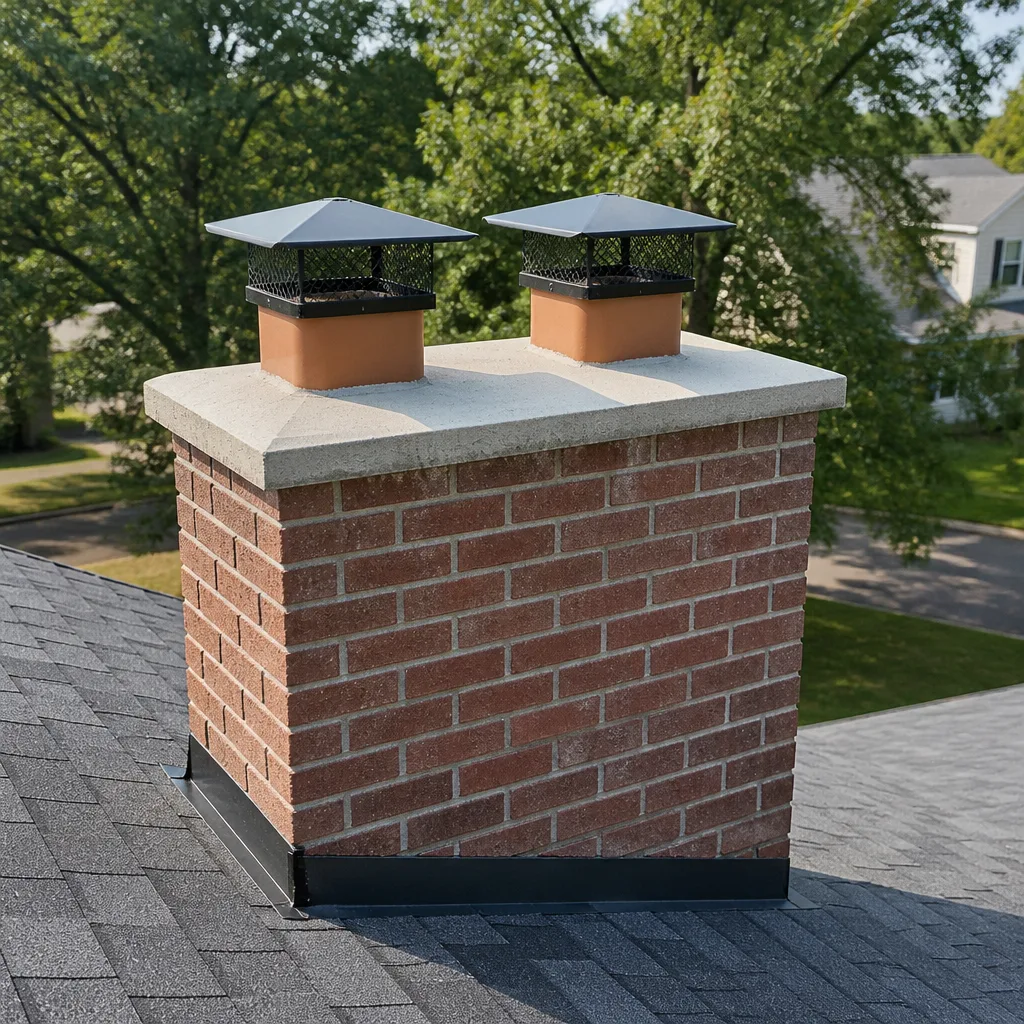
Crown and cap work is a category we handle directly, with Gelco and Famco materials that are made for weatherproofing. That means we address the sizing, the material, and the fit in one visit, and the crown gets the right slope so water leaves it. For an overview of that work, see our chimney cap & crown page.
Common Mistakes to Avoid
- Blaming the damper first. A stuck or warped damper is real, but it’s one cause among five. Check the pressure and the smoke shelf before you replace hardware that was working fine.
- Patching a crown with caulk. Caulk holds for one season and traps water behind it. A proper crown repair corrects the slope and uses mortar that survives freeze-thaw.
- Skipping the flue liner inspection. Cracked tile is invisible from the firebox, and it’s the exact pathway carbon monoxide uses to leave the flue and enter the house.
- Assuming a clear flue means a safe chimney. A flue can be clear and the crown can still be cracked, the cap can still be loose, and the smoke shelf can still be loaded. Zone-by-zone inspection is the check that catches what a brush leaves behind.
- Hiring a sweep-only company for a follow-up problem. Sweep, inspection, cap, crown, and repair all fall inside one scope here, so you don’t have to source a second contractor when the sweep finds something. That’s the reason we run those five services as one call.
- Sealing replacement windows without thinking about combustion air. Weatherization is good for the heating bill and bad for the chimney if you don’t also correct the air supply. Add it to the checklist.
- Using a hardware-store cap on a flue that needs a sized cap. Fit is the whole job. A loose cap does nothing or falls off.
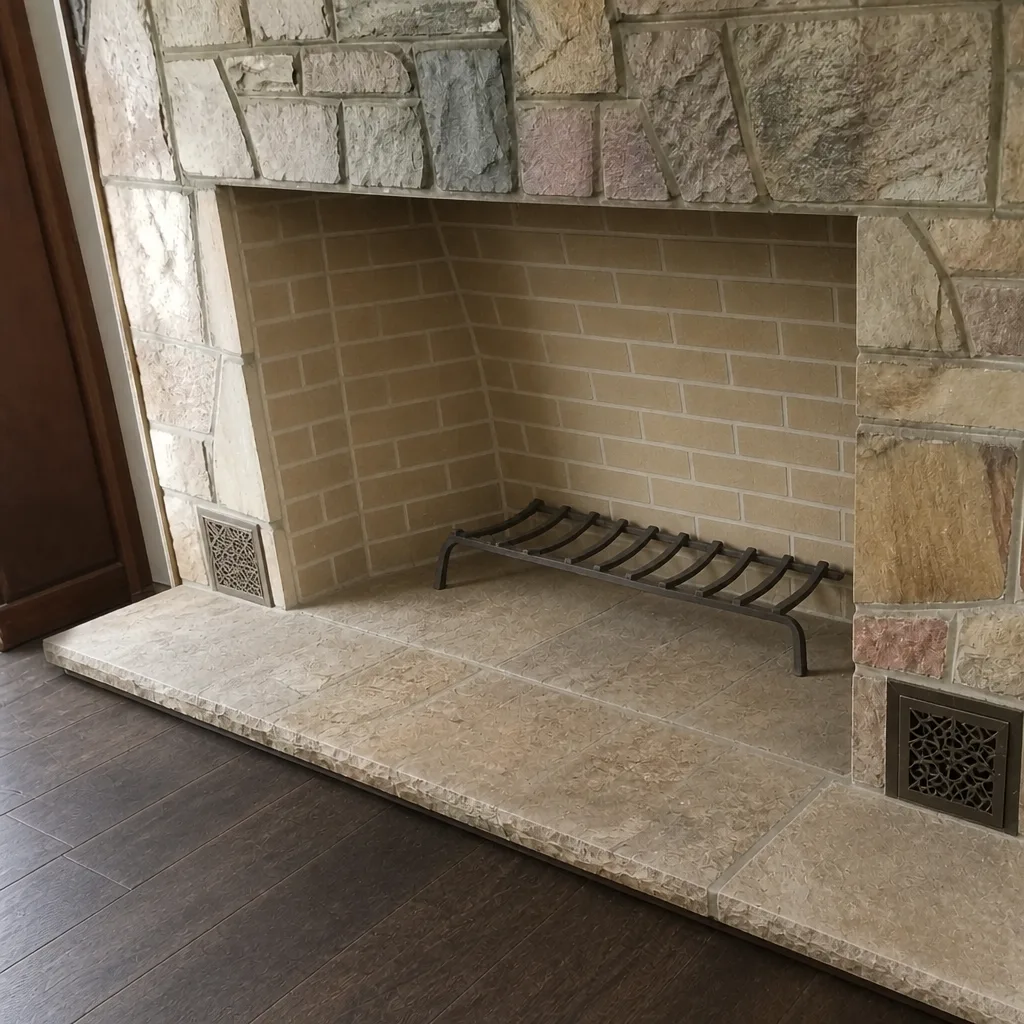
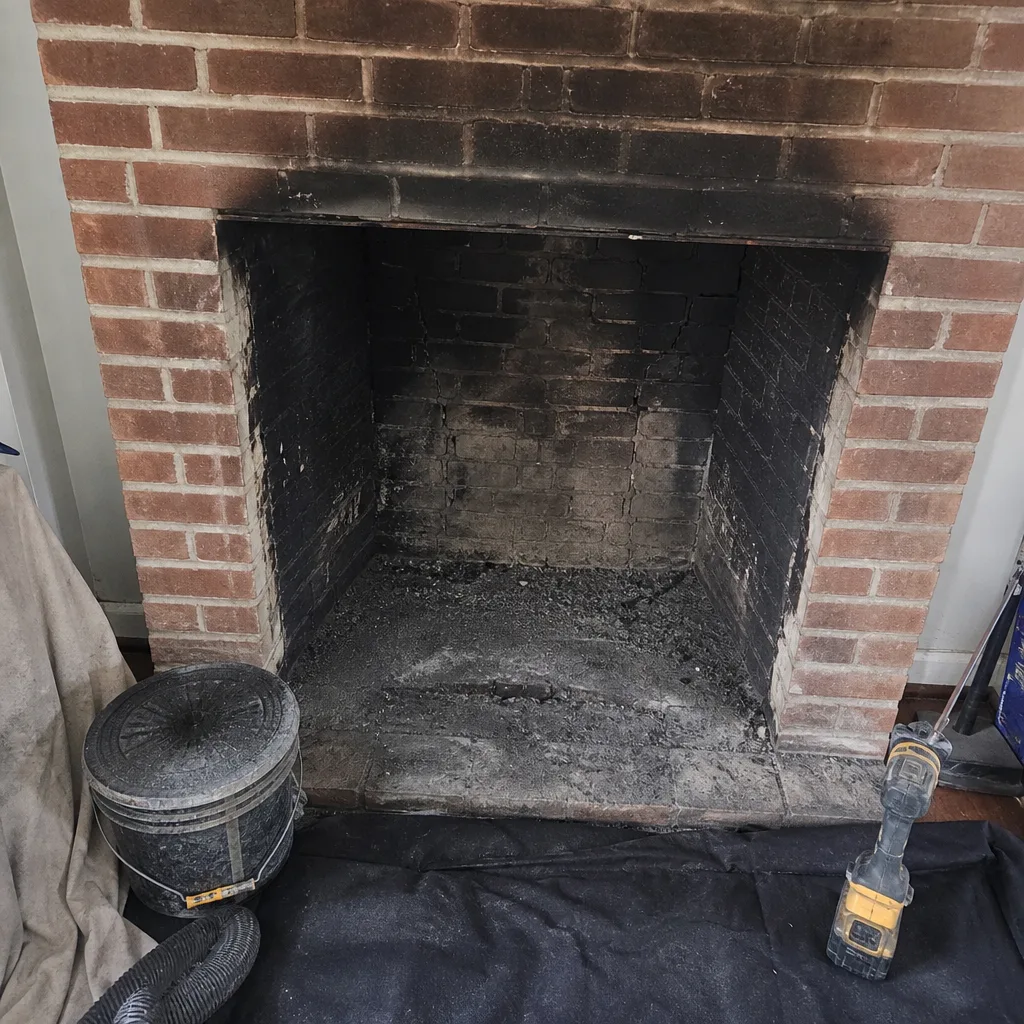
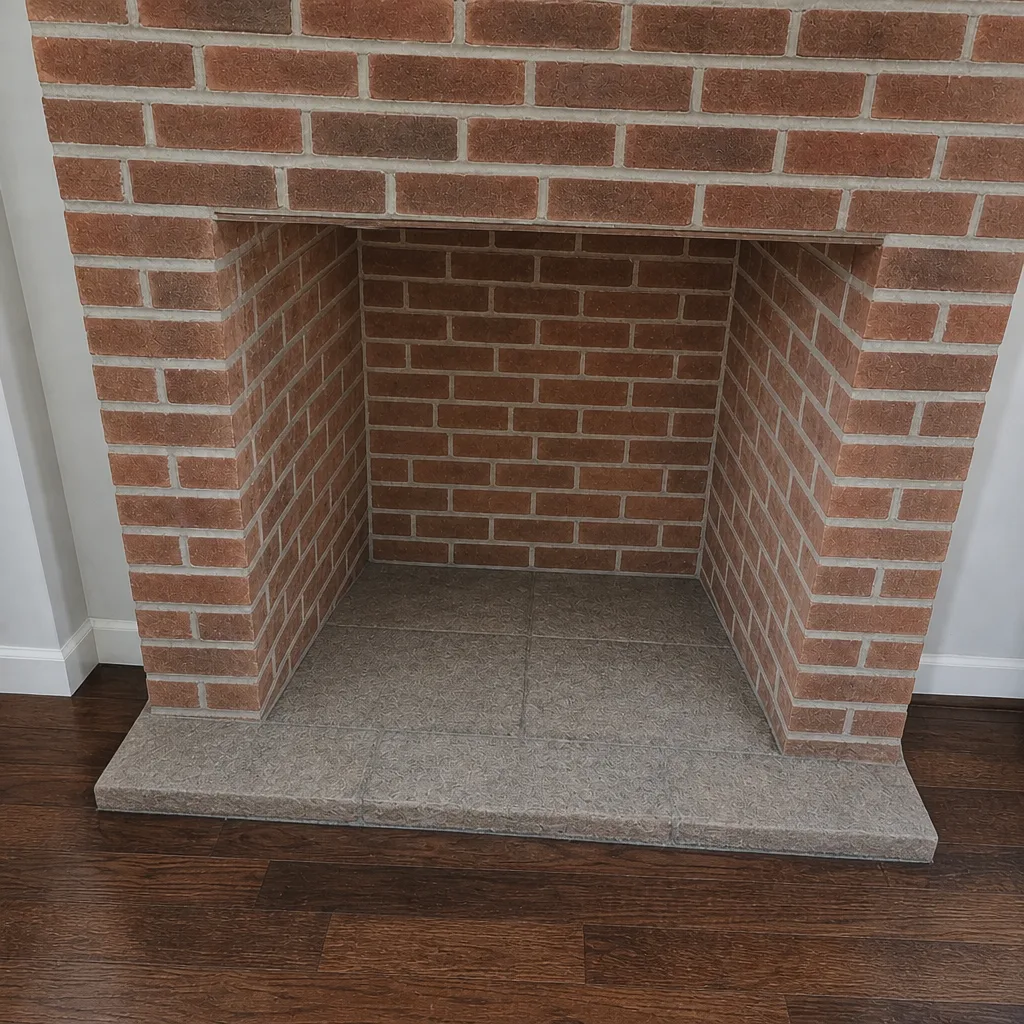
See the difference
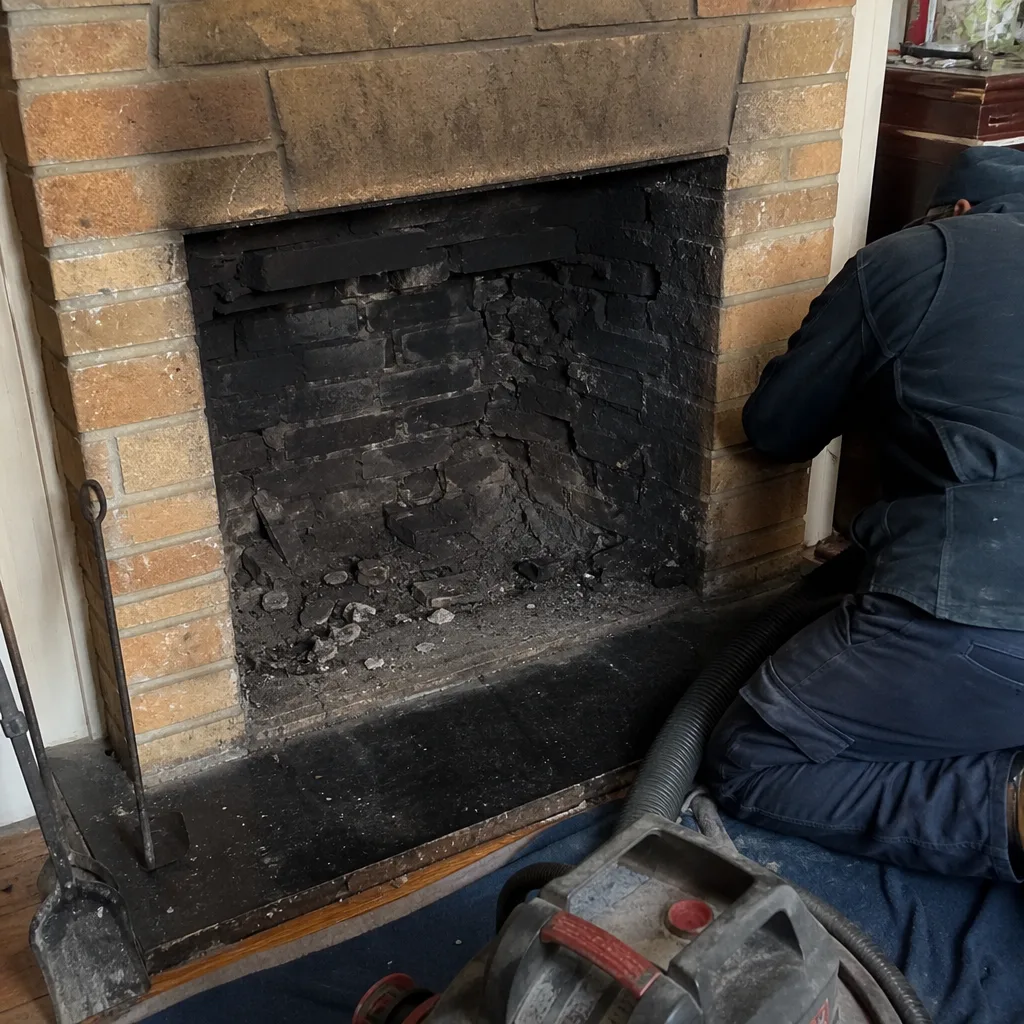 Before
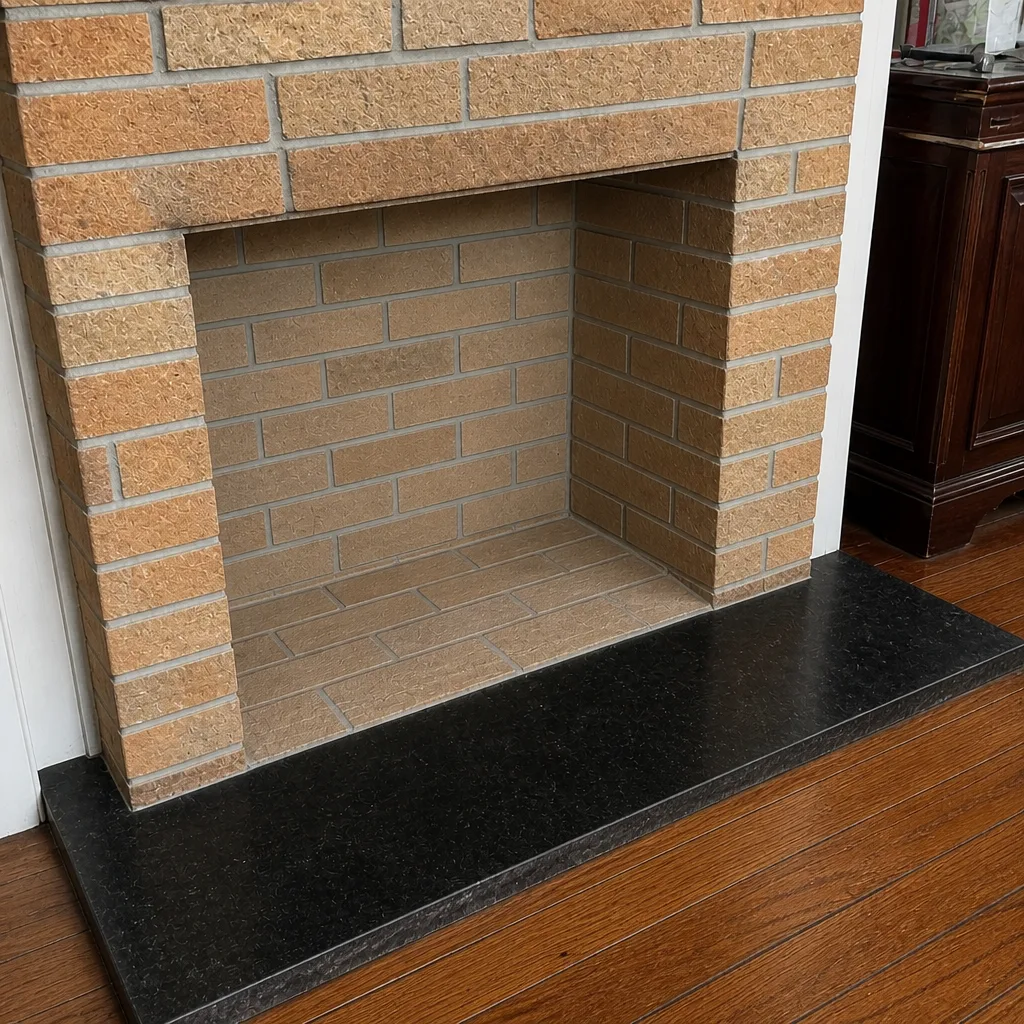 After
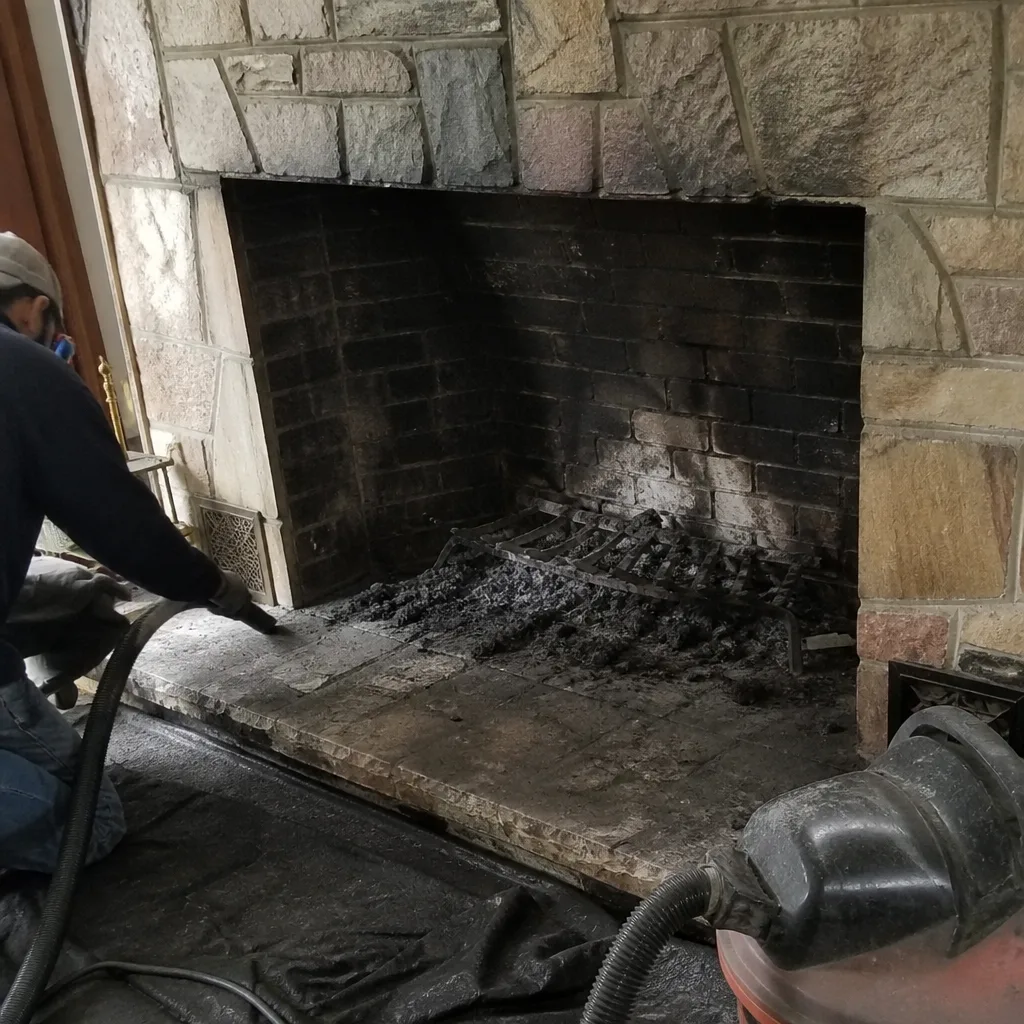 Before
 After
 Before
 After
When to Call a Professional
Call a certified sweep for any of the following, and don’t keep burning in the meantime:
- You see clay tile fragments, soot, or bits of mortar on the firebox floor.
- You smell smoke in the room with no fire burning.
- You see water stains on the ceiling, wall, or firebox interior.
- Your carbon monoxide alarm has activated for any reason.
- Smoke rolls into the room and the damper is open and the flue is clear.
- You’ve noticed a “whump” or “whoosh” while the fire is burning.
- You’ve just moved into a house in East Flatbush and don’t know the chimney’s history.
Chimney Sweep East Flatbush offers free estimates in East Flatbush. Call (844) 932-2112. We answer 24/7. Fast dispatch from 7am to 7pm, Sunday through Friday. We work with the same professional-grade materials certified chimney specialists rely on nationwide, and we tell you exactly what we find and what it means before any work begins.
Frequently Asked Questions
It depends on the scope, but the estimate is free and the written estimate sets the final price, so there’s no surprise on the day of the job. A routine sweep and a standalone inspection are priced separately because they’re different services. Call (844) 932-2112 for an exact quote. We answer 24/7. Fast dispatch from 7am to 7pm, Sunday through Friday.
Not always. A cracked liner can sometimes be restored with HeatShield resurfacing, which extends the liner’s life without the cost of a full reliner replacement. The only way to know which applies is a camera inspection of the flue. We show you the photo and explain what we see before recommending anything. Call (844) 932-2112 for a free estimate.
Once a year is the standard for a wood-burning fireplace in regular use, and twice a year if you burn heavily through the heating season. Have it swept before the first cold snap, not after a problem shows up. Call (844) 932-2112 and we’ll book you in. We answer 24/7. Fast dispatch from 7am to 7pm, Sunday through Friday.
Creosote builds on the flue walls, the smoke shelf loads up, and draft weakens. That increases the risk of a chimney fire and, if the liner has cracked, the risk of carbon monoxide in the house. Skipping one year isn’t a disaster, but skipping several is. Call (844) 932-2112 for a free estimate before you light the next fire.
If the damper opens, the flue is clear, and the chimney still smokes, negative air pressure from a tight, weatherized house is the most common cause in East Flatbush. A certified sweep can measure draft and confirm it. Call (844) 932-2112 for a free estimate.
Some can and some can’t. Water intrusion at the crown or cap can wait until the next dry window if the fireplace isn’t in use, but a cracked liner, spilled tile, or smoke smell in the room cannot. If you’re unsure, book the inspection and we’ll tell you plainly whether it can wait. Call (844) 932-2112 and we answer 24/7.
The Bottom Line
Most chimney problems present as one symptom and live in one of five zones: firebox, smoke shelf, damper, flue liner, or crown and cap. In East Flatbush, the older housing stock and modern weatherization add two patterns to watch for: negative air pressure that starves the firebox, and liner sizing mismatches after an appliance change. The symptom chart above is a starting place, not a diagnosis. A certified sweep measures draft and inspects all five zones, then tells you what needs work and what can safely wait. One call covers the sweep, the inspection, the cap and crown, and the repair, with the same professional-grade materials certified chimney specialists rely on nationwide. If something looks wrong, call before you light the next fire.
Call (844) 932-2112. We answer 24/7. Fast dispatch from 7am to 7pm, Sunday through Friday. The estimate is free, the price is per job by the written estimate, and nothing gets recommended without evidence you can see for yourself.
Written by the team at Chimney Sweep East Flatbush.